Benefits of solar energy to the environment.
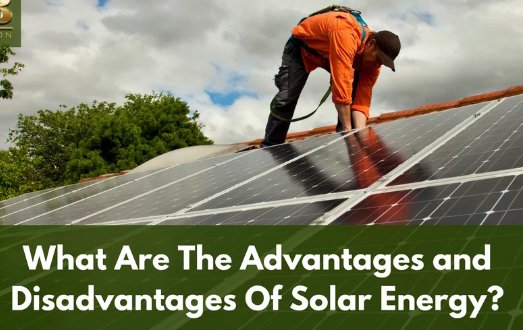
What are the Pros and Cons of using Solar Energy?
In this article, I will explore the pros and cons of using solar energy, shedding light on its potential and limitations.
As environmental concerns are growing by the day, solar energy is often hailed as one of the most promising alternatives to traditional fossil fuels because of several benefits of solar energy to the environment.
Solar energy is derived from the sun’s unlimited power, which is a non-polluting, renewable, and sustainable energy source. But like any energy source, it comes with its own set of advantages and disadvantages.
What are the pros and cons of using solar energy?
The advantages and disadvantages of solar energy have become an often discussed subject because of its potential to become a significant energy source of the future to help address energy costs, harmful emissions that contribute to air pollution, and global warming concerns, associated with fossil fuels. Let us, therefore, look into the pros and cons of using solar energy to shed light on the potential it holds and the challenges it faces.
How does solar energy work in residential settings?
The basic science behind solar energy at home is surprisingly straightforward. When the sun shines on your rooftop solar panels, these panels—equipped with photovoltaic (PV) cells—capture sunlight and convert it into electricity.
First, the solar panels produce direct current (DC) electricity from the sun’s rays. However, most home appliances and gadgets run on alternating current (AC), not DC. This is where the solar inverter steps in, transforming the DC into AC so you can actually power everything from your refrigerator to your laptop.
If you generate more electricity than you use during the day, many systems allow you to send the excess power back to the electrical grid, sometimes even earning you credits from your utility company. At night or on cloudy days, your home draws electricity from the grid as usual. This seamless process is what makes solar energy a practical and increasingly popular choice for residential energy needs.
Pros and Cons of Solar Energy
Here are the pros and cons of solar energy:
Pros of solar energy
1. Renewable and Abundant: One of the most significant advantages of solar energy is its renewability. Unlike fossil fuels, which are finite and depleting, the sun’s energy is inexhaustible. Solar power remains a virtually limitless resource as long as the sun shines.
2. Reduces Electricity Bills: Among the major benefits of going solar is that by switching to solar you can significantly reduce your monthly electricity bills whether you are a homeowner or owner of a small business.
Electricity costs can often form a substantial portion of monthly expenses. By installing a solar panel system, you’ll generate free power for over 25 years (by converting the sun’s energy into electricity using solar panels). This cuts your costs and reduces your dependence on grid power, resulting in substantial long-term savings.
Typical Energy Conversion Efficiency of Solar Panels
While solar energy is an attractive option, it’s important to understand that not all of the sunlight hitting a solar panel is converted into usable electricity. In real-world conditions, most commercially available silicon-based solar panels have an average conversion efficiency ranging from 15% to 22%.
This means that, under optimal sunlight and setup, about one-fifth of the solar energy that reaches the panels is actually transformed into electrical power. High-end models, such as those using monocrystalline technology from brands like SunPower or LG, may reach slightly higher efficiencies, but there are physical and technological limits in play.
Several studies, including research from the Lawrence Berkeley National Laboratory, have shown that homes with solar energy systems typically sell for a premium compared to those without.
(by converting the sun’s energy into electricity using solar panels).
Ongoing research and innovation are steadily improving these numbers, but compared to some other energy generation sources, solar panels are still limited by current material science and conversion technologies.
3. Low Operating Costs: Once installed, ongoing maintenance and operating costs of solar panels are minimal. Solar panel systems typically have a long lifespan, often exceeding 25 years. This longevity, coupled with declining solar panel prices, makes solar energy a cost-effective solution in the long run.
One of the key advantages here is the simplicity of upkeep. Solar panels have no moving parts that wear out over time, so maintaining them is straightforward—just keep them clean and in good physical condition to ensure optimal performance. Many homeowners find that a quick rinse a few times a year is enough, though your solar provider can often handle both installation and maintenance, especially if you choose a solar lease or power purchase agreement (PPA).
It’s worth noting, however, that solar panels do gradually lose efficiency over time. As the years pass, their ability to convert sunlight into electricity slowly decreases—though most panels still operate at high efficiency for decades. When panels eventually reach the end of their useful life, proper disposal and recycling are important to manage environmental impacts. The good news is that solar technology continues to advance rapidly, so while your current system will serve you well, there may be even more efficient models available by the time you consider replacement.
4. Energy Independence: Solar power empowers homeowners and businesses with energy independence. By producing their electricity, they become less reliant on external sources for their power needs. This reduces vulnerability to power outages and fluctuations in energy prices.
On a larger scale, solar farms contribute to broader energy independence for communities and even governments, decreasing reliance on imported fossil fuels. Whether it’s a family avoiding blackouts or a state strengthening its energy security, solar power offers greater control over energy sources and long-term resilience.
5. Environmentally Friendly: Solar energy is a clean environmentally friendly power source that significantly contributes to a greener planet. There are several benefits of solar energy to the environment. Unlike fossil fuels, it doesn’t produce harmful greenhouse gas emissions that contribute to air pollution and climate change. Harnessing solar power helps us reduce our carbon footprint and combat global warming.
Reduced Local Environmental Impact
Solar energy doesn’t just benefit the global environment—it can also reduce impact at the local level. In comparison to traditional power plants, solar installations have a much lower effect on their surroundings. Solar farms, for instance, often allow for dual land use; some sites are used for both energy production and agricultural activities, a practice known as “agrivoltaics.” This synergy can support local ecosystems and communities, making solar energy a more harmonious neighbor than many conventional energy sources.
6. Job Creation: The solar industry is a substantial job creator. Unlike mechanized and capital-intensive fossil fuel technologies, the solar energy industry is more labor-intensive. This is mainly due to the significant installation component of solar systems, which boosts employment opportunities.
7. Potential to Boost Property Value: Can installing solar panels increase a home’s resale value? In many cases, yes—it can. As more buyers value energy efficiency and lower utility costs, homes equipped with solar panels often catch their eye. Several studies, including research from the Lawrence Berkeley National Laboratory, have shown that homes with solar energy systems typically sell for a premium compared to those without. Depending on the region and size of the installation, this added value can be substantial—sometimes up to tens of thousands of dollars.
For homeowners, this means that going solar not only lowers electricity bills while you live in your home, but can also make your property more attractive should you decide to sell in the future.
Ability to Utilize Unusable Land
Another advantage that sometimes flies under the radar: solar panels don’t require prime real estate. In fact, they can be installed on land that might otherwise sit idle or be considered unsuitable for traditional development—think of sun-drenched deserts, former landfills, or even brownfields. Large-scale solar farms have successfully transformed these areas into productive energy hubs. This not only makes smart use of neglected land but can also offer local communities a new source of revenue and clean energy, all without competing with agriculture or urban growth.
Faster Installation Compared to Conventional Power Plants
Another notable advantage of solar energy lies in the relatively swift installation process. Unlike traditional power plants—such as those powered by coal, natural gas, or nuclear fuels—that can take several years (and sometimes even a decade) to build due to complex engineering, long permitting processes, and extensive environmental assessments, solar panel systems can often be up and running in a matter of weeks to several months.
Building a solar farm typically involves less red tape and fewer regulatory challenges. There’s no need for massive cooling towers, high-traffic fuel deliveries, or elaborate safety infrastructure. For homeowners, installing rooftop solar panels can take as little as a couple of days, depending on system size and local permitting. For larger commercial or utility-scale solar projects, the timeline is still significantly shorter than that of their fossil fuel or nuclear counterparts. This accelerated deployment allows communities and businesses to enjoy the benefits of solar energy much sooner, making solar an efficient choice for those seeking timely energy solutions.
Cons of solar energy
1. High Initial Costs: While solar energy offers long-term savings, the initial investment in solar panels and installation can be substantial. Costs may include panels, inverters, batteries (if needed), and installation labour.
Though Government incentives and tax credits help to alleviate these costs, they may not be available in all regions.
How Financing and Leasing Affect Upfront Solar Costs
Worried about the price tag? Fortunately, there are ways to soften the blow of those early expenses. Financing options—like solar leases and power purchase agreements (PPAs)—let homeowners go solar with little or no money down. Instead of paying for the full system up front, you make monthly payments, which can often be less than your typical utility bill.
If you opt for a lease or PPA, the solar provider usually takes care of installation and ongoing maintenance. This not only spreads your costs over time but also shifts the responsibility for repairs and upkeep to the provider. It’s worth noting, however, that buying your system outright (with or without a loan) delivers the greatest long-term savings and adds the most value to your property—though that payoff tends to come after several years.
Whether you choose to buy, finance, or lease, understanding your options can make solar far more accessible, especially if you’re not ready to invest a lump sum right off the bat.
2. Intermittent Energy Source: Perhaps the most significant drawback of solar energy is its intermittency. The generation of electricity by solar panels depends on weather conditions and time of day. Cloudy days, rainy seasons, and nighttime render solar panels less effective necessitating energy storage solutions (like using batteries) or a connection to the grid, which add to the overall cost.
Weather dependence is more than just an inconvenience—it can directly impact performance and maintenance. During periods of heavy cloud cover or storms, solar output drops considerably. In regions prone to extreme weather, such as hailstorms, panels can be damaged, potentially shortening their lifespan and requiring costly repairs. Seasonal changes also play a role; solar panels are typically more productive in sunnier months and less so during winter.
Additionally, snow accumulation can be a real problem. If panels are covered in snow, they simply can’t generate power, and extra maintenance may be required to keep them clear. All of these factors mean that solar energy, while promising, isn’t always a reliable stand-alone solution and often needs to be paired with backup systems or energy storage to meet your home’s needs consistently.
3. Space Requirements: Solar panels require a significant amount of land or rooftop space to generate sufficient power. Not everyone has enough roof space or available land for a solar panel installation that meets their energy needs. This can limit the widespread adoption of solar energy.
Additionally, large-scale solar installations often demand substantial land area, raising concerns about land use and the potential for habitat disruption. In some regions, this has led to conflicts with agricultural activities, as farmland may be converted for solar projects. However, innovative solutions like agrivoltaics—where solar panels are installed above crops—are helping to address some of these land use concerns by allowing agriculture and energy generation to coexist on the same land.
At the same time, solar technology is highly scalable. Installations can range from compact rooftop arrays on homes and businesses to expansive, utility-scale solar farms spanning acres. This flexibility allows solar panels to be adapted to a variety of settings—urban, suburban, or rural—but practical limitations, such as available space and local regulations, can still present challenges for some homeowners and communities.
Roof Compatibility: Is Solar Right for Every Home?
Not every roof is created equal when it comes to harnessing the sun’s power. A few key factors will determine whether your home is a good candidate for solar panels.
1. Orientation and Tilt Matter:
Roofs that face south (in the Northern Hemisphere) and have a moderate tilt capture the most sunlight throughout the day, maximizing your energy production. East- and west-facing roofs can still work, but might yield slightly lower output. Flat roofs are also workable, though installers may need to mount panels on special racks to adjust their angle for optimal sun exposure.
2. Roofing Materials:
The material covering your roof can also influence how easily panels can be installed—and sometimes, how cost-effective the process will be:
- Best suited: Asphalt shingles, standing seam metal roofs, and concrete tiles are among the easiest and most common surfaces for solar installations.
- Require extra work: Slate, clay tiles, and wooden shingles are less straightforward, as their fragility or unique textures can complicate mounting. Specialized hardware and installation techniques are often needed, which can increase labor costs.
3. Structural Considerations:
Regardless of material, your roof’s age and structural integrity matter. If your roof is nearing the end of its life, it’s wise to replace or repair it before adding solar panels. That way, you won’t have to remove and reinstall your panels a few years down the line.
4. Complex Roof Designs:
Roofs with lots of dormers, skylights, chimneys, or unusual shapes can present challenges, reducing the amount of usable space for solar arrays. In these cases, a reputable installer can help assess your layout and propose creative solutions, such as ground-mounted panels if roof space is insufficient.
Ultimately, a professional solar assessment will take all these factors into account—orientation, pitch, material, age, and design complexity. While most homes can accommodate solar in some form, those with south-facing, open, and simple roofs built from common materials stand to benefit the most.
4. Aesthetic Concerns: Some homeowners, who value the visual appeal of their homes, find solar panels unattractive to the visual landscape and worry about their impact on the aesthetics of homes.
5. Energy Storage Challenges: Storing excess energy for night-time or cloudy days can be expensive and requires additional equipment, such as a large stand-by battery bank. The efficiency of energy storage technology is continually improving but still it presents challenges.
The Cost and Evolution of Solar Storage
Historically, the temporary decline in energy production during bad weather has been a major issue for solar adopters. Traditional storage solutions, like lead-acid batteries, have required substantial investment and frequent replacement. However, advances in battery technology are gradually easing these concerns. Newer alternatives such as lithium-ion batteries offer improved efficiency and longer lifespans, while nickel-based batteries are prized for their exceptional durability. Emerging innovations like flow batteries promise scalable and robust energy storage, helping solar users ride out extended periods of low sunlight.
Consistent Technological Advancements
On a positive note, solar technology is far from stagnant. The science behind solar panels and energy storage is ever-evolving, with regular advancements making panels and batteries more efficient and cost-effective over time. As a result, while current storage solutions may present hurdles, ongoing innovation continues to chip away at these obstacles, promising better performance and affordability for future solar adopters.
6. Environmental Impact of Manufacturing Solar Panels and Batteries: While the use of solar energy is a boon for the environment, it’s important to recognize that the manufacturing process behind solar panels and batteries carries its own set of environmental challenges. Producing these components typically requires significant amounts of energy—often sourced from conventional, non-renewable power plants—leading to some greenhouse gas emissions during the manufacturing phase.
Additionally, obtaining the materials needed for panels and batteries, such as silicon, lithium, and various rare earth metals, can have ecological downsides. The mining and refining of these materials may contribute to habitat disruption, water pollution, and increased resource consumption.
It’s also important to recognize the environmental challenges associated with the end of a solar panel’s life. While solar panels are designed to last for decades, they do gradually degrade, with their efficiency decreasing over time. Eventually, they need to be replaced—raising the issue of proper disposal and recycling. The manufacturing and disposal process can involve toxic materials, so responsible recycling practices are crucial to avoid potential harm to ecosystems and communities.
As demand for solar technology continues to rise, advancing cleaner manufacturing techniques and improving recycling of used panels and batteries will be crucial for reducing the overall environmental impact and ensuring that solar energy remains as sustainable as possible.
Grid Integration: Navigating the Technical Hurdles
While solar energy has much to offer, blending it seamlessly with existing electricity grids is no small feat. The root of this challenge lies in solar’s variable output—since the sun doesn’t shine with equal strength all day, and clouds don’t always cooperate, the amount of electricity produced can fluctuate rapidly.
Traditional power grids were built around a steady stream of energy from fossil fuel or nuclear stations, which can ramp output up or down on demand. Solar, on the other hand, feeds power into the grid only when the sun is out, leading to peaks at midday and lulls at night. Managing these fluctuations isn’t as simple as flipping a switch. Utilities often need advanced technologies—like smart grid systems, real-time monitoring, and improved forecasting—to balance supply and demand without risking blackouts or brownouts.
What’s more, updating infrastructure to handle “distributed generation” (think thousands of homes and businesses generating their own solar power) can require significant investment in new hardware and grid upgrades. This includes enhancing substations, adding energy storage solutions, and incorporating communication systems to keep everything running smoothly. As more solar comes online, grid operators will continue adapting—making investments and innovations key to unlocking the full potential of renewable energy.
Solar Renewable Energy Credits (SRECs): An Additional Financial Benefit
If you’re considering solar panels, it’s worth knowing about solar renewable energy credits (SRECs) and how they can add even more value to your investment.
SRECs are certificates that represent each megawatt-hour (MWh) of electricity your solar system generates. Think of them as a reward for producing clean, renewable energy. In many states, utility companies are required by law to obtain a certain portion of their energy from solar power. To meet these requirements, they purchase SRECs from solar panel owners like you.
Essentially, each time your solar panels generate a megawatt-hour of electricity, you earn one SREC. These certificates aren’t just a pat on the back—they have real financial value because electricity suppliers need them to comply with state-level Renewable Portfolio Standards (RPS). That means you can sell your earned SRECs to utilities or third-party buyers, creating an extra income stream in addition to savings on your energy bill.
It’s important to note that the SREC landscape isn’t the same everywhere. Some states—like New Jersey and Pennsylvania—have well-established SREC markets, so homeowners can more easily take advantage of this opportunity. Others, such as Massachusetts, have transitioned from SREC programs to broader solar incentive structures, rewarding solar adoption through different types of performance-based incentives. Before you count your credits, it’s worth checking what programs are available in your area and how SRECs are valued locally.
Here’s how homeowners can benefit:
- Earn Extra Income: By selling your earned SRECs, you can receive an ongoing financial return for each unit of solar electricity you produce. This means that, beyond your reduced energy bills, there’s an additional stream of income.
- Varies by Location: The value and availability of SRECs depend on your state. For example, states like New JersJey and Pennsylvania have well-established SREC markets, making it easier for homeowners to benefit. Other states, such as Massachusetts, have shifted toward direct incentive programs that reward solar production differently.
In short, participating in an SREC program lets you maximize your solar investment by generating clean power and earning money at the same time.
Frequently asked questions
Now that we have known the pros and cons of using solar energy let me address a few often-asked related questions.
What are the advantages of solar energy?
One of the major advantages of solar energy is that, unlike fossil fuels, it doesn’t produce harmful greenhouse gas emissions that contribute to air pollution and climate change. By harnessing solar power, we can significantly reduce our carbon footprint and combat global warming.
What is the disadvantage of solar system?
The main disadvantage of the solar system is the high initial costs of materials and cost of labour for installation. Other disadvantages are, that it needs lots of space and a large stand-by battery bank due to the nonavailability of solar power during nighttime.
In addition, expanding equitable access to solar energy remains an ongoing challenge. Continued innovation in community solar programs, government incentives, and inclusive financing models are key to ensuring that the benefits of solar energy become available to all. Without these efforts, many households may find it difficult to take advantage of solar power, limiting its widespread adoption.
What are the major benefits of solar energy to the environment?
The major benefits of solar energy to the environment are, that it can dramatically reduce greenhouse gas emissions that contribute to air pollution and climate change, significantly reduce our carbon footprint, and combat global warming.
What are alternative Options when you can’t install Solar Panels?
But what if installing solar panels on your own rooftop simply isn’t possible? Don’t worry—there are still ways to benefit from solar energy, even if your home doesn’t get enough sunlight or you lack adequate roof space.
Community Solar Projects:
For those unable to install panels at home, community solar projects (sometimes called “solar gardens”) offer an excellent solution. Major companies like SunShare and Arcadia Power allow you to subscribe to a portion of a local solar farm’s energy production. In return, you receive credits on your utility bill based on your share of the solar power generated. This makes solar energy accessible without the hassles of owning or maintaining a personal system.
Shared or Group Installations:
Similarly, some neighborhoods and apartment complexes organize collective solar installations. By joining forces, residents can install a shared solar array and divide the benefits, reducing costs and overcoming space limitations.
Green Energy Programs from Utilities:
Another practical alternative is choosing a green or renewable energy plan from your electric utility. Many power providers now offer customers the option to source a percentage (or all) of their electricity from solar or wind, letting you support clean energy even if you can’t produce it yourself.
In short, even if rooftop panels aren’t doable, you still have multiple routes to take advantage of solar energy’s benefits.
How do community solar programs work for those unable to invest in personal solar systems?
For many individuals, installing solar panels at home isn’t always a practical option—maybe your roof isn’t suitable, or upfront costs are simply too steep. This is where community solar programs step in as an excellent alternative.
Instead of purchasing and maintaining your own solar system, you can join a local community solar project—often organized by groups such as neighborhood co-ops, municipal initiatives, or trusted providers like Arcadia or Nexamp. Here’s how it works:
- Shared Solar Facilities: These programs allow multiple participants to benefit from a single, large-scale solar array located in your area.
- Subscription or Ownership: You can subscribe to a portion of the solar power generated or, in some setups, purchase a “share” of the project.
- Bill Credits: The electricity produced by your share is fed into the grid. In return, you receive credits on your utility bill for the solar energy produced, reducing your overall electricity costs.
- No On-Site Installation: There’s no need to worry about rooftop space, maintenance, or big upfront expenses—the community project takes care of it all.
Community solar is a smart way to enjoy the financial and environmental benefits of clean energy, especially if traditional solar panels aren’t within reach. It opens the door for renters, condo owners, and others to participate in the solar movement without barriers.
Can I Sell Excess Solar Energy Back to the Grid?
Yes, in many regions, you can sell surplus solar energy generated by your panels back to the electricity grid—a process typically known as “net metering.” With net metering, when your solar panels produce more electricity than you use, the excess energy is sent to the grid, and your utility provider credits you for it. This not only helps offset your own electricity costs but also allows your home to contribute clean energy for others to use.
For instance, in the United States, net metering policies are available in most states, often making solar installations even more attractive by providing financial incentives. However, specific rules, availability, and compensation rates can vary depending on your location and your local utility’s programs.
If you’re considering solar, it’s wise to check what net metering options or similar programs are available in your area. This way, you can maximize the benefit of your solar investment and help promote sustainable energy in your community.
You may also like to read this post: Are solar panels worth it?
Conclusion
On going through the pros and cons of using solar energy explained in the post, it becomes evident that the advantages of solar energy far outweigh its disadvantages.
As technology advances and solar energy becomes more accessible, its role in transitioning to a sustainable and clean energy future will continue to grow. Solar energy is undoubtedly a game-changer in the world of clean energy offering numerous benefits such as renewability, environmental friendliness, and energy independence.
