Geothermal energy advantages and disadvantages.
Pros and Cons of Geothermal Energy
Geothermal energy, a marvel of our natural world, offers a unique blend of advantages and disadvantages that are worth examining. Here in this article, I am going to take a closer look at some of the major pros and cons of geothermal energy.
Geothermal energy, derived from the Earth’s core, presents a compelling case as a sustainable and eco-friendly energy source. It is considered to be a key element in future energy supply based on renewable sources. Due to several advantages of geothermal energy this energy source has become one of the most talked about and promising alternative energy sources. I have come across many people wanting to know about the basic geothermal energy facts and geothermal energy benefits and drawbacks. Therefore, before we dive into the major geothermal energy advantages and disadvantages, let’s start by understanding what geothermal energy is and how does geothermal energy work.
What is Geothermal Energy?
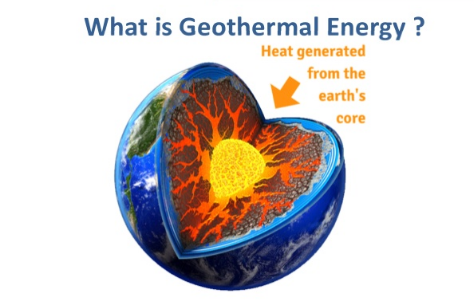
Geothermal energy is defined as, the energy that emanates from the heat in the core of the earth. ‘Geothermal’ literally means ‘Earth’s heat, which is estimated to be 5,500 degrees centigrade at the Earth’s core – about as hot as the surface of the sun. Geothermal energy is a clean, renewable resource, harnessable in regions with favorable geological conditions.
How does geothermal energy work?
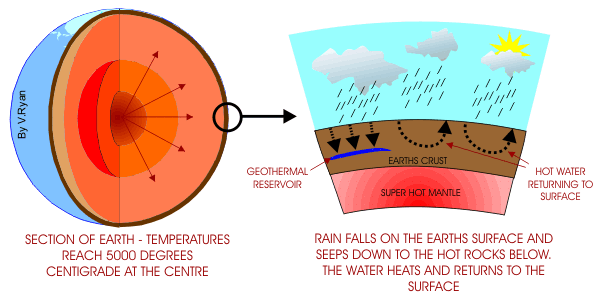
The earth’s core which lies almost 4,000 miles beneath its surface is so hot that it boasts molten temperatures. The heat from the earth’s core radiates outwards and heats up the outer layers of rock called the ‘mantle’. When rocks in the Earth’s crust and upper mantle reach extremely high temperatures, they become molten rock, known as ‘Magma’. The temperature of magma usually falls somewhere between 700 and 1300 degrees Celsius. Magma (molten rock) may sometimes come quite close to the surface of the earth transferring heat to groundwater trapped in porous rocks or water flowing along fractured rock surfaces and fault lines. This interaction beneath the Earth’s surface creates a usable form of geothermal energy.
Some of this super-heated water eventually rises to the Earth’s surface, manifesting as hot springs, geysers, and steam vents. Sometimes the hot water becomes trapped below the surface as a geothermal reservoir. By drilling boreholes into these geothermal reservoirs the hot water and steam are piped up which can then be used directly to heat our homes, generating electricity, and more. Various countries have developed diverse methods to tap into these geothermal energy sources.
What is Enhanced Geothermal Systems (EGS) Technology and How Does It Work?
In recent years, the world of geothermal energy has seen a noteworthy leap forward thanks to Enhanced Geothermal Systems (EGS) technology. Traditionally, geothermal energy has been harvested from naturally occurring hydrothermal reservoirs—underground pockets where heat, water, and porous rock all come together to make energy extraction relatively straightforward. However, in many locations, these perfect conditions simply don’t exist close to the surface, making it tricky to tap into geothermal’s full potential.
Enter EGS. With Enhanced Geothermal Systems, engineers can essentially create geothermal reservoirs where nature hasn’t provided them. The process involves drilling deep beneath the Earth’s surface to reach hot, dry rock formations. Then, using high-pressure water, they fracture the rock to engineer a network of open channels—a bit like crafting man-made underground plumbing. These new pathways allow water to circulate, absorb heat from the Earth, and then rise back toward the surface as steam or hot water. This steam can then be used just like in traditional geothermal plants: to drive turbines and produce electricity, or to supply direct heating.
What sets EGS apart is its ability to access deeper hydrothermal reservoirs—those found much farther below ground, where heat is abundant but natural water and permeability are lacking. Normally, the deeper the reservoir, the less heat and steam make it to the surface on their own. By fracturing the rocks and creating more open flow channels, EGS allows for the extraction of geothermal energy from these deeper, otherwise inaccessible locations.
The beauty of EGS is that it vastly expands the locations where geothermal energy can be harnessed, moving beyond regions with rare, naturally occurring reservoirs. With this technology, countries without easy access to traditional geothermal hotspots—think Iceland or New Zealand—now have the potential to unlock the Earth’s natural heat for sustainable power and heating.
As research, development, and new projects continue to flood into the geothermal sector, EGS stands out as a game-changing innovation—making geothermal energy more accessible, efficient, and practical for a wider range of applications and geographies.
Why Are Earthquake Risks Higher with Enhanced Geothermal Systems?
As promising as Enhanced Geothermal Systems (EGS) are, it’s worth noting that they come with a particular caveat: a greater likelihood of induced seismicity, or in simpler terms, minor earthquakes. Why is that?
The process of EGS involves injecting high-pressure water deep into the Earth to fracture hot, dry rocks and create new pathways for heat to flow. While this is great for energy extraction, it does mean we’re actively tinkering with underground rock structures. This injection process can cause shifts along existing faults or fractures, releasing built-up stress and, occasionally, causing small tremors near the project site.
This phenomenon isn’t unique to geothermal energy—it’s similar to what’s observed with deep oil and gas activities, or even large-scale hydroelectric dam projects. However, with EGS, because we are intentionally fracturing rocks to increase permeability, the risk of triggering these seismic events naturally rises.
That said, most of these induced earthquakes are too faint to be felt by people on the surface. Developers and scientists closely monitor seismic activity around EGS projects and are continually improving their methods to minimize risks. It’s a balancing act: accessing more geothermal energy means accepting a bit of geological excitement now and then.
The Pros and cons of geothermal energy
While there are many pros of geothermal energy, either directly or indirectly, it also comes with its share of disadvantages.
Below is a short overview of some of the most important pros and cons of geothermal energy. The pros of geothermal energy listed below are based on the utilization of the energy source in two main ways – for generating Electricity and for heating and cooling purposes.
It would be evident from the list of geothermal advantages and disadvantages given below, that the advantages of geothermal energy greatly outweigh its disadvantages, especially when compared with fossil fuels.
Pros of geothermal energy
Eco Friendly
One of the most compelling advantages of geothermal energy is its minimal environmental impact. Unlike fossil fuel alternatives such as coal, oil, and gas, most geothermal systems release only water vapor, with minor emissions of sulfur dioxide, nitrous oxides, and particulates. Geothermal power plants have a negligible carbon footprint, making them nearly 100% emission-free.
However, there are a few polluting aspects of geothermal energy which are mentioned below but they are minor compared to the pollution associated with coal power and fossil fuels.
How Do Geothermal Plants Minimize Harmful Gas Emissions?
So, how do modern geothermal power plants keep emissions in check? The answer lies in clever engineering and responsible design. Many facilities now employ advanced control systems—like gas removal units or reinjection wells—that capture or re-route trace gases (think hydrogen sulfide or carbon dioxide) deep back underground instead of letting them escape into the atmosphere.
By reinjecting fluids and gases, geothermal operations can dramatically reduce their environmental footprint. It’s a bit like recycling, but on a high-temperature, subterranean scale. In some cases, scrubbers and filters are also used to clean exhaust streams, ensuring that what little makes it out is well below regulatory limits. The result: geothermal power plants are able to provide clean energy with emissions so low, they’re nearly invisible on the pollution radar.
Renewable Energy source
Another major advantage of geothermal in the list of geothermal energy advantages and disadvantages is that it is a sustainable and renewable energy resource as long as the Earth exists. Now, why is geothermal energy considered a renewable resource?
The Earth is continuously radiating heat out from its core. The constant flow of heat from the earth’s core ensures an inexhaustible and essentially limitless supply of energy for billions of years to come. Once the hot water or steam, trapped below the surface of the earth in the geothermal reservoirs is utilized, it can be reinjected into the ground. This renewable nature sets geothermal energy apart from conventional sources like coal and fossil fuels, which will eventually deplete.
However, to maintain the long-term sustainability of geothermal energy, it’s important to manage the resource carefully. Fluid needs to be pumped back into the underground reservoirs at a rate that matches or exceeds the rate at which it is extracted. This responsible reinjection process helps preserve the underground heat reservoir, ensuring a continuous and balanced supply of geothermal energy for generations to come.
Stable and Predictable supply
Unlike solar and wind power geothermal power is a reliable source of supply as it is available all year long and we can predict the power output of a geothermal plant with remarkable accuracy. Geothermal power plants can operate at near-maximum capacity for 365 days a year, providing a reliable energy supply.
Solar panels can only produce electricity during the day and wind turbines only produce power when there is enough wind. But one of the major advantages of geothermal energy is that it can constantly produce electricity and the energy supply is non-fluctuating. The benefit of constant supply makes geothermal-based power plants excellent for meeting the base-load energy demand.
Direct Usage
Geothermal energy systems are adaptable to many different conditions. Apart from generating electricity, the hot water from geothermal reservoirs can be directly used for heating or cooling homes and businesses efficiently, to grow crops, dehydrate foods, warm fish ponds, melt ice on roads and sidewalks, or for other multiple purposes. The direct use of geothermal energy can be done by the usage of geothermal springs for the purpose of heating, and melting sidewalks during winter. Today geothermal heat pumps are used in about 45 states in the US and around the world, to heat and cool homes, buildings, and businesses.
This direct use of geothermal energy offers flexibility and efficiency and is one of the major advantages in the list of geothermal advantages and disadvantages.
Lesser land requirement
Another major pros of geothermal energy is that the land required to build a geothermal facility is much less compared to all the power-generating technologies in use today. A geothermal power plant needs about 1.4 square miles of land to produce one GigaWatt of electrical power while coal facilities require 12 square miles of land and wind farms need 4.6 square miles to yield the same amount of power.
Cost-effective
Electricity generated by geothermal plants is considered to be one of the most cost-effective sources available today. While initial construction costs, including exploration and well drilling, are substantial, ongoing operational costs are remarkably low. Geothermal power stations do not require fuel for power generation, resulting in energy that is up to 80% cheaper than conventional fossil fuel plants. This is one of the major pros in the list of pros and cons of geothermal power. Homeowners typically achieve energy savings of up to 25% to 50% over conventional systems of cooling and heating by using geothermal energy.
Job Creation Opportunities
The geothermal energy industry also brings with it the benefit of job creation. As geothermal development continues to expand—both in the United States and around the world—the demand for skilled workers increases across various fields. From geologists and drilling technicians to engineers, construction crews, and plant operators, numerous roles are required to build and operate geothermal facilities.
As investments rise and projects scale up, new opportunities emerge not only in plant construction and maintenance, but in research, environmental monitoring, and local supply chains supporting these developments. According to data from the International Renewable Energy Agency (IRENA), employment in the geothermal sector has grown steadily over recent years, underlining the industry’s potential to support local economies and create high-quality jobs alongside the transition to cleaner energy sources.
Huge potential
The huge potential of geothermal energy is also one of the major pros in the list of geothermal energy pros and cons.
Geothermal energy’s potential is enormous and continues to grow globally. As of January 2016, the global market of geothermal power is at about 13,300 MW of operating capacity spread across 24 countries, and based on current data, the global geothermal industry is expected to reach more than 20,000 MW by next 5 to 7 years. Despite geographical limitations and initial costs, geothermal energy holds substantial promise as a future primary energy source. A recent study by the Geothermal Energy Association (GEA) estimated that just 6.5% of global geothermal energy potential, has been tapped so far.
You may also like to read this related post: Geothermal cooling – how does geothermal cooling work
Energy Independence
Geothermal energy plays a key role in promoting energy independence. Since it relies on heat naturally generated beneath the earth’s surface, geothermal energy can be produced locally without relying on imported fuels. This reduces dependence on foreign oil, natural gas, or coal, helping countries like the United States secure their own long-term energy needs using domestic resources.
By tapping into its own geothermal reservoirs, a nation can strengthen its energy security and buffer itself from global market fluctuations or supply disruptions. This self-sufficient approach not only supports economic stability but also gives governments and communities greater control over their energy future.
Cons of geothermal energy
High upfront cost
The biggest of disadvantages of geothermal energy in the list of geothermal energy advantages and disadvantages is its high initial costs. Significant expenses are incurred in surveying suitable locations and drilling geothermal resources. Geothermal power plant construction and well drilling currently cost about $2-5 million per MW of electricity generated.
To put this in perspective, recent analyses show that the upfront cost to build a geothermal energy plant is typically between $4,000 and $6,000 per kilowatt-hour (kWh). This makes geothermal much pricier at the outset compared to other renewables—utility-scale solar tops out at around $1,250/kWh, and wind at about $1,550/kWh. Even when compared to efficient combined-cycle gas plants, geothermal can be four to six times as expensive initially.
Much of this high upfront investment is due to the complexity and expense of drilling deep into the earth to access geothermal reservoirs, as well as the need for detailed surveys to identify suitable sites. While operational costs remain low after construction, the barrier of entry for new geothermal projects remains significant due to these early financial demands.
While geothermal plants benefit from extremely low operational costs—since they don’t require fuel—most of the financial burden is front-loaded. The cost of deploying a geothermal facility is heavily concentrated in the early stages, primarily due to the complexity and expense of drilling deep into the earth to reach geothermal reservoirs. For context, the upfront cost to build a geothermal energy plant typically ranges between $4,000 and $6,000 per kilowatt-hour (kWh), which is substantially higher than utility-scale solar (maxing out around $1,250/kWh) or wind power (up to $1,550/kWh). In comparison, even combined-cycle gas plants are often four to six times less expensive initially. This high barrier to entry means that geothermal projects require significant investment and careful site selection before any actual power production begins.
Geothermal energy is currently being harnessed in a small number of countries of the world. The main reason for this is that geothermal power plants are currently economically viable primarily in areas near tectonic plate boundaries. However, the recent technological advances should significantly expand the range of viable geothermal resources in years to come.
Potential Cost Savings Through Repurposing Decommissioned Oil Wells
A promising strategy to tackle the steep upfront costs of geothermal projects is the repurposing of decommissioned oil wells. Because these wells have already undergone the expensive and complex process of deep drilling, utilizing them for geothermal development can significantly cut new drilling expenses—a major chunk of any geothermal project’s budget.
By tapping into existing infrastructure, developers can sidestep much of the initial groundwork, reducing the financial and logistical barriers typically associated with getting a new geothermal plant off the ground. Not only does this approach help lower capital costs, but it also supports the efficient use of resources by extending the useful life of wells that would otherwise be sealed and abandoned.
This innovative reuse of former oil wells is just one example of how the geothermal sector is identifying clever ways to make clean power more accessible and cost-effective.
Rapid Evolution of Geothermal Technology
It’s also worth noting that the geothermal industry is evolving at a rapid pace. Intensive exploration and research are driving the development of innovative technologies aimed at making geothermal energy more accessible and cost-effective. From new drilling techniques to the exploration of enhanced geothermal systems (EGS), these advancements promise to address many of the current limitations—such as high initial costs and restricted geographic viability. As these technologies mature, we can expect geothermal energy to become a more widespread and competitive option in the global energy mix.
Expanding Potential Through Innovation
There is a great deal of exploration into geothermal energy at the moment, with an increasing number of projects aimed at advancing this area of the industry. Ongoing research and new technologies are being developed to improve the energy extraction process, making previously inaccessible or uneconomical sites more feasible for development. As innovation continues, the number of exploitable geothermal resources is expected to grow, gradually mitigating some of the current challenges facing the industry. This rapid evolution means that, in the coming years, geothermal power could become a more widespread and accessible renewable energy source, not just limited to regions along tectonic boundaries.
Location-specific Source
Another major drawback of geothermal energy production is that you just can’t set up a geothermal power station anywhere you want. It requires specific geological conditions. This energy source is only suitable for regions with hot rocks beneath the Earth’s surface, capable of producing hot water and steam consistently. Rock strength also matters a lot because some rocks are too strong to drill through. These rocks must also occur at reasonable depths to make drilling down to them a feasible option. A suitable location for drilling should be positioned near an area with adequate water availability since geothermal energy extraction demands a substantial water supply.
Limited Scalability of Geothermal Energy
One important hurdle for the broader adoption of geothermal energy is its relatively limited scalability. Unlike solar panels or wind turbines, which can be installed virtually anywhere with sunshine or breezes, geothermal power generation is confined to locations with the right combination of underground heat, suitable rock formations, and water availability. Even where the geology cooperates, not all sites are capable of producing large enough amounts of energy to support significant expansion or grid-scale deployment.
This geographical constraint makes it challenging to scale geothermal energy generation to the same level as solar or wind power, both of which can be distributed widely across different landscapes and climates. As a result, until new drilling methods or enhanced geothermal systems are more widely proven and commercially viable, geothermal power remains a regional solution rather than a universally deployable resource.
Possibility of Local Depletion
Although geothermal energy is considered a sustainable and renewable energy source and the geothermal sites are capable of providing heat for many decades, eventually specific locations may get out of steam as a result of low temperature or due to over-hydration which is injected to cool off the rocks, rendering the site incapable of generating sufficient energy. This is one of the major cons of geothermal in the list of pros and cons of geothermal Energy. Extensive initial research is, therefore, needed for selecting the proper site before setting up the geothermal plant to avoid such local depletion of geothermal resources.
Sustainability and Resource Management
The long-term sustainability of geothermal energy depends heavily on how well the reservoirs are managed. In order to maintain consistent energy output, fluid needs to be pumped back into the underground reservoirs at a rate equal to or greater than the rate at which it is depleted. This reinjection process helps maintain underground pressure and temperature, ensuring the reservoir remains viable for as long as possible. Without proper management practices, even the most promising geothermal fields can be exhausted prematurely, making ongoing monitoring and careful resource management essential for the continued success of any geothermal project.
Environmental Concerns
Another downside of this energy source in the list of geothermal energy pros and cons is that the geothermal plants can release small amounts of greenhouse gases such as hydrogen sulfide and carbon dioxide. Additionally, the water in the underground reservoirs may also contain traces of toxic elements like arsenic, mercury, and selenium, which can potentially impact water sources if the geothermal system is not adequately insulated.
Impact on Land Stability and Earthquakes
Geothermal energy projects, while offering clean energy, can sometimes cause surface instability or even trigger small earthquakes. This happens primarily during the drilling process, where deep wells are bored into the earth to access hot water and steam trapped in rock layers. The extraction and injection of fluids can alter underground pressure and disrupt existing fault lines beneath the surface.
Additionally, as geothermal reservoirs are tapped over long periods, the gradual removal of fluids may cause the ground above to sink—a process known as land subsidence. Although such events are usually minor, they underscore the importance of careful geological assessment and ongoing monitoring at every geothermal site to minimize risks and maintain environmental safety.
Noise and Visual Impact
Constructing geothermal power plants isn’t exactly a quiet affair. The drilling and building phases can generate significant noise, which has the potential to disturb residents and wildlife in the immediate vicinity. Depending on the scale of the project and proximity to local communities, these sounds may be a temporary, yet notable, inconvenience.
Visually, geothermal infrastructure introduces new structures such as drilling rigs, wellheads, and pipelines to the landscape. While the operational footprint of these plants is typically smaller compared to other energy facilities, the initial stages can alter the natural scenery and may be seen as an eyesore to some. Once construction concludes, and with thoughtful site restoration, the visual impact often diminishes over time, but it remains an aspect to consider during the planning and development stages.
Land-Use Conflicts and Competing Interests
Are there potential conflicts over land use in areas with geothermal resources? Absolutely—and they can be a significant challenge for developers and local communities alike.
Regions known for rich geothermal potential are often prized for reasons that go far beyond their underground energy reserves. Many geothermal hotspots are located in places valued for their scenic beauty, recreational opportunities, or even historical and cultural significance. For example, places like Yellowstone National Park or Hot Springs National Park are not just geologically active—they are also protected landmarks and beloved tourist destinations.
This overlap in land value can sometimes lead to resource usage conflicts. The push to harness geothermal energy must be carefully balanced with the need to preserve natural landscapes, protect wildlife habitats, and respect archaeological or culturally sensitive sites. Environmental organizations, such as the Sierra Club, highlight the importance of thoughtful planning, zoning, and stakeholder engagement to ensure that developing geothermal resources doesn’t come at the expense of irreplaceable environmental or social assets.
In summary, choosing locations for geothermal energy projects requires a careful assessment of not only geological suitability but also social, environmental, and cultural considerations, to avoid or mitigate potential land-use conflicts.
Influence of Public Awareness on Geothermal Development
A lesser-discussed hurdle in the advancement of geothermal energy is the general lack of public awareness and understanding about this technology. Unlike solar panels on rooftops or wind turbines dotting the landscape—both of which are highly visible and frequently discussed—geothermal remains largely under the radar for most people. Many are simply unfamiliar with how geothermal systems work, their environmental benefits, or their potential for reliable clean energy.
This limited awareness can slow the growth of geothermal projects in several ways:
- Policy and Funding Challenges: Public support is often crucial for shaping energy policy, securing government funding, and incentivizing research and development. When the general population isn’t well-informed about geothermal’s advantages and needs, policymakers may be less inclined to prioritize its development.
- Reduced Investment: Investors are typically drawn to energy solutions with high visibility, strong demand, and a compelling public narrative. Geothermal energy, lacking widespread recognition, can miss out on both private investment and venture capital.
- Community Acceptance: For new geothermal facilities to be built, especially near populated areas, public buy-in is essential. Communities may be hesitant to support projects they don’t fully understand, or they may harbor unfounded concerns about environmental or safety risks.
Boosting public education and outreach—through school programs, media coverage, or showcasing successful projects like Iceland’s national grid—can play a key role in unlocking geothermal’s potential and encouraging responsible expansion of this renewable resource.
Frequently asked questions
Before I conclude let me also address some of the questions often asked by people related to pros and cons of geothermal energy.
What are the major negative effects of geothermal energy?
Air and water pollution are two leading environmental issues associated with geothermal energy technology. Other concerns are the safe disposal of hazardous waste, land subsidence, and requirement of a large amount of water by geothermal power plants for cooling or other purposes.
In particular, the drilling and deep fluid injection processes used to access geothermal resources can sometimes introduce dissolved solids and toxic elements into local water supplies and surrounding ecosystems. These substances may include sulfur, chlorides, silica compounds, vanadium, arsenic, mercury, nickel, and other heavy metals. If not properly managed, such contamination poses risks to both environmental and human health, highlighting the importance of robust monitoring and effective waste management strategies at every geothermal site.
What are the main uses of geothermal energy?
Geothermal energy can be used in different ways depending on the resource and technology chosen. 3 main uses of geothermal energy are heating and cooling buildings through geothermal heat pumps, generating electricity through geothermal power plants, and heating structures through its direct-use aplications.
While geothermal power plants are often associated with harnessing intense underground heat to generate electricity, it’s worth noting that geothermal energy isn’t just for large-scale operations. One of the most efficient and widespread uses is actually found much closer to home—with geothermal heat pumps installed in residential and commercial buildings. Unlike power plants that require high-temperature resources, geothermal heat pumps utilize low-temperature geothermal reservoirs that are accessible just about everywhere. This makes them a practical option for year-round comfort, providing both heating and cooling by tapping into the steady temperatures beneath the earth’s surface.
Whether it’s warming your home, generating clean electricity, or supporting direct-use heating, geothermal energy offers a versatile set of solutions for a range of needs.
Is geothermal energy safe?
Geothermal energy is safe when extracted from the right location and properly used. Geothermal energy, or “earth heat”, can be used as hot springs for warmth and cleansing.
How long can geothermal energy last?
Geothermal heat pumps last significantly longer than conventional equipment. They typically last around 25 years.
Longevity of Geothermal Systems
When it comes to durability, geothermal energy systems stand out among other renewable options. Typically, the heat pump component will serve you faithfully for about 20–25 years—noticeably longer than many standard heating and cooling systems. Even more impressive is the underground piping, which can remain functional for 40–50 years, or sometimes even longer, given proper installation and maintenance. This extended lifespan is one of the reasons geothermal remains such an appealing choice for both homeowners and large-scale facilities alike.
How Geothermal Longevity Compares
To put this impressive lifespan in perspective, geothermal systems are in the same league—or better—than other common energy sources:
- Photovoltaic solar panels tend to last about 30–35 years.
- Wind turbines typically operate efficiently for around 30 years.
- Coal power plants have a broader range, functioning for 10–40 years, depending on maintenance and usage.
While geothermal systems may come with higher upfront costs, their durability and the ability to generate energy at consistently low operating expenses make them a compelling long-term investment. In other words, geothermal isn’t just tough—it’s tough on your energy bills in all the right ways.
You might also like to read this related post: Is Geothermal Energy renewable or nonrenewable?
Conclusion
Upon careful examination of the pros and cons of geothermal energy described in the post it becomes evident that this energy source offers remarkable advantages over extremely polluting and unsustainable fossil fuels. But it also suffers from a few disadvantages mentioned above, which is why it is not being utilized everywhere to its full capability.
While it may not be feasible everywhere, taking given examples of major countries like the US, Philippines, Indonesia, Mexico, New Zealand, Italy, Iceland, Kenya, and Japan, which have had great success with this source of energy, one can highly recommend putting more focus on harnessing this Earth-friendly resource in a safe and cost-effective manner.
However, it’s important to recognize that geothermal power plants can’t simply be built anywhere. For most large-scale geothermal plants, geothermal reservoirs with temperatures above 100°C are required. These high-temperature reservoirs are typically found in specific locations—usually near tectonic plate boundaries or geological hot spots. For instance, the vast majority of U.S. geothermal power plants are located in California, thanks to its proximity to active fault zones along the Pacific “Ring of Fire”. In many other regions, while lower-temperature geothermal resources are present and can be tapped for heating and smaller-scale applications, building power plants is often not feasible due to the absence of suitable reservoirs.
This geographical limitation means that, although geothermal energy holds tremendous promise, its widespread adoption for electricity generation is largely contingent on local geology. Still, for regions blessed with the right conditions, geothermal remains one of the most sustainable and reliable renewable energy options available.

Charlotte Fleet
Mar 31. 2022
I am glad you mentioned how the savings over the years on heating and cooling for geothermal energy is worth the initial investment. My husband and I have been considering investing in geothermal energy for our house. Since we would save a lot of money over time, we will definitely hire a service to install a geothermal system.