All about stand alone Solar power system for homes.
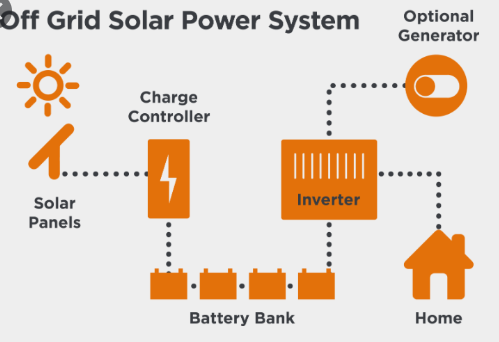
Off grid power system for homes.
Off grid power system using solar as an alternative source is becoming an increasingly popular choice for American homes. This is mainly due to the fact that many people now are looking to reduce their carbon footprint and are in favor of avoiding reliance on fossil fuels for eco-friendly living. Moreover, such a changeover would help them to assert their independence, as stand alone solar power system is totally independent of utility grids.
With the right setup, you can go further and stay out longer—whether that means bringing power to a remote cabin, or simply ensuring your home has backup energy in case of outages. Modern portable solar generators, when paired with rugged, weather-resistant panels, deliver dependable energy with no noise, fumes, or need for gasoline. These systems are built to handle demanding conditions, making them perfect for permanent or semi-permanent installations. Enjoy the quiet confidence of being your own power source, wherever you set up basecamp.
The off grid power systems are the perfect choice for remote rural areas or villages to provide continuous reliable power. They are most often used in faraway places where electricity is not easily accessible or where the connection fees of the grid power are higher than the cost of an alternative energy system.
In this post, I am going to give an overview of an off grid power system for homes using solar power.
What is an off grid power system?
‘Off the grid’ simply means that you’re no longer connected to the utility power grid supplied by power plants. Off grid power system is any setup that takes an alternative power source and converts it into usable electricity. These systems allow you to stay off the main power system that almost everyone connects to. Unlike a grid-connected power system, off grid power system fulfills the power needs of homes or business appliances without tapping into any networked power grids. The most common alternative power sources for off-grid power solutions are,
1. Batteries;
2. Generator;
3. Solar;
These systems are designed to supply reliable electricity even in remote locations where utility power lines simply don’t reach—or where people want to avoid the cost and hassle of connecting to the grid. With advances in solar panel technology, high-capacity batteries, and efficient inverters, today’s off grid setups can power anything from a rural cabin, to a family home, to an off-grid workshop or RV.
How off grid power system with solar power work?
Off grid power system with solar power or a stand alone solar power system consists of an array of solar panels, which absorbs sunlight and convert it into electricity which is then stored in a battery bank. A stand alone solar power system for homes operates using the stored energy in the battery bank via an inverter that pulls the DC power stored in the batteries and converts it into AC power for use in homes and other structures. At night, and during overcast days without the sun shining, all necessary power is provided by the batteries. The off grid solar panels keep the battery bank charged on a daily basis.
In its simplest form, an off grid solar power setup generally includes three main components: solar panels, a battery bank, and an inverter. Some systems also include a backup generator for extended cloudy periods or higher energy demands. This combination allows for a flexible and reliable source of clean energy, whether you’re powering a home in the countryside, an RV on the open road, or even a boat out on the lake.
These systems are designed to provide essential backup power and independence, making them ideal for a range of applications—from rural cabins to tailgate parties where you might even plug in a crock pot! The portability and scalability of stand alone solar power systems mean you can size them to meet your specific needs, whether for a single device or an entire household.
The number and area of the panels depend on the amount of electricity required to be produced each day. For people with little or no access to the grid, such off grid power system helps in continuous and uninterrupted power supply.
Stand alone solar power system design – major points to consider
1. How much power do you need each day
The most important step towards planning an off grid power system is to figure out how much power you will need per day from your system. Solar panels are only capable of producing power during the day when there is the sun. It is, therefore, paramount to understand that your power requirement for 24-hour use has to be covered by the average amount of energy that the solar panels collect from the sun during the day. The most important challenge in off grid power system design is to balance your energy consumption with the supply of energy by the system and you cannot do that without first knowing how much energy you need each day. The easiest way to know your energy consumption is to look at your monthly energy bill and estimate your daily consumption. You could also calculate your energy consumption by knowing the average watts of each device you use and for how many hours you will be using them on average.
2. How big battery bank you will need
Once you know how much power is required per day you are to work out the size of the battery bank (a battery bank is essentially a group of batteries wired together) needed for an off grid solar system to store this necessary power. The stand alone solar power system for homes is limited by the power generated by the solar panels throughout the day unless you have a backup generator or a secondary power source. But putting in a system of batteries to store the required output of the sun involves more than meets the eye. Before installing a battery bank, much thought, care, and calculation will be necessary to ensure that the system chosen will fully meet your energy needs in a cost-effective manner. You are to consider how many days you will want to power your home if there is no sun. The days of storage you desire, multiplied by the power (in watts) you need per day, will give you the required capacity of your battery system. You can calculate the size of the battery bank in amp-hours from the amount of power you will need.
Expanding System Capacity with Additional Batteries
If you find that your energy demand exceeds what a single battery bank can reliably support, one effective solution is to expand your storage by syncing or adding extra batteries. By combining multiple compatible batteries into a unified bank, you increase the total capacity (measured in watt-hours or amp-hours), meaning your off grid system can power your home or appliances for longer periods—especially useful during cloudy days or when your needs spike.
Adding batteries isn’t just about stacking more; when correctly connected, they work together seamlessly as one larger battery, distributing the demand and extending runtime without interruption. Many homeowners opt for reputable brands such as Tesla’s Powerwall or LG Chem RESU when considering battery expansion. Before upgrading, always verify compatibility among your batteries and ensure your charge controller and inverter can handle the increased storage. Proper planning and professional installation will help maintain efficiency, longevity, and safety in your expanded off grid system.
3. The number of solar panels you will need for stand alone solar power system
The peak sunlight hours of your particular area will have a direct impact on the energy you can expect from your stand alone solar power system. Peak sunlight hours describe the intensity of sunlight in a specific area. Peak sun hours occur when the sun is highest in the sky. Your average daily energy usage is your target daily average to calculate your solar panel needs. Each solar panel generates a limited amount of electricity. The number of panels you will need in your solar array depends on how much power you need to generate. Once you know your average power requirements per day you can calculate the number of off grid solar panels needed from the daily peak sunlight hours for your area (A peak sunlight hour is typically defined as an hour of sunlight that offers 1,000 watts of photovoltaic power per square meter)
You may also like to read: How solar panels work step by step
4. Selecting a Solar Charge Controller
Good solar charge controllers are crucial for keeping the batteries healthy and ensuring the long life of your battery bank. The solar charge controllers (also known as battery regulators) limit the rate of current being delivered to the battery bank to control the pace at which the batteries are to be recharged. Solar charge controllers protect the batteries from overcharging. If you have a battery-based inverter, chances are that the charge controller is integrated with it.
There are two major types of solar charge controllers: PWM (Pulse Width Modulation) and MPPT (Maximum Power Point Tracking). PWM controllers are simpler and more affordable, suitable for smaller or budget-conscious off-grid systems. MPPT controllers, on the other hand, are more sophisticated, and efficiently maximize the energy harvest from your solar panels by continually adjusting to the optimal voltage point. This can improve system efficiency by up to 30%, especially in colder climates or when the solar panel voltage is significantly higher than the battery voltage. Investing in a quality charge controller—particularly an MPPT model if your budget allows—can extend battery lifespan and improve overall system performance.
5. Selecting a solar Inverter
Another crucial piece of electronic equipment in your stand alone solar power system for homes is the DC-AC solar inverter. If you are running only DC loads straight off your battery bank, there`s no need for an inverter. However, nearly all indoor electrical home appliances run on alternating current or AC. If you are powering AC loads, you will need an off-grid inverter to convert the Direct Current from the batteries into an Alternating Current for your appliances. Electrical current flows from the solar panels through the solar charge controller and the battery bank before it is finally converted into alternating current by the off-grid-inverter. Unlike standard models, off-grid inverters are also capable of converting AC power to DC power. This is good for effectively managing solar panel energy output and battery storage. How big your inverter should be will depend on how many watts of power you need per day.
When selecting an inverter, pay close attention to its capacity (measured in watts) and ensure it can handle the combined load of all the appliances you intend to run simultaneously. Modern inverters also include advanced features such as pure sine wave output for sensitive electronics, integrated monitoring, and higher surge capacity for starting motors or compressors. Reliable brands like Schneider Electric, OutBack Power, and Victron Energy are popular choices among off-grid homeowners for their proven durability and after-sales support.
With the right inverter in place, your stand alone solar system can deliver clean, consistent power for everything from a single lamp to your entire household.
6. Backup Generator
Even though a backup generator is not always required, it is a good idea to have a secondary power source as it would increase the reliability of the power supply. By installing the generator you are making sure that you are not solely dependent upon a stand alone solar power system for your power requirements. Without a backup generator, it would require a lot of storage capacity and a very large solar panel system involving a significant financial investment in order to prevent total power loss in the event of a winter snowstorm or an extended period of overcast days without the sun shining. Modern generators can be configured to start automatically when the solar array and /or battery bank doesn’t provide sufficient power. The typical output of the backup generators is AC, which can be sent through the inverter for direct use, or it can be converted into DC for battery storage.
When choosing a generator, consider the fuel type (diesel, gasoline, or propane), noise level, and ease of integration with your existing system. Some homeowners opt for inverter generators, which offer quieter operation and better fuel efficiency. An appropriately sized generator—matched to your home’s peak demand—can provide peace of mind during extended periods of low sunlight or increased energy usage.
Whether you opt for a conventional fuel generator or a solar generator, both serve the same core purpose: to supply electricity when your solar array and batteries can’t meet your needs. Having this extra layer of backup ensures peace of mind and allows your off-grid system to handle those unexpected cloudy stretches or surges in power usage.
You may also like to read this related post: Grid tied solar system – why it is homeowners’ popular choice
Comparing Portable Solar Panels: Wattage, Portability, and Setup
When choosing portable solar panels for an off grid power system, you’ll notice a range of options—each offering different wattage outputs, portability features, and setup requirements. Understanding how they compare helps you select the right solution for your home or for taking your energy needs on the road.
1. Wattage Variations and Power Output
Portable solar panels come in a variety of wattages, typically ranging from compact 50W units to robust 400W options. Lower wattage panels (like those in the 100W range from brands such as Renogy, Jackery, or Bluetti) are suitable for basic needs like charging small electronics or keeping a few lights running. As you move up to 200W or 400W models, you’re equipped to power more demanding appliances or quicker recharge large battery banks—vital if you’re looking to keep a fridge, power tools, or an entire off-grid cabin running efficiently.
- 100W panels: Best for charging phones, cameras, and small devices; slower recharge times for larger batteries.
- 200W panels: Strike a balance between portability and faster battery charging; good for laptops, small refrigerators, or longer trips.
- 400W panels: Ideal for quick charging and running multiple devices or essential household appliances simultaneously.
2. Portability Factors
Portability depends on both the panel’s physical design and its weight. Some portable panels are designed as folding “briefcase” styles, making them easier to carry and set up at campsites or remote job sites. Others are made with lightweight flexible materials, allowing you to drape them over a vehicle or easily fit them in a backpack—popular with nomads and adventurous travelers.
Briefcase panels: Heavier and more robust, ideal for semi-permanent basecamp setups or backyard use.
Foldable/flexible panels: Light and compact, best for frequent movers, van dwellers, or situations where space is at a premium.
3. Setup Simplicity
Most modern portable solar panels now feature straightforward, “plug-and-play” assemblies. Many brands (like EcoFlow, Anker, and Allpowers) include integrated stands or kickstands so you can angle your panel toward the sun, and MC4 connectors or proprietary quick connections make linking several panels together relatively simple. Some panels are designed for outdoor durability and setup in challenging weather—think rigid tempered glass and sturdy frames—while others favor lightweight portability, trading off a bit of ruggedness for ease of transport.
Summary Table: Portable Solar Panel Differences
Wattage Range Portability Best Suited For Setup 100W Lightweight, compact Small devices, short trips Very simple 200W Foldable, moderately easyMost off-grid setups, quick rechargesSimple 400W Larger, briefcase style Whole home back-up, faster charging Moderate When deciding which portable solar panel is right for you, consider your daily power demand, mobility needs, and how quickly you want to recharge your battery bank under your typical sunlight conditions. More wattage means more power and faster recharging, while higher portability might be the difference between a weekend getaway and a full-time off-grid lifestyle.
Key Features of the Latest Portable Power Stations
Let’s explore what sets the newest generation of portable power stations apart when it comes to meeting your off-grid energy needs.
Fast Charging and High Capacity
Today’s portable power stations pack a punch, offering robust energy storage—often in the neighborhood of 1,000 to 4,000+ watt-hours. Advances in inverter technology mean higher AC output (routinely up to 2,000W or more), letting you run everything from a coffeemaker to a refrigerator. Perhaps even more impressive, improved charging circuitry means you can replenish these stations in a fraction of the time compared to older models, sometimes topping up in as little as one to two hours when using compatible solar panels.
Versatile Outputs and Multiple Ports
Modern units include a whole lineup of output ports—some with as many as 15–20 connections. This allows you to power or recharge several devices simultaneously, including AC appliances, USB gadgets, 12V electronics, and DC equipment. The versatility really makes these ideal for everything from camping and tailgating to home backup during emergencies.
Durability and Weather Resistance
If you’re headed into the wild—or just want a station that stands up to everyday bumps—look for units engineered with rugged, outdoor-ready exteriors. Features like water-resistant housings (commonly rated to standards such as IPX4) and reinforced corners help protect the station from splashes, rainfall, and rough handling. While some models are specifically designed to handle wet environments, others are best kept dry, so always check the rating for your intended use.
Long Battery Lifespan
The longevity of lithium iron phosphate (LiFePO₄) batteries now means many premium portable stations promise a lifespan of 10+ years, even with constant use and regular charging cycles. This is especially valuable if you’re planning to use your power station year after year, whether on the road or as home backup.
Tested for Reliability
One of the hallmarks of the best portable power stations is their reliability in real-world settings. The top models are tested in both harsh wilderness environments and urban conditions, ensuring that, whether you’re dealing with a blackout or heading out on an expedition, your power station won’t leave you in the dark.
In Summary
- Rapid solar and AC recharging — often 10x faster than older units
- High-capacity storage for home appliances or off-grid use
- Multiple output ports for simultaneous charging
- Weather-resistant housing for rugged use
- Long battery life with advanced LiFePO₄ technology
- Field-tested durability
These innovations make modern portable power stations a cornerstone for reliable, flexible, and sustainable off-grid energy. Whether you’re planning for adventure or peace of mind at home, there’s a unit tailored to your needs.
Frequently asked questions
Before I conclude let me also address some of the queries related to the off grid power system for homes.
How many solar panels do I need to power my house off-grid?
The number of solar panels you will need in your solar array depends on how much power you need to generate. Once you know your average power requirements per day you can calculate the number of off grid solar panels needed from the daily peak sunlight hours for your area (A peak sunlight hour is typically defined as an hour of sunlight that offers 1,000 watts of photovoltaic power per square meter)
What is the best off-grid power source?
Solar power is the most popular available option when it comes to the off grid power system.
How much does it cost to build an off grid power system?
The prices of off-grid solar kits that can power an entire home range from $12,000 to $50,000.
What financing or payment options are available for purchasing off-grid solar systems?
Investing in a stand alone solar power system is a significant step, but it doesn’t have to be a financial hurdle. Thankfully, there are several payment and financing options to make the process smoother:
Personal Loans: Many banks and credit unions offer personal loans that can be used to purchase and install off-grid solar power systems. Interest rates and terms vary, so it’s worth shopping around for the best deal.
Solar-Specific Financing Programs: A number of third-party lenders specialize in renewable energy projects, such as Mosaic and LightStream, offering loans tailored for solar installations.
Home Equity Loans or Lines of Credit: If you’re a homeowner, using the equity in your property can be an effective way to bankroll a solar system at potentially lower interest rates.
Credit Cards: For smaller systems or upfront deposits, some prefer using credit cards. However, it’s important to account for higher interest rates if the balance isn’t paid quickly.
Buy Now, Pay Later Plans: Some solar suppliers and third-party financial partners offer installment payment plans, often with introductory zero-interest or deferred payment options. This can help you spread out the cost over several months or years.
Before choosing a financing option, review the terms carefully and consider both immediate affordability and long-term value. Proper planning ensures your transition to solar is both budget-friendly and sustainable.
What are the biggest disadvantages of Solar power?
Here’re the major disadvantages:
1. The initial cost of a solar system is quite high;
2. Solar power is Weather-dependent. During cloudy and rainy days, the efficiency of the solar system drops;
3. Storage of Solar Energy is expensive;
4. Solar panels use a lot of space;
You may also like to read this related post: Solar Residential System – an easy guide for home solar system planning
How durable are portable power stations and solar panels?
When considering off-grid power solutions, durability is always a common concern—especially if you’re planning for unpredictable weather or rugged adventures. Generally, portable power stations and solar panels are built to withstand a variety of outdoor conditions, but their resilience can vary between manufacturers and models.
Solar panels, for example, are typically designed for outdoor placement and can handle exposure to sun, rain, wind, and even the occasional storm. High-quality panels from reputable brands like Renogy or EcoFlow often come with weatherproof casings, allowing them to operate reliably in most climates so long as they’re installed according to the manufacturer’s guidelines.
Portable power stations, on the other hand, are built for mobility and indoor or sheltered use. While many units feature reinforced casings and shock-resistant materials, it’s important to remember that they aren’t always fully waterproof. Most should be kept dry and shielded from heavy rain or direct water exposure—think of them as suited for campsite use under a canopy, or as backup power inside your home. For those seeking rugged, all-weather gear, some outdoor-rated units do exist, but always check the product specifications for details on water and dust resistance, typically marked by an IP rating.
To sum up:
Solar panels: Generally weather-resistant and made for outdoor use, but check your specific model for storm and water ratings.
Portable power stations: Durable for daily handling and occasional bumps, though they should usually stay dry and protected from heavy elements.
Pro tip: Always refer to your product’s manual and user guide for specifics on care and usage environments.
This way, whether you’re powering an off-grid cabin, RV, or simply preparing for power outages, you’ll know how your gear will stand up to the elements.
Conclusion
The idea of going for stand alone solar power system independent from any electric utility grid is no doubt an attractive one. Many homeowners have chosen this route in search of eco-friendly living, independence, sustainability, and cost savings. If energy independence, stopping blackouts, or eliminating electricity bills is the main reason for your going for an off grid power system, your decision may be right. However, one should keep in mind the following important points before deciding to quit the grid:
a. Costs & payback
Before you go for off grid solar system you should judge whether going off the grid is worth it financially. While quitting the grid may mean that you are going to be free of electricity bills and associated price fluctuations but that doesn’t mean your energy will be ‘free’ of cost. This is because you have already incurred substantial capital costs associated with installing the new stand alone solar power system. Therefore, investing in a stand alone solar power system for your home may only be worth it if you plan to stay in your home for long enough to offset the capital costs over the years with your monthly costs which are much lower than the power company’s electricity bills.
b. Availability of roof space to mount solar panels
For most homes, especially those in an urban or semi-urban area, perhaps the biggest limiting factor on whether a solar system for a home can go off-grid, is the amount of available roof space (or yard space) on which to mount the solar panels. If your roof is small you may only be able to fit a modestly-sized solar panel array. Therefore, before going for off grid solar power systems it needs to be ensured that sufficient roof space is available in your home to mount the full array of solar panels, unless your home’s energy consumption is extremely low, or you’re willing to sacrifice some comforts by going for a smaller system.
c. Running costs of the system
In addition to the initial capital investment for the stand alone solar power system, there will also be occasional maintenance costs that are necessary to ensure that the system operates optimally.
Normally solar panels come with a 25-year standard warranty. But batteries and inverters may have to be replaced every 5-10 years depending on the warranty of the devices. Additionally, if you have a backup generator, you will also have to pay for its fuel. Besides this, when you go for off grid power system, maintaining your power supply becomes your responsibility. Regular service from a professional person is, therefore, essential because, in case of something goes wrong with your home solar power system and you face difficulties in running your backup generator, you may be left without electricity until it gets fixed.
d. The value of your property
Should you decide to sell your home after going off the grid, your prospects will be markedly different than if you had maintained a grid connection. While an off-grid home may have more appeal to some buyers, there are many buyers who may not share the same view, and hence it may take a longer time to sell your property. There’s also the question of the age of the solar system at the time of sale. The potential buyers moving into an off-grid home solar power system would expect many years of maintenance-free operation ahead of them as opposed to ending up with a system that they know they’ll need to replace a great deal in the next few years.
You may also like the post: Facts about Solar Energy

Saptarshi
Apr 07. 2018
This is an awesome article that covers a lot key considerations and insights in a very succinct manner. Thanks for the article
radharenu ganguly
Apr 07. 2018
Hi Saptarshi,
Thanks for stopping by and your comments.
David Burns
Sep 24. 2018
Really enjoyed the article – I went looking for info after a close friend told me today that he’s now officially off grid. He paid his last electric utility bill last month.
For now he’s using direct power from his solar panels, with a small battery backup, but his long-term plan is to purchase two electric cars, fully charge them, and then power the household from them when they’re not in use.
Solar is the future!
radharenu ganguly
Sep 24. 2018
Hi David
Thanks for stopping by and your comments.
Karie S
Feb 05. 2019
What are you using to protect the battery from overcurrent? And is the inverter protected from overcurrent? We see this design in many off-grid DC applications. Mechanical Products waterproof Series 17 High Amp circuit breakers are ideal for this application. You can download the datasheet here: http://www.mechprod.com/series-17
SolarEze
Oct 15. 2020
Being off-grid is an amazing way and its getting trendier nowadays. Lots of DIYs on youtube as well. But if you plan on going off-grid, do a thorough research and learn the do’s and don’ts especially the maintenance it needs.