Are solar panels worth it for your home?
Are solar panels worth the investment for your home?
If you’re thinking of going solar, you probably have a few questions to ask, the most important one being – are solar panels worth it?
With the rising cost of electricity from traditional sources together with the declining cost of solar panels over the last several years, many American homeowners have started thinking of going solar and are asking themselves – are solar panels worth the investment? Whether solar panels for home are actually worth the money depends on a few major factors such as, your home’s location, whether your roof is suitable for solar panels, how you use your electricity, what your local utility charges for the electricity, how much is your monthly electricity bill and what is the payback period of the investment in solar panels.
Here in this article I have tried to explain all the things a homeowner needs to know to make an informed decision about installing a solar power system for his house. The article should help the homeowners to make the financial calculations required to find out the viability of solar panels for home and to ascertain – are solar panels worth the investment?
Are solar panels worth it for most homeowners?
The short answer is—yes, for most homeowners, solar panels are indeed a wise investment. The advantages go beyond just “going green.” Over the past decade, the cost of solar panels has dropped significantly, while electricity prices from traditional utilities continue their upward march. As a result, more people are finding that solar can pay for itself—often within ten years or even less, depending on where you live and how much power you use.
Locations matter, of course. Homeowners in states with abundant sunshine—think California, Arizona, or Texas—tend to reap the greatest rewards, especially if their local governments offer net metering and strong incentive programs. And if your roof happens to be south-facing with little shade, you’re already ahead of the game!
Another key factor is your electricity bill. The larger your bill, the bigger the potential savings once you install solar. It’s not just about cutting costs—solar panels can also boost your home’s value, sometimes by as much as 6–7%, according to studies by organizations like Zillow.
Beyond the financial numbers, there’s a significant environmental impact as well. Switching to solar means relying less on fossil fuels and reducing your household’s carbon footprint. In fact, research from Columbia University suggests that solar panels can lower carbon emissions even more effectively per acre than planting trees.
So, if you’re looking to save money, increase your home’s value, and tread a bit lighter on the planet, solar panels are very much worth considering for your home.
When does solar make sense for you?
While solar panels are a smart investment for the majority, there are a few key factors that determine just how much you’ll benefit:
- You own your home: Solar panels are best suited for homeowners rather than renters, since long-term benefits come from staying put.
- You pay high electricity rates: The higher your current bill, the faster solar will pay for itself.
- Your roof is suitable: Homes with unshaded, south-facing roofs typically see the best results. If your roof is shaded or in poor condition, you may not get the same returns.
- You get a competitive installation price: Shopping around for multiple quotes helps ensure you don’t overpay.
- Local incentives: State and local incentives or rebates can significantly reduce your upfront costs and shorten your payback period.
On average, most homeowners who purchase solar panels with cash see a return on investment in about 10 years—and sometimes even sooner if incentives are available. And with electricity rates rising about 2–3% annually, those long-term savings really add up. In fact, over 25 years, the average solar owner can save tens of thousands of dollars on utility bills.
However, solar isn’t a one-size-fits-all solution. If you rent, have very low electricity rates, or if your property isn’t suitable for solar, the economics may not work in your favor.
In summary: Solar panels offer most homeowners a compelling mix of financial savings, increased property value, and environmental benefits. Do your homework—get multiple quotes, check for local incentives, and make sure your property is a good candidate. For many, the numbers (and the planet) make solar a worthwhile investment.
Are solar panels worth it – how to determine?
Here are the major factors you need to consider to determine – is going solar worth it?
1. How much is your current electricity bill?
Your current electricity bill is one of the major factors to find out – are solar panels worth the investment for your home? The higher your monthly bill, the more likely you’ll benefit from switching to solar. The solar panels generate power by itself and can, therefore, greatly, if not entirely, offset your monthly electricity bill.
However, the electricity rates and usage are not stable. Therefore, if utility’s electricity prices fluctuate or your energy consumption changes, the amount of your savings shall also vary. Location of your home largely affects electricity rates. Homeowners, therefore, need to check the electricity prices in their area to ascertain – are solar panels worth it for their homes? The electricity rates in your location can be checked from the U.S. Energy Information Administration website .
2. Is it worth installing solar panels if your electricity costs are already low?
If your monthly electricity bill is on the lower side—say, under $75—a solar power system may not offer the strong return on investment it does for households with higher energy usage. The main reason is that your savings are closely tied to how much you currently pay for electricity. A smaller bill means there’s simply less room to offset costs and recoup your initial outlay within a reasonable timeframe.
Several factors could explain why your electricity bill is low:
- You live in a smaller home.
- Your household is just one or two people.
- You’ve already invested in energy-efficient appliances or lighting.
- Electricity rates in your area are below the national average.
Location is key here. For instance, residents of states like Massachusetts, California, or Rhode Island often face higher electric rates, which makes switching to solar much more attractive financially. On the other hand, if you’re in areas like North Dakota or Washington where rates are low, solar panels may take significantly longer to pay themselves off.
But going solar isn’t an all-or-nothing decision. If installing panels isn’t practical for your situation, consider participating in a community solar program. With community solar, you can still support the growth of renewable energy and see some minor savings on your electric bill—without taking on the full cost and responsibility of a home installation.
Ultimately, if your current electricity costs are quite low, it’s wise to carefully run the numbers and look at all your options before making the leap into residential solar.
3. How you are going to finance your solar system?
Financing option for the solar panels for home i.e. whether to buy outright or to lease the solar panels, will have major impact on your system’s long-term value.
If you can afford to buy your solar panels outright (by cash) you’ll save more than with any other option. However, you can also go for a solar loan. If you have enough finance, the best choice would be to go for a secured solar loan, which means you use your home as collateral. The rate will be lower than an unsecured solar loan, and the interest will be tax-deductible.
While solar Leases and Power Purchase Agreements (PPAs) require no down payment and promise a maintenance-free option, but they come with a lower savings which will typically be just 10 to 30 percent of your utility electricity bill. Moreover, in solar lease, since you don’t own the panels, it won’t raise the value of your home, and you may not be eligible for incentives.
4. Is your roof suitable for solar panels?
Your home’s current exposure to sun is an important point to decide – are solar panels worth it for your home?
Your Home’s location, the roof’s orientation toward the sun and the amount of shade affect a solar system’s output. More exposure to the sun means more energy produced and a greater potential to achieve higher solar savings.
South-facing roofs are the most productive for solar, followed by west-facing and then east-facing roofs. North-facing roofs are the least desirable for solar, and many people rule them out. Next you are to see if the size and angle of your roof is suitable to decide -are solar panels worth the investment for your home?
You need about 100 square feet of area per kilowatt of solar system. For an average residential solar system of 5 Kw rating, you’d need roughly 500 square feet of roof space. The ideal angle for solar panels is 30 degrees, but they can be installed on roofs having angle ranging from zero to 45 degrees. It is also important to minimize shading from nearby trees, buildings and other obstructions on the roof. If your roof is lightly or even moderately shaded, solar panels may still be viable.
Climate and Sun Exposure Matter
Solar panels work best in places with plenty of sun exposure and cool temperatures. While cloud cover or frequent shade can reduce the amount of solar energy a system produces, even homes that aren’t in sun-drenched locations can still see significant reductions in electricity costs. In fact, many regions with moderate climates and variable cloud cover still benefit from solar panels, especially if your roof receives sun for most of the day.
Ultimately, the suitability of your roof and the local climate are key pieces of the puzzle when determining if solar makes sense for you. Taking the time to assess both the physical characteristics of your roof and how much sunlight it receives throughout the year will help you gauge your home’s solar potential and maximize your long-term savings.
You can estimate the efficiency of your solar panels with the help of the Solar-Estimate calculator which calculates how much power a given sized array of solar panels will produce given your location.
You may also like the related post: High efficiency solar panels – how they matter for residential solar
Ground-Mounted vs. Rooftop Solar Panels
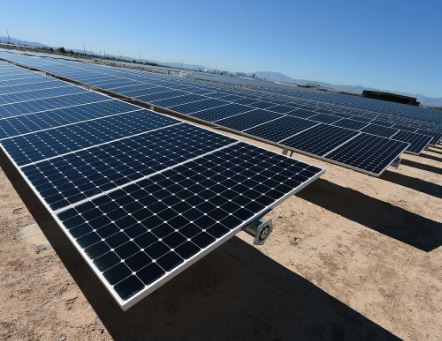
While many homeowners choose rooftop solar panels for convenience and aesthetics, ground-mounted solar panels can be a practical alternative—especially if your roof isn’t ideal for solar. Ground-mounted systems allow for optimal placement and angling toward the sun, ensuring maximum energy generation regardless of your roof’s limitations. They can be set up in open yards, gardens, or even on structures like carports and pergolas.
However, it’s important to keep in mind that ground-mounted installations generally require more materials and labor than rooftop systems. This is because you’ll often need concrete footings to secure the panels and may have additional costs for trenching to run the electrical wiring to your home. So, while ground mounts can deliver top performance and are a good choice for larger properties or homes with shaded roofs, they do come with a higher initial price tag.
If you have the available land and want or need flexibility in panel placement, ground-mounted solar may be worth considering to increase your system’s efficiency—even if it means a greater upfront investment.
5. What alternatives are available if a roof is not suitable for solar panels?
Even if your roof isn’t ideal for solar panels—whether due to orientation, shading, or space limitations—you still have several other options to harness solar energy for your home.
1. Ground-Mounted Solar Installations
If you have sufficient yard or land, ground-mounted systems allow you to place solar panels at the perfect angle and orientation for optimal sunlight. This setup can sometimes increase installation costs, since it requires sturdy foundations and underground cabling, but offers flexibility when roofs are impractical.
2. Solar Carports and Structures
Solar panels can also be installed on freestanding structures like carports, pergolas, or even gazebos. This not only generates clean energy but provides the added benefit of shaded parking or outdoor living space. For those with limited roof area but some extra space on the property, these creative alternatives can make solar a feasible option.
3. Community Solar Programs
If you can’t install panels on your property at all, consider subscribing to a community solar project in your area. With community solar, you invest in or buy a share of a larger, off-site array, and receive credits on your electricity bill for your portion of the power generated. You can investigate local options through the National Renewable Energy Laboratory’s community solar database(https://www.nrel.gov/).
Regardless of your roof’s limitations, there’s usually a solar solution that fits your situation and helps you take part in clean energy.
6. How much do residential solar panels cost?
According to the Center for Sustainable Energy residential solar panels for a standard system of 5 Kw rating costs, between $15,000 to $25,000 ($3 to $5 per Watt) before tax credits and incentives. But negligible long-term expenses can make up for the upfront costs. Once installed the maintenance costs of the solar system are very small. A typical solar panel installation is expected to last anywhere up to 20 years or more with little change in the amount of electricity produced.
The number of solar panels you will need to power your house will depend on two factors:
- The amount of electricity you use;
- Your location which will determine how much electricity your solar panels will produce;
There are online solar calculators that can take your monthly power spend and location and work out how many solar panels you need and the cost involved based on prices of solar companies in your area. You can use this online solar panel cost calculator to find out how much your solar panels cost.
How much money can solar panels save annually in 2026?
The annual savings you’ll enjoy from solar panels in 2026 will depend on your energy usage, local electricity rates, and the size of your solar system. On average, homeowners in the U.S. See annual electricity bill savings of $1,500 to $2,500 after installing solar. This range takes into account typical state electricity rates and an average system designed to significantly offset your household’s needs.
It’s important to note that as electricity rates continue to rise each year—historically by about 2-3%—your future savings will likely increase as well. Over a typical 25- to 30-year system lifespan, these savings can really add up, offering not just a reduction in monthly expenses but real long-term value for your investment.
To get an even clearer idea for your specific situation, you can use tools like the National Renewable Energy Laboratory’s PVWatts Calculator https://pvwatts.nrel.gov/ to estimate your solar production and savings based on your address, system size, and current local utility rates.
Keep in mind, these savings are before taking into account available tax credits or other incentives in your area, which can improve your payback period even further.
7. How Solar System costs, Tax Credits, and Energy Production affect your Savings?
When considering if solar is the right fit for your home, it’s essential to not just look at the upfront cost, but to also weigh how tax credits and your home’s actual energy output can influence your total savings.
There’s a straightforward formula many homeowners use: divide the net cost of your solar system (after factoring in any available tax credits and rebates) by your yearly electricity savings. The result is your “payback period”—the number of years it will take before your investment breaks even and you start pocketing real savings.
For example, in a state where power rates are high, your payback period might be as little as five years, since your solar panels offset more expensive utility bills. In places where sunlight is abundant but electricity costs are much lower, the payback period could stretch to about twelve years or more. This means the return on your solar investment is typically much faster when you’re offsetting pricier electricity.
Here’s a quick snapshot of the main factors:
- Upfront Cost: This is the sticker price of your system before any rebates or tax credits.
- Tax Credits & Rebates: The federal solar tax credit can slice a significant chunk off your tax bill. Many states throw in their own incentives as well, reducing your net cost even further.
- Annual Energy Output: The more energy your panels produce (which depends on sunlight hours and roof orientation), the greater your yearly savings.
- Local Electricity Rates: Higher electricity rates mean your panels offset more expensive energy, racking up savings faster.
So, even if your area isn’t the sunniest, if your electricity rates are high, solar panels can still deliver excellent long-term value for your home. And remember—maintenance costs for solar are usually minimal, which keeps ongoing expenses low and helps maximize your overall savings.
8. What incentives and rebates are available for your solar system?
The government incentives and rebates which are available for installing residential solar system are also among the major factors to determine – is solar power worth it for your home?
The government offers homeowners significant incentives for installing solar panels as an alternate energy source. Many states also offer their own incentives on top of the federal tax credit for promoting installation of solar system.
Additional credits vary by location. If your state has a high solar ranking, you may receive extra incentives like cash back, property tax exemption, waived fees and expedited permits. In some states, homeowners with solar panels can sell excess power to their local utility companies. You can check the credits available in your state by reviewing the database of state incentives for renewables and efficiency.
North-eastern states like New York, New Jersey, Massachusetts, Vermont, and Rhode Island offer the best incentives. Two west coast states, California and Oregon, are also important leaders in solar energy incentives.
However, as solar panels are getting cheaper day by day, gradual reduction in the incentives that are available at present from state and city governments cannot be altogether ruled out.
Rebates and Incentives Still Available for Solar in 2026
If you’re weighing the cost of solar in 2026, you’ll want to know what incentives might ease the pain of that sticker price. Though the federal investment tax credit (ITC) has sunset, there’s still a patchwork of programs that can help lower your financial burden.
Here’s how current solar incentives might work in your favor:
- State and Local Tax Credits or Rebates: Many states and cities are still offering cash rebates, performance-based incentives, or one-time tax credits to encourage homeowners. These can shave thousands off your overall cost—or at least cover the cost of a nice backyard BBQ to celebrate going solar.
- Property Tax Exemptions: In a growing list of states, adding solar panels won’t increase your property tax bill. You get the boost in home value, without the bump in taxes.
- Net Metering: If your utility offers net metering, any surplus power your system pushes onto the grid earns you bill credits. This means ongoing monthly savings just for sharing your excess sunshine.
- Solar Renewable Energy Certificates (SRECs): Some areas award tradable certificates for every megawatt-hour of electricity your panels generate. You can sell these to utility companies trying to meet clean energy targets—think of it as passive income for being green.
- Low-Interest Financing: Certain states and municipalities offer special solar loans with reduced rates, so you can upgrade to solar without emptying your savings account.
The fine print? Not every incentive is available everywhere, and the details can change year to year. If you’re serious about going solar, your best bet is to check out the Database of State Incentives for Renewables & Efficiency (DSIRE) (http://www.dsireusa.org/) for the latest in your neck of the woods.
Taking advantage of any combination of these programs can significantly cut down your upfront costs, shorten your payback period, and boost the overall financial return on your solar investment.
What Rebates and Incentives Remain After the Federal Tax Credit Expires?
With the federal investment tax credit (ITC) phased out in 2025, you might be wondering whether switching to solar still makes financial sense. The good news is that homeowners still have access to a variety of other incentives and rebates that can ease the upfront cost and improve your savings.
Depending on where you live, you may qualify for:
- State and Local Rebates: Many states and cities continue to encourage solar adoption through cash-back rebates or refunds, which lower your net investment right from the start.
- Property Tax Exemptions: In several states—including some of the high-ranking solar leaders mentioned earlier—adding a solar system won’t increase your property tax bill.
- Net Metering Programs: Utility companies in many regions allow you to earn bill credits when your panels generate excess electricity and send it back to the grid (we’ll cover net metering in more detail below).
- Performance-Based Incentives: Some states offer Solar Renewable Energy Certificates (SRECs) or similar programs, paying homeowners for each kilowatt-hour of clean energy their system produces.
- Low-Interest Financing: Certain local programs and utilities provide low- or zero-interest loans to make solar system purchases more affordable.
Not every incentive is available everywhere, so it pays to research what’s offered based on your location and utility provider. For the most accurate and up-to-date information, you can check the Database of State Incentives for Renewables and Efficiency (DSIRE) before finalizing your solar plans.
9. How does net metering impact the financial benefits of solar panels?
Net metering is another key factor when weighing the return on investment for a residential solar system. With net metering, homeowners can send any surplus electricity their solar panels generate back into the grid. In return, your utility company provides credits that offset your electricity bill, often at the same rate as they charge for power.
This arrangement can dramatically improve the financial payback from solar panels, as it allows you to make the most of all the clean energy your system produces—even during sunny spells when your usage is low. In some regions—even busy metropolitan areas—net metering policies are robust enough to reduce or nearly eliminate your monthly utility costs. The ability to “bank” excess production for later use essentially turns the grid into a giant virtual battery.
However, the availability and terms of net metering vary widely by state and local utility company. Some states, like California and New York, have strong net metering programs, which significantly boost the savings you’ll see. In places where net metering is limited or unavailable, the overall financial benefit of installing solar panels may be substantially reduced.
Before moving forward, check with your local utility and state energy office to find out exactly what net metering options are available in your area.
10. Why does the payback period for solar panels vary by location?
The time it takes for solar panels to pay for themselves isn’t just about how much sunlight your area receives—it’s also heavily influenced by local electricity rates. For example, even if a state like North Dakota enjoys more sun on average than Massachusetts, its significantly lower electricity rates can stretch the payback period to over a decade.
In locations where residents pay higher rates for electricity—such as Massachusetts, New York, or California—the savings from producing your own solar power add up much faster, shortening the payback period. Conversely, in areas where electricity is cheap, it will naturally take longer to recoup your initial investment, even if your solar panels are soaking up plenty of sunshine.
So, when evaluating your solar investment, it’s crucial to consider both your local solar potential and the price you currently pay for grid power. This combination determines how quickly your solar panels can start putting money back in your pocket.
11. What is the average payback period of solar energy investment?
The average payback period of solar panels is another major factor to determine- are solar panels worth it for investment? The solar panel payback period is a calculation that estimates how long it will take for you to “break even” on your solar energy investment. Increased utility electricity rates and lower equipment costs are making it easier and less expensive for homeowners to own, rather than lease, their solar panel systems. Comparing the payback period of various quotes from solar installers is an easy way to comprehend the financial merits of each option, and identify the point in time at which your solar investment will start to give you return.
It’s important to note that actual solar payback periods depend on several factors, including the net metering policy in place, the amount of energy your solar panels produce, and your local electricity rates. These variables can have a significant impact on how quickly you’ll recoup your initial investment.
The typical average payback period for solar panels for home in the U.S. is between 6 and 8 years which is definitely better than any other investment.
How do you calculate your solar payback period?
To figure out your solar payback period, simply divide the total cost of your solar panel system (after factoring in incentives and rebates) by your estimated annual savings on electricity bills. This gives you a clear idea of how many years it will take before your solar panels have paid for themselves.
For reference, if a solar panel system’s payback period is 12.5 years or less, it’s generally considered a solid investment and will likely provide a good return. In states with especially high electricity rates, the return on investment can be even more impressive—sometimes yielding an internal rate of return of over 20%, which can actually double the average return of a long-term index fund.
By understanding and comparing payback periods, you can make a more informed decision about your solar purchase and see the point at which your panels start putting money back in your pocket.
12. How do Electricity Rates affect Solar Panel payback periods?
One of the most important factors that determines how quickly solar panels pay for themselves is the electricity rate in your state. The higher the electricity cost from your utility, the faster your new solar panels can offset your energy expenses—and start delivering real savings.
Let’s put this into perspective with an example. Suppose two homeowners install identical solar systems at a cost of $18,000 each—one in Massachusetts, where average electricity rates are around $0.29 per kilowatt-hour (kWh), and another in North Dakota, with rates closer to $0.10 per kWh. Even if North Dakota technically gets more sunshine, the homeowner in Massachusetts will see their system pay off much sooner. That’s because each kilowatt-hour generated is worth more—making your solar investment work harder for you.
On average:
- States with high electricity rates like New York, California, and Massachusetts often report solar payback periods as short as 5–7 years.
- States with lower rates may have payback periods stretching to 12 years or more.
While a longer payback period (say, 12.5 years) still results in decades of savings, choosing to install solar in a state with high utility costs can dramatically improve your return on investment. Always consider your local electricity rates when calculating the timeline to “break even” with solar panels—because where you live can make all the difference.
13. Do solar panels increase your home’s value?
Multiple studies have shown that homes with solar panel systems are valued and sold at prices above similar homes in the area without having a solar system. The US Department of Energy surveyed 4,000 homeowners with solar power and discovered that buyers were willing to pay roughly $15,000 more for a house that included an average-size solar system (the study covered homes where the solar PV system was owned and not leased). This increase in property’s value may vary depending on a number of factors, which include the location of your house, the size of the solar installation and the base value of your property.
Thus increased property value of a house having a solar system is also a major factor to determine – is solar power worth it?
14. When are Solar Panels not the best fit?
While solar panels can be a fantastic investment for many homeowners, there are situations where they may not provide the expected benefits. Here’s when it makes sense to hold off on going solar:
1. Your Roof Isn’t Solar Ready
Solar panels thrive on roofs that receive plenty of direct sunlight and have ample space for installation. If your roof is nearing the end of its life and will need replacement soon, it’s wise to handle that first since removing and reinstalling panels adds unnecessary expense. Similarly, extensive shade from trees or nearby structures can considerably reduce the effectiveness of solar panels. Roofs that face south or have gentle slopes are generally best, but smaller or awkwardly oriented roofs may not be able to accommodate enough panels to make the investment worthwhile.
2. Limited Installation Options
If your property simply doesn’t have an ideal spot—neither the roof nor open land—for solar panels, your ability to go solar is restricted. While ground-mounted systems or structures like carports are sometimes used, they introduce extra complexity and costs. In such cases, participating in community solar initiatives might be a better fit.
3. Low Electricity Usage
If your average monthly electricity bill is already modest—say, below $75—it may take much longer to recover the cost of a solar panel system. This might be the case if you live in a small home, have energy-efficient appliances, or benefit from low local utility rates. In these situations, alternative green energy options could make more sense.
4. Moving Soon?
If you plan to relocate in the next few years, you might not stay long enough to see the financial return on your solar investment. While research, like that from the U.S. Department of Energy, shows that homes with solar often sell at a premium, this generally applies to systems that are fully owned, not leased or financed. Transferring a solar lease to a new owner or moving installed panels to a new house can be costly and complicated.
5. Missing Out on Incentives
The financial attractiveness of solar panels is often tied to government incentives and rebates. The federal solar tax credit is especially valuable, but if you don’t pay enough income tax to claim it, the benefit for you is limited. Furthermore, if your utility doesn’t offer net metering—crediting you for excess energy you send to the grid—you won’t fully maximize your potential savings.
6. Questionable Offers or Too-Good-to-Be-True Deals
Steer clear of offers that claim to provide “free” solar panels or promise outsized returns. Reliable solar companies like SunPower or Tesla offer clear, straightforward contracts. Be wary of companies that cut corners or use high-pressure sales tactics. It’s essential to choose a reputable installer who will be around to honor warranties and provide service for years to come.
7. Unfavorable Local Economics
Local policies and utility rates can have a large impact. In some regions, such as Pacific Gas and Electric’s service area in California or Con Edison in New York, high electricity prices and strong incentives make solar highly attractive. In other areas, reduced incentives, low electricity rates, and unfavorable financing terms may mean that solar doesn’t add up financially.
Bottom Line:
Solar panels offer numerous benefits, but they’re not a universal solution. It’s important to assess your roof condition, sunlight exposure, electricity usage, relocation plans, eligibility for incentives, and the credibility of potential installers before making a commitment. Careful consideration of these factors helps ensure that your solar investment truly pays off.
15. Should you install Solar Panels if you plan to move or sell soon?
Another important consideration before investing in solar panels is your future housing plans. If you’re likely to move or sell your home in the next few years, it’s worth weighing the timing of your investment.
While a solar energy system can definitely boost your home’s resale value—especially when fully owned—there are a few caveats to keep in mind. Homes with paid-off solar panels tend to attract buyers willing to pay a premium for lower energy bills and enhanced sustainability. According to research by the US Department of Energy and various real estate professionals, buyers often prefer the straightforward benefits of ownership.
However, if your system is financed through a lease or a power purchase agreement (PPA), selling can become a bit trickier. Most buyers will want clarity on who’s on the hook for the payments, and some lenders may require outstanding solar loans to be settled before closing the sale. This could complicate negotiations or even affect the closing timeline.
Moving a solar panel system from one property to another is rarely practical. The process is not just expensive but also technically challenging, and many manufacturers’ warranties don’t cover reinstallation. Once installed, solar panels are meant to remain in place for their full lifespan—often 25 years or more.
So, if you’re planning to relocate soon, you might consider waiting to install solar panels until you’re settled in your next long-term home. This ensures you maximize the return on your investment and avoid any unnecessary hurdles during your move or property sale.
Comparing Solar Quotes for the Best Value
Comparing solar installers and quotes isn’t just a box to check—it’s one of the most important steps in making sure your solar investment works in your favor. Just as you wouldn’t buy the first car you see on the lot, you shouldn’t feel obligated to sign with the first solar company that knocks on your door.
Here’s how to make the most of your search:
- Gather Multiple Quotes: Seek proposals from at least three reputable installers, such as SunPower, Tesla, or a well-regarded local company. This gives you a baseline for fair pricing and reveals differences in equipment quality, warranties, and installation practices.
- Compare Equipment and Warranties: Panels and inverters are not all created equal. Pay close attention to the specifications, efficiency ratings, and especially the length and coverage details of warranties—long-term service from established brands offers extra peace of mind.
- Check the Fine Print: Scrutinize contract terms. Look for hidden fees, escalation clauses, and how incentives like the federal tax credit are applied. Reputable installers will happily walk you through the math and timelines.
- Evaluate Installer Experience: Choose installers with a solid track record, good reviews, and credentials such as NABCEP certification. Ask how many installations they’ve completed and whether their team is directly employed or subcontracted.
- Assess Customer Service: Reliable communication is a green flag. Note how promptly your questions are answered and whether the company provides ongoing support post-installation.
Doing a little extra homework up front not only saves you money but also helps avoid headaches down the road. Shopping around empowers you to select a system that fits both your budget and your home’s unique needs.
When Are Solar Batteries a Smart Investment?
Adding solar batteries to your home solar setup can be a game-changer—but they’re not always necessary for everyone. So, when do batteries truly shine?
Solar batteries tend to provide the greatest value in the following situations:
Frequent Power Outages: If your area is prone to blackouts due to storms, wildfires, or grid instability, a battery system can keep your essentials running when the grid goes down. For example, homeowners in hurricane-affected states like Florida or wildfire-prone regions of California often rely on solar batteries for added peace of mind.
Time-of-Use (TOU) Electricity Rates: In places where your electric utility charges higher rates during peak hours (common in many parts of California, New York, and Arizona), a battery lets you store solar energy during the day and use it when rates are highest, maximizing your savings.
Limited or No Net Metering: Some utilities offer little compensation for excess solar electricity sent back to the grid. In such cases—think certain areas in Texas or Florida—a battery helps you store excess solar and use it later, making your system more self-sufficient and boosting your bill savings.
Attractive Battery Incentives: States like California, Massachusetts, and Maryland provide extra rebates or tax credits for battery installation, making the upfront investment much more affordable.
Of course, batteries do add to the overall price—expect an additional $10,000 to $20,000 before incentives for most residential systems. Still, for those with unreliable grids, unfavorable net metering, or the right mix of utility rates and incentives, they can be well worth the investment for added security and energy independence.
Frequently asked Questions
Before I conclude let me also address some of the related queries from the potential investors.
While solar panels offer significant benefits for many homeowners, there are certain financial or situational factors that may mean solar isn’t the right investment—at least for now.
Low Monthly Electricity Costs
If your electricity bill is already quite modest—typically less than $75 per month—the potential savings from solar can be minimal. This often applies if you:
- Own a smaller or more energy-efficient home
- Live alone or have a small household
- Benefit from already-low electricity rates in your area
In regions such as Massachusetts, California, and Rhode Island, higher utility rates mean solar offers greater financial returns. However, states like North Dakota, where electricity prices are well below average, may not see the same payback. For those with low bills, you might consider alternatives such as joining a community solar program, which can still let you support renewable energy and enjoy modest savings without the upfront investment.
Long-Term Savings Potential
For most homeowners, solar panels represent a substantial long-term investment. Over a typical 25-year lifespan, the average homeowner saves between $37,000 and $154,000 on electricity costs—transforming what feels like a significant upfront outlay into major savings over time. Most people find their total savings fall somewhere around $60,000, but the actual amount varies based on factors like:
- The size and efficiency of your solar system
- Your local electricity rates
- Available sunlight in your area
- Upfront installation costs and any maintenance
- Eligibility for local, state, or federal incentives
How Does Solar Stack Up Against Other Investments?
If you’re wondering how a solar panel system compares to more traditional investments—think stocks, bonds, or even home improvements—there are a few key factors to keep in mind.
Investment Returns and Payback Timeline
Solar panels often deliver a payback period of 7 to 10 years, after which the electricity you generate is essentially “free.” This can translate to an annual return on investment (ROI) of anywhere from 10% to 30% depending on your location, utility rates, installation costs, and incentives you’ve qualified for. Compare that to long-term averages for the S&P 500, which hovers around 7% to 10% annually after factoring in market variability and fees.
Risk Profile
What sets solar apart is that the “returns” you get aren’t tied to the whims of Wall Street, inflation, or geopolitical turmoil. With solar, your savings are grounded in your own household’s energy usage and the predictable performance of the panels on your roof. Of course, there are still some risks—unexpected maintenance costs, moving before reaching payback, or policy changes—but on the whole, it’s a relatively low-risk, tangible investment.
Tax Benefits and Incentives
Another major advantage: unlike most other investments, solar allows you to claim local, state, and federal incentives. The federal solar tax credit, state rebates, and even local utility programs can reduce your upfront costs by thousands—directly boosting your effective ROI in a way that few other investments can match.
Home Value Enhancement
Don’t overlook the boost to your property value. Studies (like those from Zillow and Lawrence Berkeley National Lab) show homes with solar routinely sell for more than those without. It’s a double-dip: you save on your power bill while potentially recouping part of your investment when you sell.
Liquidity and Flexibility
Unlike stocks, solar isn’t something you can quickly cash out of; it’s more akin to a home improvement—like a kitchen remodel or a new roof—that pays you back through monthly savings and increased equity. However, with more home buyers viewing solar as a premium feature, it can make your property more attractive—increasing “liquidity” if you decide to list your home.
In summary, while solar may not offer immediate cash or stock-trading excitement, it stands up well among long-term investments, particularly for those keen to reduce ongoing expenses and lock in predictable returns measured in energy savings and home resale value.
Patience Pays Off
It’s important to remember that solar isn’t a get-rich-quick scheme. The real financial benefit comes with patience: the longer you stay in your home and use your system, the bigger your cumulative savings will be. If you plan to stay put for the foreseeable future and your energy costs are high enough, solar panels can be a powerful tool to lock in lower utility bills for decades to come.
Ineligibility for Incentives and Rebates
Access to government incentives is a key driver in making solar panels financially attractive. The federal government currently offers a substantial tax credit to homeowners who install solar, and many states provide their own additional perks—ranging from cash rebates to property tax exemptions. However, these incentives are only helpful if you actually owe enough in taxes to claim them. Those with very low or no tax liability may not benefit as much.
Beyond the federal tax credit, additional incentives may be available depending on where you live. States, municipalities, and utilities often offer benefits such as:
- Tax credits or rebates
- Property tax exemptions
- Net metering programs
- Solar renewable energy certificates (SRECs)
- Low-interest financing programs
Eligibility for these incentives varies widely, so it’s important to confirm what’s available in your area and whether you qualify. Not everyone will be able to take advantage of every program, and requirements can differ from one jurisdiction to the next. For the most current and comprehensive information, resources like the Database of State Incentives for Renewables and Efficiency (DSIRE) are helpful for checking which incentives you might be eligible for.
If you find that local or federal incentives are limited—or you don’t meet the requirements to claim them—solar may not deliver the financial boost you’re hoping for.
Additionally, net metering—where your utility gives you full credit for any unused solar power you send back to the grid—is not available everywhere. Without net metering, the ability to offset your utility bills is reduced significantly, which can lengthen your payback period or even eliminate your return.
When the Numbers Don’t Add Up
There are genuine cases where, after evaluating your situation, solar panels simply don’t make good financial sense. For example:
- Local or state incentives may be limited, or non-existent.
- Some utilities have policies that make solar less profitable, such as reduced rates for excess power or no net metering.
- Interest rates for solar financing can be high, making loan payments less attractive compared to your potential savings.
- Upfront installation costs sometimes remain prohibitive, especially in areas with weaker installer competition.
Beyond just the sticker price, several factors shape both the cost and future savings of going solar. System size is a primary driver—a larger system with more panels will naturally cost more, but may be necessary for homes with higher electricity usage. Equipment quality matters, too. While it’s tempting to seek out the cheapest panels, investing in high-quality components usually pays off with better performance and longer-term savings.
It’s also important to remember that reputable installers may not be the cheapest up front, but skimping on quality rarely pays off in the long run—after all, you wouldn’t choose a home remodeler based solely on price.
While it can be tempting to seek out the lowest-cost solar panels and installation quotes, investing in higher-quality equipment and experienced installers often translates to greater savings—and fewer headaches—down the line. Installer prices can vary widely, even for the same equipment. Choosing an installer with a robust labor warranty and a strong track record may mean paying a bit more initially, but it can offer peace of mind and protect you from costly mistakes or repairs. When you weigh the long-term benefits, quality and reliability usually outshine short-term savings.
Other elements, such as your roof’s characteristics, can influence labor costs and system design. Installer prices can vary widely, even for identical equipment; those with stronger warranties or higher skill levels may charge more, but can offer greater peace of mind. Location also plays a role: solar prices can differ significantly between states, sometimes being lower in warmer regions and higher in colder ones, though this isn’t a hard-and-fast rule.
All told, it’s worth weighing both initial and long-term value—not just seeking the lowest bid. This careful approach helps ensure your solar investment delivers reliable returns, both financially and in peace of mind.
In some regions, lawmakers have established an environment where solar is an excellent investment; elsewhere, restrictive regulations and a lack of incentives mean that solar may not deliver the financial return you’re hoping for.
Carefully review your local regulations, available incentives, electric rates, and solar payback period before deciding. Solar panels are a smart choice for many, but in certain economic conditions, it’s wise to explore all your options.
Keep in mind that the amount you’ll save by going solar depends on several factors, including your current electric bill, installation costs, your household’s energy usage, and the rebates and incentives in your area. To make sure you’re getting the best deal, it’s a good idea to shop around and get multiple quotes from different installers. This extra step can help maximize your potential savings and ensure solar is truly the right fit for your financial situation.
Maximizing Your Solar Savings
The savings you see from solar can vary widely—not just from state to state, but even from one home to the next. Factors like local electric rates, roof orientation, and the specific rebates available in your community all play a role. By comparing offers from several reputable installers (rather than settling for the first quote), you may find significant differences in pricing and incentives. Taking the time to gather multiple quotes gives you a clearer picture of your options and puts you in a stronger position to negotiate the best possible value.
Take Your Time and Don’t Rush the Process
Solar is a long-term investment that can reshape your relationship with energy costs—but only if you approach it thoughtfully. Get multiple quotes, understand your financing options and any available incentives, and avoid rushing into a decision. Doing your homework upfront ensures you’ll find the best system for your needs, and that your investment will truly pay off over time.
Do you really save money with solar panels?
Yes, solar panel system saves you money and brings a return on your investment in no time. Increase in property value and lowering of utility costs reduce the upfront costs of installing solar panels.
How long do solar panels last?
In case of new or well-built systems, solar panels can last for about 30 years. Solar panel manufacturers typically offer warranties of about 25 years or more.
Do solar panels damage your roof?
Solar panels basically are not bad for your roof if proper methods of installation are followed.
Do solar panels need servicing?
Solar panel system requires very little service and maintenance since it has no moving parts. However, to keep the solar panel system in efficient working order annual servicing of the system is recommended.
What are community solar programs and how do they work?
If installing solar panels on your own roof isn’t an option, you can still tap into solar savings and support renewable energy through community solar programs. In these arrangements, you subscribe to a share of a larger solar project, often called a “solar farm,” which feeds clean electricity into the local utility grid.
By enrolling in a community solar program—offered in many places by providers like Arcadia and local utility partners—you effectively purchase or lease a portion of the energy generated at the solar farm. The electricity itself is delivered through your usual utility lines, so there are no panels or equipment installed at your home. Instead, you receive credits on your utility bill based on your share of the solar power generated.
Community solar is an excellent way for renters, condo owners, or those with shaded rooftops to participate in solar energy benefits. Not only can this lower your electricity costs, but it also helps expand clean energy use within your community without the need for any up-front investment or home modifications.
Is it worth adding a solar battery to your home solar system?
Adding a battery to your home solar setup is an increasingly popular option—but whether it makes sense for you depends on a few key factors.
A solar battery’s biggest draw is backup power. If you live in an area prone to power outages, a home battery can keep your lights on and fridge running even when the grid goes down. Batteries also offer flexibility if your utility uses time-of-use rates—that is, electricity is more expensive during peak hours. By storing solar power and using it when rates are highest, you can maximize your savings.
However, it’s important to keep in mind that solar batteries can be quite an investment, often adding several thousand dollars to the total cost of your system even before incentives and rebates. On average, batteries add about $15,000 to your system cost before any incentives are applied. This upfront cost can be significant, so it’s smart to weigh the benefits carefully.
On the bright side, many states now offer additional incentives for home energy storage, and programs like Massachusetts’ Clean Peak Standard and California’s SGIP can help offset the upfront costs. If you live somewhere with strong battery incentives, or where grid outages are common, batteries can quickly shift from being a “nice-to-have” to an essential feature for energy independence and peace of mind.
If your area limits net metering or pays little for excess solar you send back to the grid, a battery lets you use more of your own solar power directly—further increasing your return. But if your local utility still offers generous net metering, the financial payback for batteries may not be as immediate.
When are solar batteries most valuable?
- Time-of-use rates: If your utility charges more for electricity during peak hours, batteries let you avoid those high prices by using stored solar energy.
- Frequent outages: In regions with unreliable grids or severe weather, batteries provide crucial backup.
- Weak net metering: Where utilities limit your ability to sell excess solar back to the grid, batteries help you make the most of your solar investment.
- Strong incentives: Some states and utilities offer attractive rebates or credits for installing batteries, making the investment much more appealing.
So, is a solar battery worth it? For homeowners who value peace of mind during blackouts, want to protect against future changes in utility policy, or live somewhere with strong battery incentives, it can absolutely be a smart addition. For others—especially if your power is reliable and net metering is robust—batteries might be a worthwhile upgrade to keep an eye on as prices continue to fall.
You may also like to read this related post: Home Solar Power System planning guide
Conclusion
On going though the major factors discussed in the article you must have by this time cleared your confusion when you ask yourself – are solar panels worth it for investment for my home?
With rising electricity rates in most parts of U.S, residential solar panel investment is increasingly an investment that makes sense for homeowners. Fortunately, the cost of solar panels for home has decreased significantly, making it a more affordable option to go solar now.
Now that you got your answer to the query – are solar panels worth the investment, all that’s left to do is to crunch the numbers and find a good and experienced solar installer in your area. If your roof is suitable for solar panels, your electricity rates are high and your state provides good incentives, it’s time to take a serious look at – is going solar worth it?
You may also like to read: Solar Power System for Home -planning guide
