Importance of renewable energy.
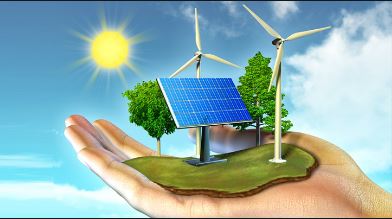
Benefits and advantages of Renewable energy sources
In this article I have described the major advantages of renewable energy sources to show the importance of renewable energy to build our economies by safeguarding the Earth and not by destroying the nature as of now.
The mankind, nature and wildlife on our planet today are facing one of the biggest crises from problems like global warming (unusual rise in temperature of our planet), greenhouse gas emissions and chemical waste. These issues are mainly caused by carbon pollution due to our abundant use of fossil fuels in power production. Renewable energy gives us the opportunity not to exploit but to safeguard the Earth
In the United States about 29 percent of global warming emissions come from the use of fossil fuels like coal and natural gas for electricity generation. In contrast, most of the renewable energy sources like solar, hydro, wind, geothermal and biomass produce little to no global warming emissions. Therefore, the top most importance of using these clean energy sources is, it would reduce the adverse impact of fossil fuels on our environment. Before I go to explain the benefits and advantages that renewable energy can provide, it is necessary to understand what does renewable energy mean.
What does renewable energy mean?
The most common definition of renewable energy is – the energy that comes from natural sources or processes that are continuously replenished and will not run out eventually. These clean energy sources are replenished by a natural process within a reasonable length of time on a human timescale at a faster rate than they are consumed i.e. using these resources today will not diminish their availability tomorrow. For all practical purposes the renewable energy sources are virtually inexhaustible.
The sunlight, wind, water, various forms of biomass, geothermal heat are some of the familiar examples of renewable energy resources, which are a naturally occurring phenomenon and are practically limitless in supply. Let’s now look into the key advantages of renewable energy sources.
You may also like to read this related post: All you need to know about nonrenewable energy sources.
Advantages of renewable energy sources
Due to tremendous health impact of use of fossil fuels we have of late realized the importance of renewable energy use. The use of renewable energy has number of advantages over nonrenewable fossil fuels for which individuals and small businesses across the globe are now increasingly going green by replacing the conventional fossil fuels based sources to the maximum extent possible.
Here are some of the key benefits and advantages of renewable energy sources switch:
- Energy sources are inexhaustible and won’t run out
Renewable energy comes from sources which replace themselves naturally making them sustainable. These sources are naturally replenished within a reasonable length of time at a faster rate than they are consumed. For all practical purposes the renewable energy sources cannot be exhausted.
- Renewable energy is environmentally friendly
Most Renewable energy sources release little or no waste products such as carbon dioxide or other chemical toxins into the atmosphere and have minimal impact on the environment, which has significant health benefits. These clean energy sources create less environmental pollution including pollution impacting our crops. Air pollution can be very harmful to agriculture with ozone and acid rain damaging the soil health.
Unlike fossil fuels renewable energy sources emit little to no greenhouse gases or harmful pollutants into the air and don’t contribute to global warming. Traditional coal-fired power stations, for example, are notorious for releasing not just carbon dioxide (CO₂) and nitrous oxide (N₂O) into the atmosphere—both potent greenhouse gases—but also mercury, lead, sulfur dioxide, particulates, and other hazardous metals. These substances can cause a range of health issues, from breathing difficulties to premature death. Moreover, air pollution from fossil fuels can contaminate waterways—both through particles settling in rain and through waste generated during electricity production.
By contrast, renewable energy avoids these risks entirely. It produces virtually no pollution, waste, or contamination that might threaten the air we breathe or the water we drink. The worldwide improvement in air quality seen during the COVID-19 lockdowns, when fossil fuel use temporarily dropped, offered a glimpse of the cleaner environment that could become the norm with a transition to renewables.
It’s important to recognize that although renewable energy sources like solar panels and wind turbines generate electricity without emitting greenhouse gases during operation, their journey from raw materials to installation isn’t entirely free from carbon emissions. The manufacturing, transportation, and setup of these technologies do involve energy—often from conventional sources—which results in some emissions. For instance, factory production of solar cells or the construction of wind turbine components requires electricity, and delivery often relies on fossil-fuel-powered vehicles.
However, there’s a crucial distinction to keep in mind. Renewable energy systems have what’s called an “energy payback period.” This refers to the amount of time it takes for the clean energy they produce to offset the emissions generated during their entire life cycle. To put it in perspective:
- Solar panels typically offset their initial energy investment and associated emissions within one to three years of operation.
- Large wind turbines can recoup their carbon footprint in as little as six months.
As technology continues to advance—and as more of our grids are powered by renewable sources—these payback periods are expected to become even shorter. Plus, with the increasing adoption of electric vehicles and greener manufacturing processes, the overall carbon footprint of renewables will shrink further over time.
There’s also encouraging progress towards recycling and reusing components from solar panels and wind turbines at the end of their lifespan. These initiatives help reduce waste, save on future energy expenditures, and lessen the need for new raw materials.
In summary, while renewable energy technologies aren’t completely carbon-free from start to finish, their environmental impact is markedly smaller compared to fossil fuels, and it’s getting even better as our clean energy infrastructure evolves.
- Can stabilize global energy prices
Switching to renewable sources for energy generation may give stability to energy prices across the globe. This is because the cost of energy from renewable sources mainly depends on the upfront cost of investments to build the system as opposed to fossil fuels, which are prone to substantial price swings depending on the availability of the resources. Once installed, the recurring operating cost of the renewable facilities being extremely low, the energy price would remain very stable at a lower level over time.
4. Renewable energy is increasingly affordable
Another major benefit of renewable energy is its rapidly declining cost, making it a highly competitive option for electricity generation worldwide. Thanks to remarkable advances in technology and large-scale production, the cost of generating electricity from sources like solar and wind has plummeted in recent years. In fact, regions with ample sunlight or consistent winds, such as the United Arab Emirates, have seen record-breaking low prices for solar power—recently as little as 1.35 cents per kilowatt-hour.
This shift in affordability has been so significant that even some of the world’s largest oil and gas companies are investing heavily in renewables. Once considered expensive alternatives, solar and wind energy are now often the cheapest options available, helping to lower utility bills for households and businesses alike. Crucially, since these technologies don’t require fuel purchases and have low operating and maintenance costs after installation, the savings are passed directly to consumers, ushering in a new era of accessible and stable energy pricing.
5.Renewable energy facilities require less maintenance
Renewable energy facilities require low to zero maintenance than traditional fossil fuel based generators that require high overall maintenance. This is mainly due to the fact that the renewable facilities like solar panels and wind turbines either have few or no moving parts and they don’t depend on combustible fuel sources to operate. Less maintenance requirements mean more money saved due to lower maintenance costs resulting in cheaper energy rate for the population.
While the long-term benefits of renewable energy are well established, one notable challenge remains: the initial capital required to get started. Setting up renewable energy infrastructure—whether it’s solar panels on a rooftop, expansive wind farms, or large-scale hydroelectric plants—often demands a significant up-front financial outlay.
The reasons behind these higher starting costs are quite straightforward:
- Infrastructure and Equipment: The technology for harnessing renewable sources, such as photovoltaic cells and wind turbines, involves advanced manufacturing and installation processes. This specialized equipment, especially when installed at scale, requires considerable investment.
- Supporting Systems: Renewable energy setups frequently need new electrical infrastructure (like power inverters, grid connections, or storage batteries) to function efficiently and reliably.
- Land and Planning: Utility-scale projects such as solar parks or wind farms typically need large tracts of land and careful planning to maximize resource capture—which can add to the costs in terms of both acquisition and development.
While these up-front expenses can be daunting, it’s important to note that the ongoing operational and maintenance costs of renewables are typically much lower than their fossil fuel counterparts. Moreover, improvements in manufacturing techniques and growing global demand have steadily driven down prices for solar modules, wind turbines, and related systems over recent years—a trend highlighted by organizations like the International Energy Agency (IEA) and Bloomberg New Energy Finance (BNEF).
This means that although the starting costs are still a barrier for some, investing in renewable energy is becoming more accessible and cost-effective with each passing year.
6. Shall help in employment generation
Renewable energy industry is more labour intensive as compared to fossil fuel based generating plants, which are capital intensive. The potential for renewables energising jobs is enormous. On an average, for each unit of electricity generation more jobs are created by renewable energy facilities than fossil fuel based plants. In the US alone, over 250,000 people work in the solar power industry, which is double the number of the coal industry.
According to International Renewable Energy Agency (IRENA), transforming energy systems based on renewables can increase global GDP by $98 trillion by 2050, creating 63 million new jobs globally in renewable and energy efficiency. In India estimates find about 1.3 million full-time jobs can be created by 2022 through achieving 160 GW from renewable energy.
7. Incentives and tax benefits can be availed by small businesses
Renewable energy can be highly beneficial for small businesses. Small businesses can take advantages of attractive incentives and tax benefits being offered by the government for switching over to renewable energy from their current conventional energy sources, to meet their energy needs.
You may also like to read this related post: What is the difference between renewable and nonrenewable resources?
Before I conclude let me also reply to some frequently asked related questions.
Why renewable energy is important for the future?
Renewable energy is important for the future because its increasing deployment is crucial for tackling greenhouse gas emissions, reducing air pollution and expanding energy access.
What is the outlook for renewables in meeting global energy needs in the future?
The future looks promising for renewable energy as a primary solution to meet the world’s growing energy demands. Although renewables face certain obstacles—such as intermittency, storage challenges, and the current limits of infrastructure—ongoing advances in technology are bridging these gaps at a steady pace. By integrating various sources like solar, wind, hydropower, geothermal, and biomass, we are moving closer to building a resilient and sustainable energy system.
Collaboration between countries, innovative storage solutions, and incentives from organizations like the International Energy Agency (IEA) and the International Renewable Energy Agency (IRENA) are accelerating the global transition to clean energy. With continued investment and supportive government policies, renewables have the potential to supply most—if not all—of our power needs in the future, significantly reducing our dependence on fossil fuels and minimizing environmental impact.
What are disadvantages of renewable energy
One of the disadvantages of renewable energy is that it is difficult to generate from renewable sources the same amount of electricity that is produced by the traditional fossil fuel generators. This means we need to build more energy facilities to meet our energy needs.
Reliability of supply is another disadvantage of renewable energy sources. Power generation from renewable sources often rely on the weather conditions. Generation of solar power from sunlight needs clear skies, Wind turbines need adequate wind to turn the blades and Hydro electricity generation needs rains to fill the dams to supply flowing water for the turbines.
Additionally, the efficiency of these renewable systems is closely tied to their location and surrounding environment. For instance, wind turbines are most effective in large, open regions with strong and consistent winds, making them less viable in areas where wind is inconsistent or weak. Similarly, while solar panels can generate some electricity even on cloudy days, their output is maximized in places with abundant sunlight. For example, a solar installation in a sunny region like Rajasthan or California will be far more productive than the same setup in regions with frequent cloud cover or fewer sunlight hours. This means that in locations with less favorable environmental conditions, more infrastructure—such as additional panels or turbines—must be built to achieve the same level of power generation.
These geographic and environmental dependencies can pose challenges for widespread adoption, especially in regions where natural resources are less predictable or abundant.
This dependence on nature means that electricity production from renewables can be unpredictable and intermittent. For example, solar panels lose efficiency on cloudy days, while wind turbines may stand still during periods of calm weather. Even hydropower is subject to reduced output during droughts or inconsistent rainfall. These fluctuations can make it difficult to match energy supply with demand at all times.
Furthermore, when renewable systems generate more electricity than is needed—such as during particularly sunny or windy periods—there is a risk of overloading the power grid. Countries with high adoption of renewables, like Australia, have faced challenges where too much solar energy entering the grid requires new regulatory measures to maintain a stable supply for everyone.
Unlike traditional fossil fuel power stations, which can ramp their output up or down as needed, renewable energy often requires substantial investment in grid upgrades, energy storage solutions, or backup power sources to ensure a consistent supply. These costs and complexities are ultimately passed on to consumers and must be accounted for when planning widespread renewable energy adoption.
What challenges exist with storing energy generated by renewables?
One of the ongoing challenges with renewable energy lies in storing the electricity produced. Unlike fossil fuels, renewables such as wind and solar are dependent on natural variations—when the sun isn’t shining or the wind isn’t blowing, power production drops, regardless of demand. To bridge this gap, effective storage solutions are essential so that excess energy generated during peak periods can be saved and used later when conditions aren’t as favorable.
Currently, large-scale batteries—like the impressive systems deployed in places such as South Australia and California—are seeing significant advancements. These innovations have already helped stabilize electricity supply and reduce energy costs in several regions. That said, energy storage technologies still face certain hurdles. They can be expensive to install, and questions remain about how long these systems will last and how reliably they’ll perform over many years.
As technology continues to advance, costs are expected to come down and durability to improve. Still, for now, storing renewable energy on a massive scale is a work in progress, with ongoing efforts globally to make these solutions more affordable and accessible.
What are some ways to reduce your carbon emissions if switching to renewables isn’t feasible?
If transitioning fully to renewable energy isn’t immediately possible for you, there are still several practical steps you can take to reduce your carbon emissions:
- Request green energy options from your utility: Many electricity providers offer the choice to purchase power generated from wind, solar, or other renewables. Checking with your local utility to see if you can opt into a green energy program is a simple way to make a positive change.
- Purchase renewable energy certificates (RECs): RECs allow you to support renewable energy projects indirectly, even if the electricity you receive isn’t directly from renewable sources. Many reputable organizations, such as Green-e or The Gold Standard, provide certified RECs for purchase.
- Join or support community solar initiatives: Community solar projects let you invest in, or subscribe to, locally-generated solar power if you can’t install panels on your own property. These programs are increasingly available in various regions.
- Focus on reducing your overall energy consumption: This can be as straightforward as upgrading to energy-efficient appliances, utilizing LED lighting, improving home insulation, unplugging electronics when not in use, or simply being mindful of turning off lights and devices when they’re not needed.
Small, consistent changes not only help cut your carbon footprint but can also lead to significant energy savings in the long run. Most importantly, keep in mind that reducing your overall electricity and gas use is the single most effective way to lower emissions—regardless of how your power is generated. Even if switching to renewables isn’t an option right now, prioritizing energy efficiency and mindful consumption makes a real impact. By taking simple steps—like opting for green energy from your utility, purchasing renewable energy certificates from organizations such as Green-e or The Gold Standard, or joining a local community solar project—you can support cleaner power and move closer to a more sustainable lifestyle.
Conclusion
On going through the key advantages of renewable energy sources described above it would be evident that the renewable energy sources are inexhaustible, safe and sustainable.
To meet our growth needs majority of us around the world rely heavily on nonrenewable fossil fuels like oil, natural gas and coal for our energy requirements. These sources are, therefore, going to exhaust eventually as they cannot renew naturally at a quick enough pace to keep up with their human consumption. From this perspective the importance of renewable energy sources can easily be gauged, which provides an environmental friendly energy security option at a time when depleting global reserves of fossil fuels threatens the long-term sustainability of global economy.
Moreover, besides providing energy security, use of these clean sources instead of sources based on fossil fuels to meet our energy needs, will give us an excellent opportunity for mitigation of greenhouse gas emissions and reducing global warming caused by the conventional energy sources.
You may also like to read this related post: Fossil fuels pros and cons

bestringtoness.com
Sep 24. 2019
And here is one very important factor: population growth. As the population grows upwards towards nine billion people over the next 50 years, the world s energy demands will increase proportionately. Not only will it be important for renewable energy to keep up with the increasing population growth, but it must outpace not only these demands but begin replacing fossil fuel energy production if we are to meet future energy needs.