Major disadvantages of fossil fuels.
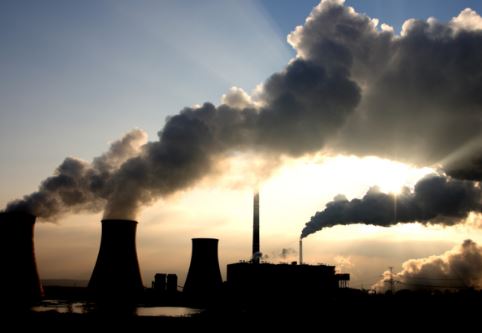
Fossil Fuels pros and cons you need to know
Fossil fuels are the primary source of energy in most parts of the world. According to U.S Energy Information Administration (EIA), 80% of the primary energy consumption in the U.S. is powered by fossil fuels. In this article I have discussed about the fossil fuels pros and cons which will give you a clear picture of this energy resource to understand why our future energy needs cannot rely on these energy sources
Because of several harmful effects of fossil fuels on the environment and human health it is often debated if it is safe to continue using these fuels for everything from power generation to cooking, heating and more in our everyday life. It is, therefore, imperative to know about the major disadvantages of fossil fuels in order to have a clear understanding why we need to use environment friendly renewable energy sources alternatives to fossil fuels. But before we go into the fossil fuels pros and cons let’s first look into how fossil fuels are formed.
How fossil fuels are formed?
Fossil fuels such as coal, oil and natural gas are formed from the dead and buried remains of plants and animals that lived millions of years ago. Because of this natural process of formation of fossil fuels, which takes an impracticable long time to create more, we call them non-renewable. These dead organisms, buried over time, turned into sedimentary rocks by mixing with sand and mud. These rocks ultimately are converted to various fossil fuels such as coal, oil, and natural gas under different conditions after being exposed to extreme heat and pressure in the earth’s crust over millions of years. Fossil fuels are basically hydrocarbons and contain high levels of carbon.
What is the difference between fossil energy and renewable energy?
Fossil energy and renewable energy stand apart in some fundamental ways, beginning with their sources and long-term availability. Fossil fuels—like coal, oil, and natural gas—are drawn from the earth after forming over millions of years from ancient plant and animal matter. Because the production process takes so long, once we use up what’s there, it’s gone for good; that’s why we call them non-renewable. On the other hand, renewable energy sources are constantly replenished by natural processes and are, in practical terms, inexhaustible.
Key differences to consider:
Origin:
> Fossil fuels are extracted from deep underground, the product of countless years of geological activity.
> Renewable energy taps into ongoing natural cycles—think sunlight, wind, flowing water, and heat from the earth’s core.
Availability:
> Fossil energy reserves are finite; once depleted, they can’t be replenished within a human timeframe.
> Renewable resources, such as the sun and wind, are available virtually everywhere and aren’t at risk of running out any time soon.
Environmental Impact:
> Burning fossil fuels releases greenhouse gases and pollutants, raising concerns about climate change and air quality.
> Renewable energy sources generally produce little to no direct emissions, making them much cleaner options for the environment.
Consistency:
> While fossil fuels provide steady, “always-on” power, renewables depend on natural conditions—they produce energy when the sun shines, the wind blows, or water flows. This means renewables can be intermittent and may require energy storage or backup systems.
Despite these differences, both fossil-based and renewable energy sources currently play crucial roles in our daily lives. Understanding how each works—and what it costs environmentally and economically—helps us make better choices as we look to a cleaner energy future.
Fossil fuels pros and cons – facts we need to know
Because of major disadvantages of fossil fuels, like their negative impact on global climate and human health, it is true that we are talking about immediate switching over to renewable sources as alternatives to fossil fuels. But in our day to day use there are several advantages of fossil fuels which make them still stand out in energy production. Let’s, therefore, go into the fossil fuels pros and cons so that we can make well-informed decisions about switching over to environment friendly renewable energy sources.
Pros of fossil fuels
Following are the major advantages of fossil fuels for which these energy sources still continue to be the primary source of energy for the vast majority of the world.
1. Cheap source of energy
One of the main advantages of fossil fuels is that statistically they are actually one of the cheapest forms of available energy resources.
Notwithstanding the fact that government incentives are one of the factors for relatively lower cost of fossil fuels, considerable reduction in the cost of extraction of these resources than what it was earlier, has also substantially contributed to the overall cost reduction of this energy resource. With the use of innovative technologies, today the extraction of fossil fuels has been possible with a high degree of efficiency. In fact, the cost of extraction of fossil fuels is now much less than installing the renewable power sources.
2. Reliable source of energy
Fossil fuels are a very reliable source of supply. With our current infrastructure, alternative sources of power like solar and wind are not widespread enough to supply all our energy needs as reliably as fossil fuels. Fossil fuels can be used day and night as a source of power and they aren’t held up like wind and sun, by weather conditions. Fossil fuels are extremely useful to supply base-loads as compared to other not-so-reliable renewable energy sources.
3. Easily available resource
Easy availability is one of the major pros of fossil fuels. Fossil fuels are found in plenty in most part of the world which satisfy the demand of almost all the countries. Some countries have vast resources of coal, while some have high resources of oil and natural gas. With the help of advanced technology and equipment it is now quite easy to locate the fossil fuel reservoirs and to harness energy.
A recent statistics shows that global reserves of fossil fuels stand at about 1,200 billion tons of coal, about 1,800 billion barrels of crude oil and about 185 trillion cubic meters of natural gas.
Because of their affordability and abundance, fossil fuels have become the primary energy source of most part of the world.
4. Easier to transport
Transportation of fossil fuels that are in liquid or gaseous forms can be done easily and safely over long distances. Underground pipelines are usually laid to transport oil or gas very efficiently. Low cost of transportation of fuels right to the place where we need to use them is one of the major factors why fossil fuels are still the main energy supplier for the vast majority of the world.
5. Highly efficient energy resource
Fossil fuels have a very high calorific value, which is also one of the major pros of fossil fuels. Because of this high calorific value, fossil fuels are considered one of the most efficient energy resources as compared to other sources of energy. These fuels are so high in energy density (output per unit of volume or mass) that we require much less of these resources to produce a lot of energy we need.
The average efficiency of a coal fired power station is around 35% while efficiency of an oil-fired station is around 45% and a gas fired station has an efficiency of around 52%.
No renewable energy sources can even come closer to the efficiency of fossil fuels.
6. Easy to set up fossil fuel plants
Unlike renewable energy, which is dependent on the availability of the energy sources like sun, wind and water, a fossil fuel plant can be set up in almost any location as long as the supply of fossil fuels is ensured. Being easy to transport on long distances it is not difficult to ensure continuous supply of fossil fuels to the power plants.
7. Generates employment
Notwithstanding the fact that future energy sector job growth may be driven primarily by renewable sources of energy, it cannot be denied that fossil fuels have created numerous jobs in the US energy industry. According to a report by the U.S. Department of Energy, in 2016 about 56% of energy industry jobs involved in power generation stemmed from oil, natural gas, and coal. This shows that fossil fuel driven energy sector is a big source of employment which is also one of the major advantages of fossil fuels.
Cons of fossil fuels
Now let’s see the major disadvantages of fossil fuels. Here is a list of cons of fossil fuels which are likely to make these energy sources undependable for future energy generation in most part of the world.
1. Pollute the environment and affects human health
Environmental pollution is one of the major disadvantages of fossil fuels. The US Environmental Protection Agency finds fossil fuels cause 78% global greenhouse gas emissions.
Combustion of fossil fuels releases carbon dioxide, which is a harmful gas. When released into the atmosphere carbon dioxide causes greenhouse effect leading to global warming which is becoming a big problem affecting our planet today. Global warming has been associated with acid rain which is very dangerous for all the living species on the earth.
One of the recent research findings has also isolated the impacts of fossil fuel soot on global warming. Soot is the particle that comes out from the combustion of diesel, jet fuel etc. One particular type is called black carbon – the dark, smoky soot that emerges, for instance, from diesel vehicle. The other kind is called brown carbon, which is brownish or grey pollution. From research findings it emerged that soot is the second leading cause of global warming after carbon dioxide – a stronger factor than methane. It has been found that soot severely affects people’s health.
Burning fossil fuels also releases harmful particles like sulphur dioxide and heavy metals into the atmosphere.
Emissions of greenhouse gasses and release of other toxic elements into the atmosphere cause serious health complications for humans such as bronchitis, asthma, low lung functioning, and cardiovascular diseases.
Coal mining workers face serious health hazard since the coal dust is known to stay within their lungs causing difficulty for them to breath. Coal mining and oil drilling are, in fact, costing as many as hundreds of lives in a single year.
WHO has linked 7 million premature child deaths a year to air pollution and estimated that the yearly health cost of treating air pollution related health issues is around $100 billion.
Fossil fuels are, therefore, hazardous to the overall health of all the living creatures on the earth, and ending its use can save our planet.
Which fossil fuel pollutes the most?
Among all fossil fuels, coal stands out as the dirtiest option when it comes to environmental impact. From the moment coal is mined, it introduces pollution—coal mining operations notoriously damage ecosystems, contaminate groundwater, and generate dangerous dust that impacts nearby communities.
But the real problem begins when coal is burned in power plants. The combustion of coal not only releases massive amounts of carbon dioxide—far more than oil or natural gas—but also emits a cocktail of other pollutants, including sulphur dioxide, mercury, and harmful particulates. In fact, burning coal produces about 50% more carbon dioxide per unit of energy than natural gas and 30% more than oil.
Historically, coal-powered electricity has played a huge role in industrial growth, with early power plants in cities like London and Manhattan tracing back to the days of Thomas Edison. Even today, countries such as China, the United States, and Germany still rely heavily on coal power. Globally, coal-fired plants remain a primary driver of carbon emissions, contributing to nearly 40% of energy sector CO₂ emissions each year.
Given these facts, it’s clear that coal is the most polluting fossil fuel in widespread use—a legacy energy source responsible for a significant portion of the world’s environmental and health challenges.
2. May cause environmental damage by oil spills
Oil spilling while transporting oil from one place to another is one of the major disadvantages of fossil fuels .
While transporting, spilling of oil into the sea and on the nearby coast from the tankers, on being crashed or grounded, cannot be ruled out. In fact, several such oil spills have occurred in the past, especially in the United States. Such oil spills on the land and in the sea can cause considerable damage to the environment. This can also pose hazards to the aquatic animals including those living offshore. Crude oil contains some toxic substances which when mixed up with water may severely endanger aquatic life. Oil spills may not occur frequently, but when they do they can kill hundreds of animals.
3. Fossil fuels are not renewable resources
Fossil fuels are not renewable and are finite resources. Non-renewable energy resources are not replenished naturally at a quick enough pace to keep up with their human consumption and they are destined to deplete eventually. As already explained formation of fossil fuels typically takes millions of years.
According to a report of California Energy Commission, at our current usage rate fossil fuels are projected to run out in the next 50 years, which means once depleted we have to wait for indefinite period for formation of new fuels. To put things into perspective, the BP Statistical Review of World Energy 2020 estimates that there are roughly:
- 139 years of coal reserves (about 1,074 billion tons),
- 48.8 years of natural gas (188,100 billion tons),
- 53.5 years of oil (244.4 billion tons).
These numbers might look substantial at first glance, but given the ever-increasing global demand, it becomes clear that our reliance on these non-renewable resources is unsustainable in the long run. Depletion of global reserves of fossil fuels also threatens the long-term sustainability of global economy.
However, good thing about this is – it is forcing us to think about energy sources, alternatives to fossil fuels, which would eventually result in the growth of renewable and clean energy sources.
4. Susceptible to price fluctuations
Price fluctuation is also one of the major disadvantages of fossil fuels.
Fossil fuels are highly susceptible to price fluctuations. The impact of such fluctuations is greatly felt by the developing countries that are heavily dependent on import of fossil fuels.
Few countries of Middle East are responsible for 40% of world’s oil production and hold the majority of the world’s oil reserves. These countries adjust their oil productions so as to maintain the oil price at a level as desired by them. According to the U.S. Department of Energy such price adjustments by the oil producing countries result in worldwide price fluctuations.
Frequently asked questions
Before I conclude the discussion on major fossil fuels pros and cons let me also address some of the related questions often asked by the people.
Can fossil fuels be replaced?
Due to gradual fall in costs of renewable energy, it has already started to replace fossil fuels in electricity generation. In fact, wind and solar power are the cheapest forms of electricity virtually anywhere in the world now.
Renewable electricity is now cheaper per unit than oil and about the same price as fossil methane but, still, more expensive than coal.
What is geothermal energy and what are its different forms?
Geothermal energy is a type of renewable energy that harnesses heat stored beneath the earth’s surface. Unlike wind or solar, it isn’t dependent on the weather—this makes it a reliable source of power, operating day and night, rain or shine.
There are several forms of geothermal energy based on how deep the heat is sourced and the temperatures involved:
- Shallow geothermal: Here, heat is extracted from close to the surface, typically less than 200 meters deep. The temperatures at this level hover around 30°C. This type is often used for heating buildings through ground source heat pumps.
- Low-temperature geothermal: This form involves tapping into water reservoirs at depths up to about 2,000 meters. The water temperatures range from 30°C to 90°C. It’s useful for district heating systems and some industrial processes.
- High-temperature geothermal: For this, wells are drilled deeper—often beyond 1,500 meters—to reach rocks or fluids with temperatures exceeding 150°C. Such high heat is mainly used to drive turbines and generate electricity. Countries like Iceland and the United States make significant use of high-temperature geothermal resources for power generation.
By utilizing the heat lying beneath our feet, geothermal energy can play an important role in diversifying our energy mix and reducing dependence on fossil fuels.
What is biomass energy and how does it work?
Biomass energy is generated from organic materials such as wood, crop residues, and agricultural or animal waste. Instead of leaving these materials to decompose, they can be burned directly for heat or converted through processes like methanization to produce energy.
Here’s how it typically works:
- Organic matter is collected and either combusted directly or broken down by bacteria (in the absence of oxygen) to produce biogas.
- The heat or gas produced is then used to generate steam.
- This steam drives turbines, which in turn power generators to produce electricity.
One of the key advantages of biomass energy is its reliability. Unlike solar or wind, it doesn’t depend on the weather or time of day, making it a stable energy source. However, it’s important to note that, although cleaner than traditional fossil fuels, burning biomass still releases some carbon dioxide—though theoretically less, since the carbon emitted is offset by the plants’ absorption during growth.
Biomass is already in use in countries like Sweden and Brazil, supplementing national energy grids and helping to reduce dependence on oil and coal.
What are the main types of renewable (green) energy?
Now that we’ve examined why moving away from fossil fuels is necessary, let’s take a look at the main alternatives making headlines — and powering homes — across the globe. Renewable, or “green,” energy sources are naturally replenished and far less likely to run out (at least within any human-relevant timeframe). Here are the key players:
- Hydroelectric Power: Using the force of moving water, typically harnessed by dams or river flows, hydroelectricity stands as one of the oldest and most significant sources of clean energy. For instance, in France, hydropower remains the leading source of renewable electricity, accounting for nearly half of its green energy production.
- Wind Energy: Wind turbines—those sleek giants dotting landscapes and ocean horizons—convert the kinetic energy of the wind into electricity. Both onshore (land) and offshore (sea) wind farms are gaining popularity in countries like Denmark, Germany, and the United States.
- Solar Energy: The sun doesn’t send a bill, and solar panels are taking full advantage of that. Solar power can be divided into two categories: photovoltaic (which turns sunlight directly into electricity using solar cells) and solar thermal (which uses sunlight to heat water or air). The ongoing drop in panel prices has made solar installations more accessible for both individual homes and massive solar farms.
- Biomass Energy: This type taps into organic matter—think wood, crop residues, or even household waste—and converts it into energy through combustion or biological processes like fermentation. Biomass offers steady, non-intermittent power and can play a big role in both rural and urban settings.
- Geothermal Energy: By harnessing the heat trapped beneath the Earth’s surface, geothermal systems can deliver energy day and night, rain or shine. Depending on how deep the heat is extracted, geothermal projects can supply anything from heating for homes to industrial-scale electricity generation.
Each of these resources comes with its own set of advantages and challenges, but together they form the backbone of a future less reliant on fossil fuels and kinder to our health and environment.
How is solar energy produced, and what are the different types?
Solar energy, as the name suggests, harnesses the sun’s radiation and converts it into usable power right here on Earth. But how exactly does this happen?
Solar energy production typically involves two main methods:
- Photovoltaic (PV) Energy: This method makes use of solar panels—those neat, shiny rectangles you see popping up on rooftops and in fields. These panels are made up of photovoltaic cells (often silicon-based) that absorb sunlight and directly convert it into electricity. Thanks to advances in technology and a significant drop in the price of solar panels since 2009, PV solar systems have become an increasingly popular choice for homeowners and businesses alike, especially in places like California, Germany, and Australia where the sun is generous.
- Solar Thermal Energy: Instead of generating electricity, this method captures the sun’s heat. Solar thermal collectors are designed to absorb sunlight and use it to heat water or air for domestic use, industrial processes, or even to help generate power in larger thermal plants. For instance, solar water heaters have seen substantial growth since the mid-2000s, providing an eco-friendly alternative for heating needs.
Both systems capitalize on the sun’s free and abundant energy, yet they serve different functions—one creates electricity, while the other provides heat. Combined, they play a key role in our transition towards a cleaner, more sustainable energy future.
How is wind energy generated?
Wind energy is produced by capturing the natural movement of air and converting it into usable electricity. Large turbines, which you might see both on land (onshore) and out at sea (offshore), operate on a straightforward principle: as the wind turns the blades of the turbine, that motion spins a shaft connected to a generator. The generator then transforms this mechanical energy into electrical power—without the harmful emissions associated with fossil fuels.
Wind farms, whether they stretch across wide-open prairies in Texas or dot the coastlines of Denmark, can collectively generate significant amounts of clean energy. This process not only reduces our dependence on non-renewable energy sources but also supports a shift towards a more sustainable, greener future.
How is hydraulic (hydroelectric) energy produced?
Hydraulic, or hydroelectric, energy is generated by converting the movement of water into electricity. Large dams are often built across rivers to create reservoirs, storing vast amounts of potential energy. When electricity is needed, water from these reservoirs is released, and as it flows downward with gravity, it passes through turbines located within the dam.
The flowing water turns the blades of the turbines, which then spin a generator to produce electrical power. The greater the height and volume of the water, the more potential energy can be harnessed. This method allows for a renewable and relatively clean source of energy, and is why countries with significant river systems—like Norway and Canada—rely heavily on hydropower for their electricity needs.
What is environmental impact of fossil fuels?
When fossil fuels are burned, they release carbon dioxide and other greenhouse gases, which in turn trap heat in our atmosphere, making them the primary contributors to global warming and climate change.
Among the main fossil fuels—coal, oil, and natural gas—natural gas stands out as the least polluting option. When burned, natural gas produces significantly less carbon dioxide than coal or oil—releasing about 25% less CO₂ compared to oil, and roughly half as much as coal. This lower emissions profile makes it a somewhat cleaner choice for electricity generation and heating.
Countries like Russia, the United States, Canada, and Qatar are leading producers of natural gas. In some regions, natural gas power plants continue to play a role in the energy mix, often serving as a bridge as more renewable sources come online. However, while it may generate fewer pollutants than coal or oil, it is still a finite, non-renewable resource and contributes to greenhouse gas emissions. The ongoing challenge remains to transition fully to cleaner, renewable alternatives wherever possible.
You may also like to read: Biofuels Pros and cons
Conclusion
It would be evident from the comparison of fossil fuels pros and cons discussed above that despite several advantages of fossil fuels, these fuels are hazardous for our planet. Environmental pollution is one of the major disadvantages of fossil fuels which can severely endanger overall health of all the living creatures on the earth. According to the U.S. Energy Information Administration, the burning of fossil fuels was responsible for 76 percent of U.S. greenhouse gas emissions in 2016.
Therefore, although there are several pros of fossil fuels there is a need to think about ending the use of these energy sources considering the their major disadvantages particularly its air pollution related health issues. In order to save our planet we need to think about using other environment-friendly renewable sources of energy, alternatives to fossil fuels.
Moreover, as already explained above, the formation of fossil fuels typically takes millions of years for which they are unsustainable and cannot be expected to cater the world forever.
