Get the real answer – is solar renewable or nonrenewable?
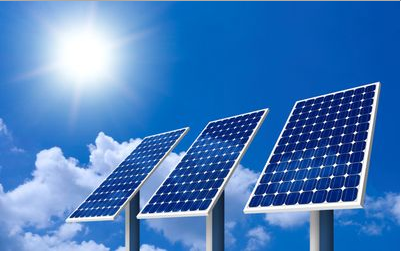
Is Solar Energy Renewable or Non-renewable?
More and more people in the USA are now going for Solar power for their homes and businesses and the question that is often coming up is – is solar energy renewable or non-renewable? The short answer to this query is, the sun is a renewable energy resource and solar energy is renewable.
Now, why is solar energy renewable? I have, in this post, discussed everything about solar energy to explore what makes solar energy renewable.
For a better understanding of the facts to clarify- is solar renewable or nonrenewable, we first need to know the difference between renewable and non-renewable resources.
What is the difference between renewable and non-renewable resources?
A renewable resource is a term that speaks for itself. It refers to any energy source which is provided by nature and is replenished naturally. These energy sources are sustainable and replenished naturally within a reasonable length of time on a human timescale at a faster rate than they are consumed i.e. using these resources today will not diminish their availability tomorrow. For all practical purposes, renewable energy sources are virtually inexhaustible.
Examples of renewable energy sources are – Sunlight, Wind, Water, Biomass, and Geothermal, which are naturally occurring phenomena and are practically limitless in supply.
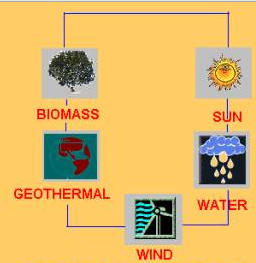
Renewable Energy Resources
A non-renewable energy source is a source of economic value that cannot be readily replaced by natural means at a quick enough pace to keep up with their consumption. Though non-renewable fossil fuels like coal, oil, and gases also replenish naturally, their formation takes millions of years, which makes them unable to replenish at a sufficient rate in meaningful human time frames. These resources would, therefore, run out one day if they are continually extracted at the rate humans use them today.
Examples of non-renewable energy sources are Coal, Oil, Natural gas, and Uranium. These resources are consumed by us much faster than nature can create them. Eventually, they will be exhausted altogether sooner or later and hence we cannot sustain our reliance on them indefinitely.
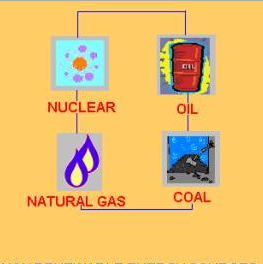
Non-renewable Energy Resources
Is Solar energy renewable or non-renewable?
From the definitions of renewable and non-renewable resources given above it is clear that if using a resource today doesn’t reduce its availability tomorrow, then it is a renewable resource. The sun being an inexhaustible energy source it is apparent that we cannot think of solar energy as anything other than renewable while answering the query, is sun renewable or nonrenewable?
It is true that in the final analysis, there is no such thing as pure 100% renewable energy. Almost all renewable energy sources to some extent depend on fossil fuels or other non-renewable resources.
In the case of solar power, also a range of sophisticated technologies such as solar photo-voltaic, solar heating, concentrated solar power, solar power dish, etc. are used for efficient conversion of solar energy to electricity. These technologies are manufactured in facilities powered primarily by fossil fuels. Again, transportation and installation of these solar kits also need the help of equipment powered mainly by fossil fuels. It is, therefore, not easy to say emphatically that solar power is renewable while answering – is solar power a renewable resource? It is rather difficult to assert that solar power, or for that matter production of any form of energy, is entirely renewable.
Nevertheless, scientists believe that in spite of the above facts solar energy can be termed as renewable because solar radiation has grown and extended to a point that the amount of renewable energy it generates much exceeds the amount of non-renewable energy required for fabrication and installation of technologies required for conversion of solar radiation to usable energy.
Let’s also examine from the point of view of sustainability – is solar power a renewable resource?
Solar energy is a sustainable energy and is inherently more sustainable than fossil fuel energy sources. According to the United Nations, sustainability means “development that meets the needs of the present without compromising the ability of future generations to meet their own needs.” Solar energy embodies this widely accepted definition of sustainability because the sun’s radiated energy can be used indefinitely without diminishing its future availability
Solar energy refers to the energy that is harnessed from solar radiation for use as heat and light for useful purposes. Sustainable energy sources meet the needs of the present without diminishing their future availability. Solar energy is sustainable because the sun will keep shining and continue to give light and radiate heat to the earth at least for the next 5 to 6 billion years. Hence, the energy from the sun can be used indefinitely and there is no way we can over-consume this abundant energy source.
Therefore, from the sustainability point of view, there should not be any doubt that by definition solar energy is the world’s fundamental renewable power source and is virtually inexhaustible.
How does Solar Energy qualify as a native energy resource for all nations?
One of the remarkable aspects of solar energy is its status as a truly native energy resource. Unlike fossil fuels, which are often concentrated in particular regions and subject to geopolitical tensions and trade routes, sunlight is universally available. Every country, regardless of its location on the globe, receives solar radiation—albeit in varying amounts.
Even nations with comparatively modest sunshine, such as Scotland or Norway, are capable of harnessing solar energy. Thanks to advancements in solar panel technology from organizations such as the International Energy Agency, efficient solar systems can now generate electricity reliably even in areas that experience frequent cloud cover or have shorter daylight hours. This means that no country is entirely dependent on imports or exports to tap into the sun’s power.
With sufficient investment in solar panels and appropriate infrastructure such as energy storage and a robust grid, any nation can leverage solar energy for its domestic needs. Solar power offers energy independence, as it can be locally sourced to support national grids, minimize energy import bills, and enhance long-term security and resilience. In this way, solar energy stands out as a democratic and accessible solution for sustainable power generation worldwide.
What is the carbon payback period for solar panels?
Although manufacturing solar panels currently depends in part on fossil fuels—especially during the energy-intensive process of refining raw materials—these panels quickly make up for their initial environmental impact. Research shows that the typical solar panel “repays” the carbon dioxide emitted during its production in about five years or less. After this carbon payback period, solar panels continue to generate clean, emissions-free electricity for the remainder of their average 25-year lifespan. In other words, for roughly 20 years or more, a solar panel is actively reducing greenhouse gas emissions, offering long-term environmental benefits far beyond its initial manufacturing footprint.
Carbon footprint of Solar Energy versus Coal
When examining the environmental impact of energy sources, it’s important to consider the carbon footprint produced over each system’s full lifecycle. Research conducted by organizations such as the National Renewable Energy Laboratory (NREL) shows that, over its operational life, a solar power system typically emits around 40 grams of carbon dioxide equivalent per kilowatt-hour of electricity generated.
In sharp contrast, electricity generated from coal can exceed 1,000 grams of carbon dioxide equivalent per kilowatt-hour. This dramatic difference highlights just how clean solar energy is, even when taking into account the emissions involved in the manufacturing, transportation, and installation of solar panels.
While current solar panel production often relies on fossil-fueled facilities—particularly for refining raw materials—their environmental payback is remarkably swift. Most solar panels become “carbon neutral” within about five years of operation, meaning they have offset the energy (and associated emissions) used in their manufacture. For the remainder of their expected lifespan—commonly 20 to 25 years—they deliver carbon-free electricity.
Solar power, then, is not only abundant and sustainable, but also offers a significantly reduced carbon footprint compared to traditional fossil fuels such as coal. This makes it one of the most effective options available today for households and businesses eager to shrink their environmental impact and transition toward a cleaner energy future.
Is sunlight renewable or nonrenewable?
As explained above, at face value, the energy radiated by the sun is totally renewable. Nevertheless, it is also true that the nuclear fusion inside the sun, which produces this energy, cannot continue everlastingly. Therefore, it can not be emphatically answered in a single sentence when people ask – is solar energy renewable or non-renewable?
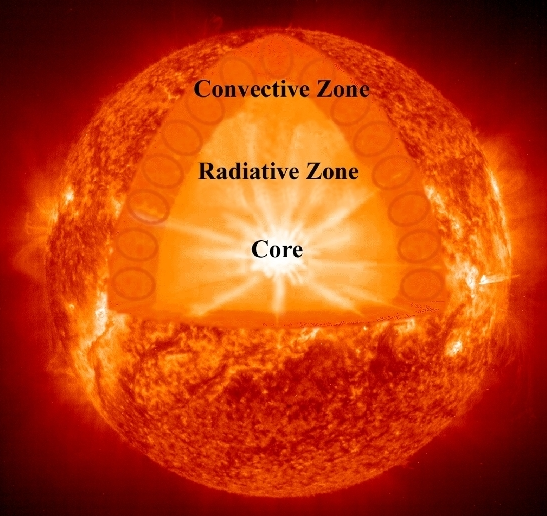
In the core of the Sun, hydrogen is converted into Helium. This is called nuclear fusion. During this process, some of the mass of the sun is converted into energy and this energy is eventually radiated away in the form of light from the Sun’s surface. Thus the Sun is losing mass steadily by just giving off light and eventually, it will get to the point where energy production will cease.
The life stages of a star depend mainly on one factor – its mass. In an absolute sense, therefore, solar energy could be deemed as non-renewable because, like all other stars, the sun will become unstable due to the loss of a major portion of its mass and eventually fade away after going through various phases (it will swell up to a red giant and engulf the earth). But this process would take billions of years, and scientists estimate that the expected life of our sun is about 5 billion years. That’s longer than any human can really imagine – thousands of times longer than humans have existed. Thus, the sun will keep shining and radiate heat through sunlight every day and isn’t going to burn out any time soon.
So, although the sun is not truly an infinite resource when people ask – is sunlight renewable or nonrenewable, solar energy radiated by sunlight will be available for many millions of years of generations. Solar energy is, therefore, considered a practically inexhaustible resource in relation to human time’s scale.
Is solar energy renewable from the point of availability?
In spite of its abundance, there is a downside also to this energy source regarding its availability. It is not available on a 24-hour basis because apart from the sun setting at day’s end, the amount of sunlight also varies depending on the weather conditions. But that doesn’t mean it should be labeled as non-renewable while judging – is solar energy non-renewable or renewable? It only means that we can’t depend on this resource round the clock in the same manner as we can on the wind, water, and geothermal heat.
Nevertheless, it won’t be such a big issue further down the road because there have been advancements in storage technologies that could harvest solar energy and put it to work throughout the no-sunlight period after sundown. From the above facts, it is easy to infer why is solar energy renewable in every practical sense.
Frequently asked questions
It is hoped that the above discussion would clear any confusion when people ask – is solar energy renewable or non-renewable? Now let me answer some of the related questions often asked by people:
How does solar energy work?
In the core of the Sun, hydrogen is being converted into helium which is called nuclear fusion. Nuclear fusion inside the sun produces energy.
When sunlight containing this energy, which is composed of minuscule particles called photons, hits the thin layer of semiconductive material of solar cell of solar panels made from silicon, the energy from the photons is transferred to the loose electrons in the silicon atoms. The energized electrons are then able to escape their bond with the atoms. The negatively charged electrons are then attracted to the positively charged side of the cell. This “photovoltaic effect” forms, as a result of the free-flowing electrons within the solar panel. The moving electrons create an electric current which is then harnessed by the wiring connected to the solar panels to produce electricity for use in our homes.
You may also like to read: How solar panels work step by step
What are the uses of solar energy?
Solar energy is generally used for the following purposes:
>For room heating, water heating, and cooking (solar cookers);
>To generate electricity with solar cells to use at home and businesses;
>For de-salting sea water;
>For drying clothes;
What is Net metering and how can surplus solar energy be sold back to the grid?
Net metering is a clever system that allows solar panel owners to make the most of the electricity they generate. Here’s how it works:
When your solar panels produce more electricity than your household uses—say, on a sunny afternoon when the house is empty—the excess isn’t wasted. Instead, it’s sent back into your local power grid.
Electric companies like PG&E, Duke Energy, and Con Edison will actually keep track of this extra power. In return, you receive credits on your electricity bill. Think of it as rolling your extra solar “good deeds” forward to times when your panels aren’t producing as much, such as at night or on cloudy days. When you draw electricity from the grid, these credits help offset your costs, sometimes lowering your bill to nearly zero. In a handful of states, you might even earn Solar Renewable Energy Credits (SRECs), which can be sold for extra income if you generate a lot of surplus power that helps supply your local utility.
In essence, net metering turns your rooftop into a mini power plant—cutting your carbon footprint, saving you money, and even putting a dent in your energy bills when your panels are humming along at full tilt.
What are Solar Renewable Energy Credits (SRECs) and how do they work?
Solar Renewable Energy Credits, commonly known as SRECs, are a type of incentive designed to make solar energy even more appealing. Here’s how they work: Each time your solar panel system generates one megawatt-hour (MWh) of electricity, you earn one SREC. Rather than simply enjoying the energy savings from your panels, you can sell these credits to utility companies that need them to meet state-mandated renewable energy targets.
This means your clean energy contributions can translate into actual income. Utilities, in states with SREC programs like New Jersey or Massachusetts, are required by law to produce a certain percentage of their electricity from renewable sources. If they fall short, they must obtain SRECs from solar system owners who have credits to spare.
To sum up, having a solar photovoltaic system doesn’t just reduce your own energy costs or help the planet—it can also generate extra earnings through the SREC market. That way, your rooftop panels are working for both your wallet and the wider energy grid.
How can homes and businesses use solar energy to go off-grid?
By installing solar panels along with the right storage solutions (such as batteries from brands like Tesla or LG), both homes and businesses can operate independently from the main electrical grid. Solar panels capture sunlight and convert it into electricity for immediate use, while excess energy can be stored in batteries to power the building when the sun isn’t shining—like at night or during cloudy days.
This setup allows buildings to meet all their energy needs using only solar power, dramatically cutting their reliance on non-renewable resources and reducing their carbon footprint. With proper planning and the right combination of panels and storage, going off-grid becomes not only possible but practical for many types of properties.
What are the disadvantages of solar energy to the environment?
Solar energy itself does not cause any environmental pollution. Rather the use of solar energy to replace other traditional energy sources such as oil, coal, and natural gas, can have positive effects on the environment.
However, the photovoltaic (PV) cells of solar panels which convert sunlight into electricity are made from some toxic materials and chemicals. Also, some solar thermal systems use potentially hazardous fluids to transfer heat. These materials could be harmful to the environment if leaked accidentally into the atmosphere.
Can solar panels be recycled, and how much of their materials are reusable?
Just like any other modern appliance, solar panels have a lifespan—typically more than 25 years—but that doesn’t mean they become waste when their job is done. In fact, solar panel recycling is already an established practice, and programs around the world are rapidly expanding as more systems reach the end of their useful lives.
More than 80% of a standard solar panel’s components, including the glass, metal framing, silicon wafers, and even the junction box, can be successfully reclaimed and reused. For example, organizations in Europe such as PV Cycle have led the way in collecting and recycling old photovoltaic panels, while in other countries, firms like First Solar have established special take-back programs.
As the solar industry grows and matures, recycling methods are also evolving and are expected to improve further, making even greater portions of each panel recyclable. So, far from creating future landfills, solar technology is paving a path toward sustainable energy that considers not just generation, but responsible end-of-life solutions as well.
How can the environmental impact of solar energy be reduced?
Like all technologies, solar energy systems come with their own set of environmental concerns—primarily connected to the production and disposal of solar panels. Still, there are practical ways to further minimize any negative effects, making solar an even greener choice over its lifetime.
1. Solar panel recycling and responsible disposal
Solar panels enjoy a long life—often 25 years or more—but eventually, they must be decommissioned. Thankfully, recycling efforts are ramping up worldwide, with organizations such as PV Cycle in Europe and various recycling initiatives in the US and Asia spearheading the cause. Most components in solar panels, including glass, silicon, aluminum, and certain metals, can already be recovered and reused. As recycling technology improves, even more material will be reclaimed, easing concerns about waste.
2. Using solar energy to its fullest
Perhaps the most effective way to reduce solar’s footprint is simply by maximizing the use of the clean power it creates. When paired with battery storage, homes and businesses can significantly cut their reliance on conventional fossil-fuel electricity, thereby both reducing emissions and easing demand on the grid. Some properties even operate completely off-grid, relying solely on sunshine for their daily energy needs.
3. Feeding clean energy back to the grid
Where local policies allow, you can amplify solar’s positive impact by sharing excess power with the community. Through programs like net metering (common in places like California, Germany, and Australia), surplus electricity from your panels can flow back to the utility grid, supporting others and reducing overall dependence on nonrenewable energy. In some areas, these contributions are awarded with credits or Solar Renewable Energy Certificates (SRECs), offering both environmental and financial rewards.
Embracing these practices—not just adopting solar, but being mindful about its lifecycle and integration—can ensure that solar power continues to deliver on its promise of a cleaner, more sustainable energy future.
How many solar panels are needed to run a house?
The average home in the United States is roughly 1500 square feet. Depending on the type of panel that is used a 1500 square feet house needs about a solar array of 3000 watts. A system of this size will need anywhere from 15-18 solar panels. Of course, the above is an estimated consumption which may vary depending on the provider of your electricity.
Is it bad to live near a solar farm?
No, it is not at all dangerous to live near a solar farm. Electricity from solar panels emits extremely weak electromagnetic fields. It has been studied extensively that there is no evidence that exposure to low-level electromagnetic fields is harmful to human health, according to the World Health Organization (WHO)
Conclusion
It would be evident from the above discussion while answering – is solar energy renewable or non-renewable that there are enough reasons to justify why is solar energy renewable.
Nevertheless, apart from the fact that almost all renewable energy sources to some extent depend on fossil fuels or other non-renewable resources as explained above, the uncertainty in the question of, is solar renewable or nonrenewable also crops up from a valid point that nuclear fusion inside the sun, which produces solar energy, shall not continue everlastingly.
You may also like to read: Advantages of Solar Energy
