What are the Wind power advantages and disadvantages?
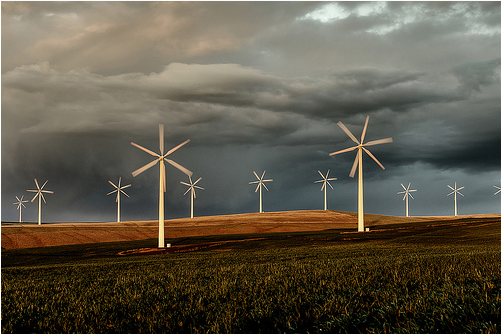
Wind energy advantages and disadvantages
If you go through the list of wind energy advantages and disadvantages detailed in the post it would be apparent that due to several notable advantages, wind energy has become one of the fastest growing energy sources in the world.
The first and foremost advantage of wind energy is – wind is an unlimited, free, clean renewable resource. The United States, where about 30 percent of global warming emissions come from the use of fossil fuels like coal and natural gas for electricity generation, is actually aiming to produce a significant amount of its electricity from this clean energy source in order to reduce its dependence on fossil fuels. This has made wind energy as the fastest-growing clean energy source in America. There is a huge potential of wind power in US. Experts believe that wind could provide about 20 percent of the nation’s electricity by 2030.
Here in this post I have given an overview of wind power advantages and disadvantages one needs to know for addressing the challenges to greater use of this most environmentally-friendly clean power of the future. Before we get to discuss the wind energy advantages and disadvantages, let’s have some basic idea about what is wind energy and how does wind energy work.
What is wind energy and how does wind energy work?
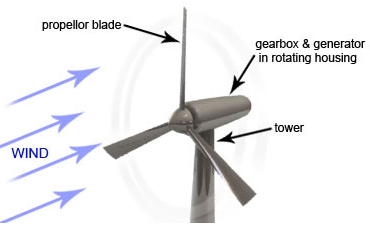
Wind energy is a form of energy produced through wind turbines that use the movement of air as the power source, which is called ‘wind power’.
The movement of the air which causes wind to blow, produces kinetic energy in the wind, which can be used to produce useful energy. When the wind blows, the kinetic energy from movement of the wind produces mechanical power which turns the 3 propellers-like blades of a turbine (called rotor) mounted on a tall tower (as shown in the pic) around an electromagnetic generator that is connected to the main shaft. As the wind blows it makes the rotor spin, which turns the generator which in turn converts the wind power into electrical energy.
Now that we know the basics of how does wind energy work to produce electricity let’s see what are the wind power advantages and disadvantages to understand why investment for greater use of this environmentally-friendly clean power is worth it, for our homes and/or businesses.
You may also like to read: Wind Turbine parts – functions of major parts of a Wind Turbine
Green Energy vs. Renewable Energy: What’s the Difference?
When exploring wind energy, you might come across the terms “green energy” and “renewable energy” used interchangeably—but they aren’t quite the same thing. Let’s break down the difference:
- Renewable energy refers to power sources that naturally replenish themselves—like wind, solar, and hydropower. These resources are virtually inexhaustible because they’re driven by natural processes, such as the sun shining or the wind blowing.
- Green energy, on the other hand, is a broader term. It describes energy sources that have minimal impact on the environment. While all green energy is renewable, not every renewable energy source is fully green. For example, some biomass projects are considered renewable, but if they lead to deforestation or air pollution, they may not be entirely “green.”
Wind energy stands out as both renewable and green: it relies on an endless natural resource and generates electricity without releasing greenhouse gases or polluting the air. This environmental friendliness is one of the key reasons wind power is so important in the transition towards cleaner, more sustainable energy solutions.
Wind energy advantages and disadvantages
Advantages of wind energy
Renewable resource
One of the major advantages of wind energy that needs mention is that unlike coal, oil, and gas, which are finite resources, wind energy is a renewable resource that can never be depleted. Wind energy is derived from the sun. As explained above winds are caused by uneven heating of the earth’s surface by the sun. When one patch of the earth is heated more directly, that part becomes warmer than others. The warm air from that patch rises and cooler air rushes in from other parts to replace it, creating wind flow. So wind energy is actually a form of solar energy too. As long as the sun shines we will have wind to generate electricity.
No atmospheric emission
Wind power produces no greenhouse gas emissions during operation. This is also one of the most important advantages of wind energy use.
Wind energy is a clean energy source meaning there is no resulting environmental pollution like those from non-renewable power sources like fossil fuels such as coal, oil or gas. Combustion of fossil fuels for electricity generation produces atmospheric emissions that cause acid rain or greenhouse gasses (Carbon Dioxide, Methane, Nitrous oxide and Ozone). While coal produces over 70% of the power sector’s greenhouse gas emissions, natural gas-fired power plants produces about 20%.
Because wind power generation does not rely on burning fossil fuels, it does not contribute to your carbon footprint—the total sum of greenhouse gases released into the atmosphere, including carbon dioxide, methane, and nitrous oxide. Using wind energy instead of fossil fuels helps reduce these emissions, thereby lessening the impact on climate change and improving air quality. By choosing wind power, individuals and businesses can play a direct role in reducing their environmental impact and supporting a cleaner, more sustainable future.
Needs little land area
Production of wind power needs little land area. With today’s technology, the land use by wind turbines is much less than the conventional power stations, which is less than 1% of its land area. A typical wind farm consisting of 20 turbines covers an area of about 1 square kilometer of which less than 5% is occupied by wind equipment including turbines, access roads etc. Farmers and ranchers can continue to use the remaining 95% of the land for farming or ranching purpose.
Quick installation of wind turbine
Installation of the wind turbines does not take much time. Once the formalities relating to site selection and various statutory approvals are completed, wind turbine installation can be completed in months as against years for a coal, gas, or nuclear plant. Since wind turbines are easily expandable such quick construction can accommodate ever growing demand for wind power effortlessly.
Wind turbine can be installed anywhere
Another advantage of wind energy use is that the wind turbines can be installed wherever we want provided wind currents are present there. Wind power isn’t limited to sprawling wind farms only. Depending on local wind patterns some locations will offer greater efficiency than others. We can install turbines in our homes even to meet our energy needs at a relatively low cost.
Cost effective
The production and operational costs associated with wind power generation are one of the lowest among other renewable energies. To date, wind energy is the most cost competitive renewable energy option on the market. In fact, wind energy’s cost has dropped so much over the years that it compares with many conventional power generation technologies. No fuels need to be mined and transported for wind power generation and the costs for staffing and maintenance are minimal. Hence cost effectiveness is one of the major advantages of wind energy use.
Declining costs
With increasing popularity of wind power and growing environmental concerns, the Global Wind Energy Council predicts global wind capacity will reach almost double its current size very shortly. Due to technology improvements and cost advantages realized from economies of scale, the cost of producing wind energy has steadily declined over the years and is expected to keep decreasing further with increasing volume of output. In fact according to a recent report the cost of energy for wind power has generally decreased more than 55% since 2009.
Price stability
Unlike electricity from fossil fuel based plants, which is prone to substantial price swings depending on the availability and transportation of the resources, wind power comes with a relatively fixed price, that likely to drop considerably over time.
Creates Jobs
Job creation is also one of the major advantages of wind energy. Wind energy project is more labour intensive as compared to fossil fuel based generating plants, which are capital intensive. On an average, for each unit of electricity generation, wind energy projects create 30% more jobs than fossil fuel based plants and 60% more than a nuclear power plant.
Beyond the numbers, wind power taps into local resources and supports communities by generating employment in areas where wind farms are built. Unlike fossil fuels, which often rely on imported resources, wind energy harnesses a domestic supply and keeps investment close to home. Over the past decade, wind generation capacity has grown by 30 percent, spurring economic development and supporting more than 100,000 jobs across 41 states in the U.S. This growth highlights how investing in wind power not only delivers clean energy but also drives local economies and sustains a skilled workforce.
Making your Home more sustainable with renewable energy plans
Choosing a residential renewable energy plan is a practical way for individuals to contribute to a cleaner environment while powering their homes responsibly. Among the various options available, wind energy plans stand out for their abundant availability and declining costs, as outlined above.
When considering a switch to wind energy (or other renewable sources), here are a few steps to help you get started:
- Compare providers: Many regions now offer multiple suppliers of renewable electricity, with options powered by wind, solar, and even small-scale hydro. Established companies like Green Mountain Energy, Arcadia, and local utilities may all provide renewable plans—research available options in your area.
- Review contract terms: Look for plans that offer transparent pricing and long-term price stability. As discussed, wind energy typically shields you from unpredictable swings in fuel prices.
- Check the energy mix: Some plans let you select what percentage of your demand is met through wind power versus other renewables. Prioritize plans with the largest share of wind energy if that’s your goal.
- Evaluate certification: Look for plans that are Green-e® Energy certified or backed by renewable energy certificates (RECs). These verify that your usage is matched by genuine renewable electricity fed into the grid.
Making this change not only reduces your home’s carbon footprint, but also supports continued job creation and innovation in the wind sector. By choosing a renewable electricity plan that fits your needs, you are actively participating in the transition to a sustainable energy future.
Wind energy disadvantages
High initial investment
One of the major wind energy disadvantages that comes to the front while discussing wind energy advantages and disadvantages is that installation of a wind farm requires high initial investment. Even though the cost of wind power has declined considerably over the years, it requires a higher initial investment for building a wind farm than fossil-fuel generating plants.
It requires a lot of open land to set up wind turbines in a wind farm. Suitable areas for wind farms are usually near the coast, where land is quite costly. On an average, development of wind power costs around $1.75 million per megawatt of generating capacity installed. About 80% of the investment goes to machinery purchase and balance 20% to procurement of land, site preparation and installation. To take advantage of economies of scale, capacity of wind power farm should be in excess of 20 MW. This means, assuming an average rating of wind turbine at 750 kilowatts, it will require installation of at least 26 turbines and an initial investment of $35 million dollars.
Unpredictable nature
The unpredictable nature of wind flow is also one of the major wind energy disadvantages. While conventional power stations can manage their production as they wish, generation of energy by wind turbines depends on the local air flow. If the weather is not in your favor and there is insufficient air flow, power production will drop to zero. Therefore, so long there is no cost-effective energy storage system to serve as backup, wind power is not suited as a base load power source. In order to meet energy demand with reliability, wind turbines have to be linked to standby power supplies. This will hopefully change with future innovation in energy storage technology or with integration of wind energy into the power grid.
Limited by Location
Adding to the unpredictability, wind power isn’t a one-size-fits-all solution. Wind turbines need to be placed where the wind blows strong and steady—think open plains, coastal areas, and windswept hilltops. Not every region is blessed with such ideal conditions. Even in these prime spots, the wind doesn’t always cooperate. This “intermittency” means that energy generation slows or stops when the wind does, making it difficult to rely solely on wind for continuous power.
For areas with weaker or inconsistent winds, investing in wind energy infrastructure may not make economic sense. As a result, the viability of wind power can be highly dependent on local geography and climate, further reinforcing the need for smart site selection and ongoing improvements in energy storage and grid integration.
A Threat to Wildlife
In the early days of wind power the blades of wind turbines sometimes posed a threat to Wildlife, particularly to the birds. Birds had a habit of bumping into the blades, and many even used to build their nests in the structures themselves. While bird strike is still a problem for wind farms it’s not nearly as serious as it was in the past. It’s more of a design challenge than a stubborn problem. Modern turbines are designed to operate at a higher efficiency than the earlier models i.e. supplying the same power while the blades spin at a much lower speed. With flat surfaces replacing the old girders, towers have also been redesigned to stop birds from nesting.
Wind turbine noise
The noise produced by wind turbines is also a contentious issue. Though wind turbines do not create extraordinary levels of sound which may have direct impact on physical health, there have been some concerns expressed regarding supposed health effects of noise from the wind turbines. However, modern turbine designs have significantly reduced whatever sounds, both mechanical and aerodynamic (i.e. from air moving past the blades), originating from the wind turbines. The wind farms are now comparatively quieter than other industrial facilities.
Wind turbines generate two main types of noise: aerodynamic noise from the blades slicing through the air, and mechanical noise from the machinery within the nacelle. While these sounds can occasionally be noticed if you are standing close to a turbine, they are not usually a significant issue at the distances where people live or work. In rural areas, ambient wind and other environmental sounds often mask much of the turbine noise. Wildlife may be affected by the noise, but this is generally not considered a major factor unless turbines are placed very close to sensitive habitats. Overall, modern engineering and thoughtful placement have helped minimize noise concerns for most surrounding communities.
Before I conclude the discussion on wind power advantages and disadvantages let me also reply to some of the related questions often heard about windmills.
Are windmills bad for the environment?
Using windmills to produce energy has fewer effects on the environment than many other energy sources. Windmills do not pollute the air or water by emitting any pollutants and they also do not require water for cooling purpose.
Are wind turbines dangerous to birds?
Wind turbines can pose a threat to flying wildlife like birds and bats from direct collisions with turbines blades as birds have the habit of bumping into the turbine blades.
Is it safe to live near wind turbines?
Scientific studies have found that living near wind turbines does not pose any health risk for humans.
Conclusion
While wind power may not be an ideal solution to our energy needs, the wind energy advantages and disadvantages detailed in the post clearly show that the advantages of wind energy heavily outweigh the wind energy disadvantages. There is no denying the fact that fossil fuel or nuclear power plants cannot be totally replaced by wind farms and it needs to be acknowledged that we will also need conventional power plants as backup when wind farms produce almost no electricity.
Although wind power can only supplement other sources of energy for now, it is clear from the list of wind power advantages and disadvantages that this green power is inexhaustible and provides an endless supply of clean energy that can be produced easily and cheaply and can replace the environmentally harmful conventional energy sources.

Cindy Tesler
Nov 23. 2016
Thanks for pointing out that wind power is one of the fastest growing energy sources in the world. You also mention that using wind power will significantly decrease our dependence on fossil fuels. I think it’s a good idea to choose wind power, especially if you live in a canyon.