Charging Port on iPhone not working – 4 easy steps to fix.
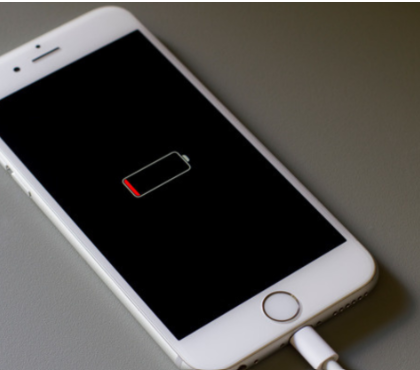
How to fix iPhone charging port not working?
One of the most common iPhone charging problems many iPhone users face is their iPhone charging port not working. It is an annoying and frustrating issue for you if you’re having trouble getting your iPhone to charge.
However, if you find the iPhone charger port not working properly you need not worry about it. In this post, I will give a comprehensive guide to fix the issue of the charging port on iPhone not working, It will walk you through the potential causes behind the issue and their effective solutions to help you get your device back on track.
Common signs your iPhone charging port isn’t working
Before you go hunting for solutions, it’s helpful to recognize the symptoms of a malfunctioning charging port. Here are some telltale signs that your iPhone’s port might be at fault:
- Your iPhone refuses to charge when connected to the cable.
- Charging only works if you wiggle or hold the cable at a very particular angle.
- You spot messages like “Accessory Not Supported” or warnings about moisture or liquid in the port.
- The device charges slower than usual or charging suddenly stops and starts for no apparent reason.
If you notice any of these frustrating issues, your iPhone’s charging port could be the culprit. Let’s take a closer look at what could be causing this problem and how you can resolve it.
What are the possible causes for the iPhone charging port not working?
Before discussing the device charging solutions and fixing the ‘iPhone charger slot not working’ issue, you need to identify the possible causes of why your iPhone charger port not working or malfunctioning. Some of the common iPhone charging faults are:
1. Software glitch: Occasionally, software issues such as out-of-date firmware can interfere with the normal functioning of the charging port;
2. Hardware issues: The charging port may encounter physical damage caused by accidental droppings, such as bent or broken pins or there may be corrosion and rust in the pins which may cause the phone to fail to recognize the charger and prevent it from connecting;
3. Charging port blocked by dust and debris: Accumulation of dust or debris over time in the iPhone charging port may prevent the charger from making a proper connection;
4. Debris and Dust Build-Up: Carrying your iPhone in pockets, bags, or even leaving it on dusty surfaces can lead to small particles like lint, dirt, and dust working their way into the charging port. Over time, this build-up can obstruct the connection between your charging cable (like those from Apple, Anker, or Belkin) and the port, making it difficult—or even impossible—for your iPhone to charge properly. Frequent exposure to environments such as the beach, workplace, or public transportation tends to increase the risk of debris accumulation.
5. Faulty Cable or Adapter: A damaged charging cable or USB adapter can cause the ‘charging port on iPhone not working’;
6. Loose Connection: A loose connection between the charger and the port can cause your phone to fail to recognize the charger and prevent it from connecting;
Why you should always be gentle when unplugging your iPhone charging cable
Unplugging your charging cable may seem like a small and simple act, but how you do it actually matters for the health of your iPhone’s charging port. Yanking, pulling at odd angles, or twisting the cable when you unplug doesn’t just risk damaging the cable from trusted brands like Apple, Anker, or Belkin—it can also harm the delicate pins and internal connectors inside your device’s port.
A forceful or careless removal can:
- Bend or break the tiny metal pins inside your iPhone’s port, leading to unreliable charging or an outright dead port.
- Loosen the port connection over time, creating those frustrating scenarios where charging only works at a certain angle—or not at all.
- Reduce the overall longevity of both your cables and your phone, ultimately leading to more frequent replacements and added expense.
Instead, always grip the connector firmly and pull straight out without wiggling or bending. Using a cable protector is also a smart move for preventing unnecessary wear and tear, especially if you tend to charge on the go or in busy environments.
Taking this simple precaution will help ensure a solid connection every time and keep your iPhone ready for action when you need it most.
Why You Should Back Up Your iPhone Before Trying Any Fixes
Before you roll up your sleeves and dive into troubleshooting mode, take a moment to back up your iPhone. You might be eager to fix the charging port, but backing up your data is like having an insurance policy for your precious photos, contacts, app data, and all those notes you promised you’d organize someday.
Here’s why it matters:
- Peace of Mind: If the fix doesn’t go as planned—or if a reset or repair becomes necessary—you won’t lose anything important.
- Accidents Happen: Sometimes, a fix can lead to unexpected outcomes, like a factory reset or data corruption.
- Easy Recovery: With a backup, all your information is just a restore away, no matter what happens next.
In short, back up before you tinker, just in case your iPhone’s issues require more than a quick port clean or reset.
What should be done if your iPhone charging port is not working after water exposure?
If your iPhone charging port has come into contact with water, it’s crucial to act quickly but carefully. Here’s what to do:
- Power Off Immediately: First, switch off your iPhone right away to prevent any risk of short-circuiting.
- Avoid Charging or Connecting Accessories: Do not plug in the charging cable or attempt to connect headphones until the port is completely dry.
- Let It Dry Naturally: Place your iPhone in a dry, ventilated spot. Using silica gel packets (you know, the ones that come with new shoes) around the device can help absorb residual moisture. Avoid using heat sources like a hairdryer, as high temperatures can damage internal components.
- Wait It Out: Give it ample time—at least several hours, or preferably overnight—before you try charging again. For best results, let gravity help by positioning the phone so the port faces downward.
By following these steps, you minimize the risk of damaging your iPhone’s charging port or other internal circuitry due to moisture.
Keep Your iPhone Dry
To prevent water damage in the first place, steer clear of using your iPhone in wet environments like bathrooms, pools, or out in the rain. If your phone does get wet, dry it off immediately—don’t just give it a quick wipe. Make sure it’s thoroughly dry before even thinking about charging it or plugging anything in. Patience here can make all the difference between a working phone and an expensive repair.
If you’re still experiencing issues charging after it’s fully dried, it might be time to seek professional help from Apple Support or a certified technician.
Can water damage affect your iPhone charging port, and what should you do if it happens?
Yes—water exposure can seriously impact the functioning of your iPhone’s charging port. Moisture inside the port can prevent your phone from recognizing the charger, or worse, may cause a short circuit. If you suspect your iPhone charging port isn’t working after any contact with liquids—whether it’s a splash at the beach or an accidental swim—take these steps:
- Immediately power off your iPhone to prevent further internal damage.
- Do NOT plug it in. Charging while moisture is present can lead to more severe issues.
- Place your iPhone in a completely dry location. For best results, set it near packets of silica gel, if available, as they’re excellent at absorbing moisture (far better than the classic “bowl of rice” trick).
- Allow your device plenty of time to dry out—sometimes up to 48 hours. Resist the urge to check it too soon.
- Once you’re confident it’s dry, inspect the port with a flashlight to ensure there’s no lingering moisture before reconnecting any cables.
If after drying, your charging port still refuses to cooperate, professional help from an authorized Apple service provider is your best bet to get your iPhone back in working order.
How to fix an iPhone charger port not working issue
If you see the charging port on iPhone not working, here are some effective troubleshooting tips to help you fix an iPhone charger port not working issue.
Why Testing After Each Step Matters
After you try each of these fixes, it’s a good idea to check whether your iPhone is finally charging as it should. Testing after every step helps you pinpoint exactly which trick did the job—whether it was diligently cleaning the port with a toothpick or updating your iOS. Even better, it avoids wasted time (and frustration) by ensuring you don’t keep tinkering when the fix has already worked. Plus, if your iPhone still won’t charge after running through all the options, you’ll have a clearer idea of what’s not the issue—crucial info if you end up seeking help from Apple Support, the Genius Bar, or your neighborhood repair shop.
How to fix iPhone charger port?
1. Clean the Charging Port: Use a small non-metallic object like a toothpick, a soft and dry brush, or compressed air to gently clean out the port by removing any debris from the charging port. While it may be tempting to use a pin or needle to clean the charging port, it’s important to avoid metal objects. Metal can easily scratch or damage the delicate pins inside the port, making the situation worse. Take care not to insert anything metal or apply too much force, as this could damage the delicate pins inside. If you notice the port feels loose, or if you’ve recently dropped your phone, inspect the charging port with a flashlight for any signs of physical damage or misalignment. If you spot visible damage—such as bent pins or a wobbly port—it’s best to avoid further DIY attempts and visit an Apple Store or authorized service center for a professional assessment.
2. Restart your iPhone: Sometimes, a simple force restart can resolve the iPhone charging port not working issue. Restarting the iPhone will resolve any software issues that might be hindering the phone from taking charge.
3. Update iOS to the latest version: Your iPhone charging port may not be working due to bugs in your version of iOS software. Since new software updates contain bug fixes, make sure that you have the latest version of iOS. Software updates are very important for the normal functioning of your phone.
4. Reset settings: If none of the above steps work, you can try resetting all settings on your iPhone. This won’t delete your data but will go back to settings to their defaults. To do this,
Go to Settings > General > Reset > Reset All Settings;
Seeking professional help to fix charging port iPhone not working issue
If you still see the iPhone charger slot not working even after following the troubleshooting steps mentioned in the post on how to fix iPhone charger port, it may be a hardware issue. In such cases, if you are not sure about fixing the issue yourself with necessary caution, it’s best to seek professional assistance.
Before heading for repairs, take a moment to inspect your charging port for any visible signs of damage—especially if your phone has been dropped or the charging cable feels unusually loose when connected. Physical damage to the port is a common culprit and, unfortunately, not something that can be fixed with home remedies.
It is advisable to visit an Apple Store or Authorized Service Provider for evaluation of the problem to fix charging port iPhone. This ensures your device is handled by trained professionals who can safely diagnose and repair any underlying hardware issues.
It is advisable to visit an Apple Store or Authorized Service Provider for evaluation of the problem to fix charging port iPhone.
How much does it typically cost to repair an iPhone charging port?
The typical cost to repair an iPhone charging port can range anywhere from $50 up to $150, depending largely on your iPhone model and where you choose to have the repair performed. Independent repair shops often offer competitive pricing and may complete the fix quickly, but prices can vary. For peace of mind, opting for an Apple Store or an Authorized Service Provider may cost a bit more, but you’ll benefit from technicians using genuine replacement parts and following strict quality standards. Be sure to get an estimate beforehand, and always confirm that any parts used are high quality for the best long-term results.
You may like to read: How to fix iPhone Force Restart Not Working
Frequently asked questions
Now that it is explained why you may sometimes find your iPhone charging port not working and how to fix charger port iPhone, let me also address some of the related questions often asked by iPhone users.
How can I fix iPhone charging port?
When the charging port on iPhone not working, follow the steps below to fix it:
1. Remove any debris from the charging port;
2. Restart your iPhone;
3. Try a different USB cable or charger;
Sometimes, the problem lies not with your iPhone but with the cable or charger itself. Inspect your charging cable for any visible signs of wear—such as fraying, bending, or damage at the ends. Even minor damage can prevent proper charging. If possible, swap out your current cable and charger for another one (preferably an official Apple cable or a reputable, Apple-certified option) to see if your iPhone begins charging. Using third-party or uncertified accessories may also lead to charging issues, so sticking to reliable brands is a good troubleshooting step.
4. Update to the latest version of iOS;
5. Contact Apple Support for help;
How do I charge my iPhone wirelessly?
Charge your iPhone wirelessly as below:
1. Place the charger on a level surface or as recommended by the manufacturer;
2. Place your iPhone on the charger with the display facing up;
3. For best performance, place the iPhone in the center of the charger;
Why do iPhone charger stop working?
The most common reasons for your iPhone failing to charge are,
1. A faulty cable;
2. Faulty charger or adapter;
3. Dirt or debris in the charging port;
4. Charging process interrupted by third-party apps;
Conclusion
By properly following the troubleshooting steps suggested in this post you can fix the iPhone charging port not working issue yourself with ease and your iPhone charging port will be back in action in no time. But before trying these ultimate solutions, you can try some easy things to solve the issue in minutes. Here are some of them:
1. Sometimes, the issue might be with the Lightning cable connectivity. When the charging accessories are faulty or not supported, your iPhone will fail to charge. Therefore, for proper connectivity use only a genuine Lightning Cable certified by Apple as it is designed specifically for it; using third-party or low-quality chargers can damage your iPhone’s charging port. Stick to official Apple chargers or certified alternatives like Belkin or Mophie to ensure your iPhone is charged safely and effectively. Avoid using generic or uncertified accessories, as these can cause charging errors, compatibility issues, or even long-term damage to your device’s charging port;
2. Try using a different charger and see if it helps to fix your iPhone charger slot not working problem;
3. Sometimes, the ‘charging port on iPhone not working’ may be due to iOS device power problems. Therefore, try a different power source such as a different wall adapter or a USB port on a computer using the same accessories, and see if it works;
4. Try using a wireless charger. This is an easy and convenient way to charge your device without worrying about cables or ports. If the wireless charging works on your iPhone, it means that there is a problem with your iPhone’s charging port;
Why use wireless charging?
Switching to wireless charging not only gets your phone powered up quickly, but it also helps reduce wear and tear on the physical charging port over time. Many wireless chargers are designed to charge your iPhone, Apple Watch, and AirPods all at once, letting you cut down on cable clutter and keep your devices organized. Give this a try—if your phone charges wirelessly but not through the port, it’s a strong sign the issue lies with the port itself.
Additional Tips to Prevent Charging Port Issues
To keep your iPhone charging port working well and avoid future headaches, consider these preventive tips:
- Keep Your iPhone Clean: Regularly clear away lint, dust, or debris from the charging port using a soft brush or a burst of compressed air. Avoid using sharp or metal objects that might damage the connectors.
- Be Gentle with Charging Cables: Always unplug your cable by holding the connector, not by yanking the cord. Sudden pulls or twists can strain and loosen the port over time.
- Stick to Quality Chargers: Steer clear of low-quality or uncertified third-party chargers, as these can damage your iPhone’s charging port or battery. Official Apple accessories or trusted certified brands are the safest bet.
- Keep Your iPhone Dry: Moisture is the enemy of electronics. Avoid charging your device if it’s wet, and make sure your hands and the port are dry before connecting a cable.
- Consider Wireless Charging: If your iPhone supports wireless charging, it’s a handy option that reduces wear and tear on the charging port. It also keeps your setup tidier and limits the risk of port damage.
By following these steps and preventive measures, you’ll not only fix the current charging port issue but also extend the lifespan and reliability of your iPhone’s charging system.
