What tasks can an AI assistant do for you?
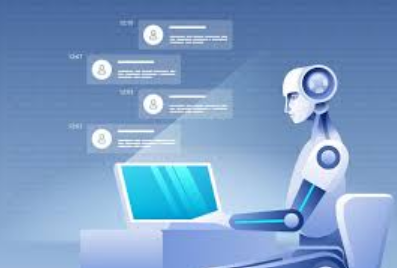
What AI Virtual Assistant can do for you in workplace?
We all know that Artificial Intelligence (AI) is taking root in our everyday lives. But what you might not know that one of the factors that is driving this growth of AI is – increasing demand for AI assistant or AI virtual assistant (Artificial Intelligence virtual assistant). Businesses in almost every single industry nowadays are rushing to have an AI personal assistant to improve their business operations and customer satisfaction levels.
Why are AI virtual assistants becoming essential business tools?
So, why is there such a buzz around AI virtual assistants these days—why are they quickly becoming indispensable across industries? The answer lies in the way these digital helpers are helping streamline operations and tackle workloads that used to bog dovwn entire teams.
Imagine having a reliable digital team member who can respond to customer queries instantly, day or night, without ever needing a coffee break. AI assistants do just that—they take care of repetitive questions and routine requests, which not only speeds up customer service but also frees your human staff to focus on the trickier, higher-value tasks (the ones that actually need a human brain).
Think about busy sectors like retail, travel, or healthcare, where customers expect lightning-fast responses around the clock. AI virtual assistants offer:
- 24/7 Availability: Never miss a customer’s question—whether it’s midnight or Monday morning.
- Cost Savings: Reduce the need for extra hires during peak periods.
- Consistency: Ensure every customer gets accurate, up-to-date information.
- Better Workflow: Let your employees skip the copy-paste headaches and focus on the work that counts.
That’s why you’ll see companies—big names like Amazon, H&M, and even banks—turning to AI assistants not just for efficiency, but to deliver a level of service that keeps customers coming back.
Now, let’s peel back the layers a bit further and see how these assistants actually work behind the scenes.
What is the typical ROI timeline for implementing AI virtual assistants in enterprise organizations?
If you’re wondering when the investment in an AI virtual assistant actually starts to pay off for big businesses, here’s what you can expect: Many organizations notice a positive impact pretty quickly—often within the first few months. This early boost comes from handling large volumes of simple, repetitive tasks (like resetting passwords, checking order status, or rescheduling appointments), which means customer support teams spend less time stuck on the phone or replying to the same email over and over.
But as with any good technology upgrade, the real magic happens over time. On average, companies find the full return on investment (ROI) typically rolls in over 12 to 24 months. Several factors play a part here, including:
- How quickly your team adopts the new system
- The overall volume of interactions routed to the assistant
- The range and complexity of tasks your AI is handling
As businesses continue to expand what their virtual assistants can do and fine-tune workflows, those efficiency and cost-savings benefits keep growing. It’s not just about immediate savings—it’s about building a foundation for smarter operations in the long run.
Why do real-time analytics and conversation intelligence matter in AI assistant interactions?
Sure, automating interactions is a game-changer on its own, but there’s another piece of the puzzle that’s just as important—understanding what’s actually happening in those conversations. This is where real-time analytics and conversation intelligence step in.
Here’s why they’re crucial for any business leaning on AI assistants:
Holistic Insights Across Channels: With analytics pulling data from calls, chats, and self-service portals, you get a big-picture view of your support ecosystem. That means you can spot patterns—like what questions crop up most often or which channels handle issues fastest—across your entire operation, not just in a silo.
Easy Review and Troubleshooting: Ever wish you could rewind a conversation to figure out where something went off the rails? Searchable conversation transcripts make it a breeze to review exchanges, pinpoint miscommunications, and even discover knowledge gaps in your assistant’s responses.
Tangible Performance Metrics: It’s not enough to just deploy an assistant and hope for the best. You need to measure what matters—like how many issues the AI resolves on its own (containment rate), how often customers need to be handed off to humans (deflection rate), and overall customer happiness after an interaction. This helps fine-tune the experience so each conversation is better than the last.
Continuous Learning and Feedback Loops: Just because it’s artificial intelligence doesn’t mean it’s set-and-forget. By letting agents, supervisors, and even customers provide feedback on responses, you can continually teach your assistant to get smarter—much like you’d coach a new team member.
In shorJt, with real-time analytics and conversation intelligence, you’re not just automating for automation’s sake—you’re building a system that learns, adapts, and keeps your business (and your customers) one step ahead.
Before we go into the details of the benefits we can get from using this virtual assistant software let’s first know what AI virtual assistant is.
Before we go into the details of the benefits we can get from using this virtual assistant software let’s first know what AI virtual assistant is.
What is an AI virtual Assistant?
AI virtual assistant is an artificial intelligence app, which is capable of answering queries and performing tasks for a user based on questions and verbal or written commands. Now, how does this virtual assistant software understand and work on voice command?
The AI assistant program uses an in-built Natural Language Processing (NLP) system, which is based on Machine learning. Machine learning helps the program to get more accurate over time as it learns from interactions as you use it. It processes and analyzes the human language input to understand the voice commands and searches for relevant information from various online sources to give appropriate response to the user’s command. This artificial intelligence app may be integrated into your smart-phone, smart speaker, smart TVs and other “smart” internet-connected devices. Most of the smart devices nowadays have a built-in AI assistant app. Some of the most popular AI personal assistant programs on smart devices are Siri, Alexa, and Google Assistant. However, as the software makes hands-free use possible, you need not use your smart-phone or any other device for interaction. All you need is to launch the program and make a voice command which will be processed by the app to give relevant response.
What are the main types of AI virtual assistants used in enterprises?
So, what kinds of AI virtual assistants are powering today’s businesses? As it turns out, not all digital helpers are created equal—different types are tailored to specific needs within an organization. Here are the most common types you’ll find buzzing behind the scenes:
- Productivity Assistants: These AI helpers sync with calendars, email, and company knowledge bases to manage meetings, schedule appointments, send reminders, and keep teams organized. Imagine having something like Google Assistant or Siri acting as your always-on scheduler, taking care of logistics so you can focus on bigger tasks.
- Agent and Employee Assistants: These are the AI sidekicks that lend a hand during customer calls, chats, or team meetings. They can fetch relevant info, jot down summaries, and even recommend next steps—almost like having a note-taking, research-savvy colleague that never skips a beat.
- Virtual Agents and Customer Chatbots: Designed for customer support, these AI bots tackle common questions, route requests, and provide self-service options before a human needs to get involved. You’ll spot these in busy retail sites, travel bookings, and banking apps—always ready to answer FAQs or speed up service.
- Sales and Conversation Intelligence Assistants: For sales teams, specialized AI assistants help by analyzing sales calls and emails, flagging critical moments, and surfacing insights that guide sales reps toward the right opportunities. It’s a digital assistant that listens in and points out what matters most, helping teams close deals smarter (and faster).
- Analytics and Insight Assistants: These AI-driven tools chew through data from customer interactions and business operations, highlighting trends, finding weak spots, and suggesting improvements. Think of them as the behind-the-scenes analysts who give companies a clearer picture of what’s working—and what’s not.
These AI virtual assistants each have their own unique role in making the modern workplace faster, smarter, and more efficient.
How AI virtual assistants differ from traditional rule-based chatbots
Now, you might be wondering how an AI virtual assistant stands apart from the old-school rule-based chatbots that we used to encounter on websites. The main difference really comes down to how they process and respond to human language.
Rule-based chatbots work by following a strict set of pre-programmed responses. If you type in a specific phrase, like “store hours,” they’ll recall the answer. But if your question doesn’t match their programmed keywords or phrases—say, you ask, “When can I pop by the shop?”—you’ll often be met with, “Sorry, I didn’t understand that.”
On the other hand, AI virtual assistants like Siri, Alexa, and Google Assistant take things several steps further. Thanks to advanced Natural Language Processing (NLP) and machine learning, these assistants aren’t just searching for exact matches. They actually learn to understand the intent behind your question, regardless of how you phrase it—even if there’s a typo or unconventional wording. For example, whether you ask, “How do I return a product?” or “What if I don’t like what I bought?” the AI can interpret both questions and respond appropriately.
In short, where traditional chatbots are rigid and limited to set commands, AI virtual assistants are flexible, adaptive, and get smarter the more you use them. This shift makes virtual assistants far more effective for both businesses and users, offering real help instead of just canned replies.
Let’s now look at some of the major services which users can get from an AI virtual assistant.
You may also like to read this post: Important Facts about Artificial Intelligence
Services you can get from AI virtual assistant
You can get a wide variety of services from an AI personal assistant app when you integrate the software with your product, service, or business. Here’s a list of most common tasks that this virtual assistant software can handle for your business and other major areas:
Enhancing Virtual Assistant Capabilities with APIs and Low-Code Tools
APIs and low-code tools can take your AI virtual assistant from basic task handler to a powerhouse of custom functionality. By integrating APIs, you enable your assistant to access and interact with disparate systems—whether it’s checking inventory, tracking orders, or verifying customer eligibility—without the need to overhaul your existing IT setup.
Low-code platforms further simplify this process. They allow even those without advanced coding skills to string together complex workflows—think updating appointments in real time, retrieving client information, or automating data entry—with just a handful of clicks. This opens the door for rapid deployment and continuous improvement of your virtual assistant’s skillset.
In short, APIs and low-code tools empower businesses to tailor AI assistants to their unique needs, automating everything from quick lookups to end-to-end workflow management, all while keeping your current tech stack intact.
Common tasks handled by virtual personal assistants for businesses
1. Administrative Work
A virtual personal assistant can handle basically all administrative work of a company that an administrative assistant usually does. These are,
> Scheduling meetings and appointments;
> Answering phone calls;
> Replying to e-mails;
> Taking notes;
> Adding events to calendar;
> Making travel arrangements;
2. Customer support
AI personal assistant can work with the customer support team to provide 24 hour support to the customers. Customers can interact with a virtual personal assistant that can take queries from a number of customers at the same time and provide quick responses and thereby increasing customer satisfaction.
Key features and capabilities of AI customer service assistants
AI virtual assistants are transforming customer service by handling a wide range of queries quickly and efficiently. Here’s how these intelligent tools can elevate your business’s support experience:
Instant Responses: AI assistants can answer frequently asked questions on topics like returns, account details, and company policies without any wait time, ensuring customers get help when they need it.
Self-Service Support: They help guide users through common processes—such as creating new accounts, troubleshooting products, or setting up new services—making it easier for customers to find solutions on their own.
Smart Integration: By connecting with customer relationship management (CRM) systems and internal knowledge bases, AI assistants provide real-time, accurate information tailored to each customer’s inquiry.
Omnichannel Presence: Whether your customers prefer live chat on your website, text messaging, or even platforms like WhatsApp, AI assistants can engage seamlessly across multiple channels to meet users where they are.
24/7 Availability: Unlike human agents with set shifts, AI virtual assistants operate around the clock, delivering support even during evenings, weekends, or holidays—greatly boosting satisfaction for international or late-night customers.
These capabilities not only improve efficiency but also allow your human teams to focus on more complex and personalized interactions.
Analytics and Reporting for AI-Powered Conversations
To truly harness the power of AI virtual assistants, it’s important to go beyond simple automation and look at the bigger picture. The analytics and reporting features embedded in these systems are essential for tracking effectiveness and identifying areas for improvement in both customer interactions and internal processes.
Here are some of the key analytics and reporting capabilities you should expect:
- Consolidated Multi-Channel Insights: Analyze data from phone calls, web chats, and messaging apps like WhatsApp all in one place. This unified view helps you understand how your support channels work together to meet customer needs.
- Conversation Search and Summaries: Every interaction is automatically transcribed and summarized. This makes it easy to search past conversations, review specific issues, or audit the assistant’s responses for quality assurance.
- Performance Metrics That Matter: Detailed reports track important support metrics like resolution rates, time taken to resolve issues, how many inquiries are handled by AI without escalation (containment), and overall customer satisfaction scores.
- Continuous Feedback Mechanisms: Built-in options allow team members to flag response problems, suggest improvements, or highlight recurring issues. This feedback can then be used to refine the AI’s training data—making your assistant smarter over time.
With these rich analytics tools, businesses can continuously refine both their customer communications and the assistant’s performance—ensuring not only efficient support but also ongoing learning and optimization.
3. Managing Social Media
Social media presence has considerable importance in marketing plan for businesses. AI assistant can manage social media presence of a company and update its social page status so as to keep the potential customers engaged with the company’s social media channels while staying relevant.
4. Transcribing meetings notes
AI virtual assistant can help during business meetings by keeping records of discussions. It can transcribe meeting notes for future reference.
5. HR & Recruitment
A company can improve its recruitment process by using an AI personal assistant. It can screen job applicants, schedule interviews and create candidate shortlists by matching candidate resumes to job descriptions and creating questions for screening.
But the benefits extend well beyond these basics. An AI virtual assistant can help HR departments manage a wide range of routine but important tasks, such as:
- Employee self-service: Employees can instantly get answers to common HR questions like “How many PTO days do I have left?” or “When do benefits start?”—no need to wait for an HR manager’s reply.
- Onboarding support: New hires can interact with the assistant to complete paperwork, understand company policies, and find answers to frequently asked questions, making the onboarding process faster and smoother.
- Interview scheduling and reminders: The assistant can coordinate calendars, send automated reminders, and even reschedule interviews, freeing up recruiters for higher-level tasks.
For example, when a candidate applies for a job through the company’s career page, the AI assistant can immediately screen the resume for required skills, follow up with questions, and schedule interviews based on both the hiring manager’s and candidate’s availability. Throughout the process, it can respond to queries like “What’s the salary range for this position?” or “What’s the next step in the process?”—streamlining communication and allowing HR staff to focus on more strategic work.
6. Handling research work
When it comes to research, which is a core part of any company’s growth strategy, AI assistant can be of great help. By analyzing relevant data it can keep track of competitors’ products and services, analyze consumer trends, find formats for press releases and more.
7. Sales Support and Lead Management
AI virtual assistants can also be a valuable resource for supporting sales teams and streamlining the sales process. These digital helpers are adept at providing quick answers to common customer questions right on the website or in communication channels, such as queries about product specifications, pricing, shipping options, or delivery times. By doing so, they help prospective buyers make informed decisions and boost overall satisfaction during the purchasing journey.
In addition, AI virtual assistants can:
- Qualify leads by asking specific, targeted questions to assess a potential customer’s needs and level of interest.
- Schedule calls, demos, or follow-ups automatically, saving valuable time for sales representatives.
- Offer real-time tips or suggested responses to help reps handle customer objections or maintain a consistent sales approach.
- Automatically record and log conversations, update CRM entries, and track important details—making it easier for sales teams to stay organized and focus on closing deals.
By handling these repetitive and time-consuming tasks, AI virtual assistants allow sales professionals to devote more attention to building relationships and converting leads, which is ultimately key to driving a company’s growth.
Common tasks handled by virtual personal assistants for IT support
AI virtual assistants have also become an essential tool for IT support teams. By automating time-consuming tasks and providing instant responses, these digital helpers streamline day-to-day operations and improve efficiency. Here are some of the major activities an AI assistant can automate in the IT department:
- Troubleshooting common technical issues: AI assistants can guide employees through resolving frequent problems like printer malfunctions, network connectivity troubles, or video conferencing setup without waiting for IT staff to become available.
- Password management and access control: The assistant can verify user identities and handle routine processes such as resetting forgotten passwords or enabling access permissions—often working in tandem with existing security protocols.
- Help desk ticket management: Instead of relying on manual sorting, the AI can automatically categorize, prioritize, and route support requests to the appropriate IT personnel, helping ensure urgent concerns are addressed promptly.
- Documentation and logging: Every interaction with the assistant is recorded, from initial troubleshooting steps to escalation of unresolved issues, so IT teams always have accurate context for follow-up.
- Employee self-service: Team members can message the virtual assistant directly via chat or company intranet to quickly resolve minor issues, minimizing downtime and boosting productivity.
In practice, this means that if someone is unable to access their company email, the AI assistant can step in—check account status, provide step-by-step guidance for password recovery, log the entire interaction, and contact IT staff only if the problem isn’t solved automatically. This frees up human IT professionals to focus on complex or critical issues, making for a smoother, more efficient workplace.
AI virtual assistants assisting IT departments
Another area where AI personal assistants are proving invaluable is in IT support within offices and organizations. Employees can often face technical roadblocks—be it trouble logging in, forgotten passwords, software errors, or connectivity issues—that can interrupt workflow and require immediate attention. To take the pressure off the IT team and boost efficiency, many companies are turning to AI-powered help.
Here are some of the ways AI virtual assistants lend a hand in IT:
- Basic troubleshooting: For common problems like printer hiccups, VPN setup issues, or video calling glitches, AI assistants can guide users step-by-step through solutions—often resolving the issue without needing a human technician.
- Password management & access control: Through secure authentication, the AI assistant can assist users in resetting passwords or requesting access to various systems. It works through integration with existing security tools, making the whole process swift and streamlined.
- Ticket management: Instead of manually sorting through every help request, these virtual assistants can automatically categorize and prioritize IT tickets. They can assign each issue to the right expert, so the most urgent problems are handled promptly.
Example in action:
An employee messages the company’s AI assistant, “I’m locked out of my account.” The assistant quickly checks the status, helps reset the password with a few prompts, and, if necessary, escalates to the IT team—all while recording the entire interaction for transparency and follow-up.
Tasks handled by virtual personal assistants in other areas
Some other common tasks performed by the AI assistants in other areas are – to make and receive phone calls, to create text messages, to do data analysis, to make online purchases using the voice assistant, to provide real-time information on weather, to find hotels or restaurants, to book tickets, to check flight status, to control smart home devices and to requests songs. The list is not exhaustive. It can also perform more complicated tasks in the field of healthcare like navigating medical records of patients or interacting with the patients and giving them advice about the nature of their symptoms.
AI Virtual Assistants in Healthcare
AI virtual assistants are increasingly being adopted in healthcare, where timing, accuracy, and patient experience are essential. For example:
- Patient intake automation: Patients can submit symptoms, insurance details, and medical history to a virtual assistant before a visit or telehealth call, reducing wait times and administrative work.
- Triage and symptom checking: AI assistants can analyze symptoms in real time, help prioritize urgent cases, and recommend whether someone should visit a clinic, go to urgent care, or stay home.
- Staff support: Nurses and physicians can use AI assistants to quickly access treatment protocols, drug interaction information, or patient records during consultations, saving valuable time and improving care delivery.
For instance, during the height of the COVID-19 pandemic, many healthcare providers used AI-powered bots to screen patients for coronavirus symptoms, route high-risk individuals for immediate care, and even help medical staff find lab results or dosage guidelines without having to sift through paperwork. This not only streamlined processes but also enhanced the overall quality and speed of patient care.
AI virtual assistants in the insurance industry
AI-powered virtual assistants are transforming the insurance sector for both customers and agents, making processes faster, more accurate, and more accessible—anytime, anywhere.
How insurance agents benefit
An AI assistant can be a valuable partner to insurance agents, helping them quickly find detailed information on policies, procedures, or regulatory requirements. Rather than manually searching through countless documents or waiting for specialist advice, they can ask questions like, “What is the coverage limit for Policy Y?” and receive an instant answer. This efficiency not only saves time but also improves the quality and speed of customer service.
Customer support made simple
For customers, AI assistants serve as an always-available resource—no more long hold times or navigating complex phone menus. These assistants can:
- Answer queries about policy details, renewals, or coverage options.
- Guide users through comparing insurance plans.
- Assist with claim status checks and document submission.
Automating claims and beyond
The claims process, often seen as tedious and time-consuming, is also streamlined with AI. Virtual assistants can:
- Walk clients step-by-step through reporting an incident or filing a claim.
- Guide them in uploading necessary photos or documents.
- Give real-time estimates of deductibles or claim payouts.
For instance, if a customer wants to report a minor incident, the AI assistant on the insurer’s website can gather all needed information, verify coverage, and provide guidance—freeing up staff for more complex requests and saving everyone valuable time.
Ultimately, integrating AI virtual assistants in insurance delivers a win-win: customers get helpful answers and resolution at any hour, while agents become more productive and focused on meaningful tasks.
How AI Virtual Assistants Support the Utilities Sector
AI virtual assistants are not just limited to administrative or customer support roles—they also play a crucial part in the utilities sector by streamlining operations for both customers and service providers. By integrating an intelligent assistant into their platforms, utility companies can ensure safer, quicker, and more convenient solutions for a wide range of scenarios.
For example, if you ever detect a suspicious odor of gas at home, an AI assistant through your utility provider’s website or messaging platforms (like WhatsApp) can guide you instantly. After verifying your information, the assistant can prompt you to leave your home for safety and escalate your report to the appropriate emergency services. This not only accelerates emergency response but also ensures that critical information is accurately relayed to responders.
Here’s how AI assistants further improve service in the utilities domain:
- Safety and Emergency Guidance: Instantly delivers step-by-step safety instructions during situations such as gas leaks or power outages and notifies emergency personnel as needed.
- Account and Billing Assistance: Handles billing queries, payment setups, and usage details in real time, offering tailored responses based on your history and preferences.
- Technical Support for Field Teams: Enables on-site utility workers to access technical manuals, troubleshooting guides, and service records hands-free, making fieldwork much more efficient.
- Issue Reporting and Resolution: Allows customers to quickly log issues such as outages or service disruptions, automatically routes information to relevant departments, and keeps you informed about progress.
AI assistants shine brightest when tackling high-volume, time-sensitive tasks—think password resets, appointment changes, or checking the status of an outage. By taking on these routine requests, virtual assistants free up human agents to focus on complex or urgent situations, all while reducing wait times for customers.
As utility companies expand the reach of AI assistants, the possibilities grow. Over time, these systems don’t just automate repetitive tasks; they also learn from each interaction, generating valuable insights for workflow improvements and trend analysis. This means more accurate forecasting, proactive maintenance, and a smoother experience for both customers and field teams.
With these capabilities, AI virtual assistants help utility providers deliver faster responses, enhance safety protocols, and improve overall customer satisfaction.
How AI virtual assistants support during utility emergencies
AI virtual assistants can prove invaluable during utility emergencies by providing real-time assistance and helping to ensure customer safety. For example, if you notice a potentially dangerous situation at home—like the unmistakable whiff of gas—a virtual assistant embedded on your energy provider’s website or smart device can guide you through the right steps.
These AI assistants can immediately:
- Advise you to leave the premises for your safety,
- Gather key details such as your address and account number to pinpoint the location of the issue,
- Automatically escalate the situation by notifying emergency responders or utility personnel to investigate further.
Beyond urgent situations, AI virtual assistants are well-equipped to answer queries about outages, guide you through reporting problems, and follow up with updates—all while keeping track of your specific case.
For utility workers in the field, voice-activated assistants on mobile devices can supply troubleshooting guides, technical diagrams, or instructions without the need to juggle paperwork, keeping hands free and attention where it’s needed most.
This integration of AI into utility services not only streamlines communication during emergencies but also helps protect both customers and staff, ensuring that critical issues can be addressed quickly and efficiently.
Meeting Industry-Specific Compliance with AI Virtual Assistants
For organizations looking to deploy AI virtual assistants, ensuring proper security and regulatory compliance is essential—particularly when sensitive data is at stake. The good news is today’s AI assistants can be configured to comply with specific industry standards, whether you’re in healthcare, finance, or any other regulated sector.
Here’s how organizations can ensure their AI virtual assistants are up to the task:
- Comprehensive Data Encryption: Make sure your assistant’s communications—whether in transit or stored long-term—are protected with robust encryption. This keeps customer and company data locked down from unwanted access.
- Strict Access Controls: Limit who can interact with, manage, or modify the assistant’s behavior. Multi-factor authentication and granular permissions ensure only authorized users have access.
- Industry Certifications: Choose solutions that are independently verified to meet standards such as HIPAA (for healthcare), PCI-DSS (for payment processing), or GDPR (for organizations dealing with European customers).
- Transparent Data Practices: Look for vendors that clearly explain where and how data is stored, and provide tools to configure data retention, deletion, and anonymization policies. Being able to adjust these settings ensures your assistant aligns with internal risk management and external regulatory mandates.
- Customizable Governance: Many platforms allow you to set up redaction rules, control what information is shared, and monitor audit trails so your team always knows how information is handled.
By partnering with vendors that prioritize both security and compliance—and by tailoring settings to your organization’s unique requirements—you can confidently deploy AI virtual assistants that meet all necessary legal and regulatory obligations.
Important outcome metrics to monitor
When deploying AI virtual assistants, it’s essential for businesses to track a few key metrics to understand how effectively these assistants are serving both customers and employees:
- Containment Rate: Measures how many customer requests are fully resolved by the virtual assistant, without needing to involve a human agent. This metric highlights the self-service success rate.
- Deflection Rate: Tracks the number of interactions that the AI assistant successfully redirects from traditional support channels (like phone or email) to the automation, which can ease the load on support teams.
- First-Contact Resolution: Assesses how often the assistant resolves an inquiry on the first attempt, an important indicator of both efficiency and user satisfaction.
- Impact on Handle Time: Compares how long it takes to resolve queries with and without AI intervention. A reduction in average handle time means customers are getting answers faster.
- Customer Satisfaction (CSAT): Gathers feedback directly from users after interacting with the assistant, helping measure overall satisfaction and identify areas for improvement.
By keeping an eye on these outcome-focused metrics, enterprises can optimize the performance of their AI virtual assistants and ensure they truly enhance the customer experience.
Keeping Data Safe with AI Virtual Assistants
When deploying AI virtual assistants in your business, robust data protection and clear governance aren’t just “nice-to-haves”—they’re essential, especially when sensitive information is on the line. Luckily, adopting best practices can help you sleep better at night (and avoid awkward conversations with compliance teams).
Smart steps to protect your enterprise:
Data Encryption at Every Stage: Ensure that any information exchanged with your AI assistant is protected by strong encryption, both when it’s being sent (“in transit”) and while it’s stored (“at rest”). Services should offer controls around where your data lives (think data residency options in regions like the EU for GDPR, or the US for HIPAA compliance) and let you set clear limits on retention periods.
Compliance with Industry Standards: Choose solutions that have earned trusted certifications, such as SOC 2, ISO 27001, HIPAA, or are GDPR-ready. These recognitions signal that the virtual assistant meets the security and privacy requirements for your specific industry and geography.
Control Who Sees What: Use role-based access controls, so only authorized personnel can view sensitive data like call transcripts, recorded audio, analytics, or make configuration changes. This minimizes risks from within, while also satisfying auditors.
Transparent Operation and Responsible AI Use: Make sure your provider offers detailed documentation about how training data is sourced and handled, where the underlying AI models run (on-premises or in the cloud), and gives you the power to turn off data sharing when needed. Transparency helps you maintain trust with your team and customers.
With these measures in place, you can embrace the efficiency of AI virtual assistants without sacrificing your organization’s commitment to data safety and regulatory compliance.
Security and Compliance Considerations for AI Virtual Assistants
When deploying AI virtual assistants, ensuring robust security and meeting compliance requirements is absolutely essential—especially given the sensitive nature of the data these systems handle. Just as you would with any mission-critical software, it’s important to take a thorough approach to data protection.
Here are the key factors to keep in mind:
Secure Data Handling: Look for solutions that encrypt data not only when it’s being sent over the internet, but also while it’s stored. End-to-end encryption, both in transit and at rest, is the gold standard.
Industry Compliance: Make sure your virtual assistant aligns with the regulatory standards relevant to your industry, such as GDPR for privacy, HIPAA for healthcare, or globally recognized certifications like ISO 27001 and SOC 2. These standards help ensure customer data is handled lawfully and securely.
Access Management: It’s critical to have fine-tuned access controls. Role-based permissions can restrict who can view or manage conversation recordings, system analytics, and configuration settings—helping to limit exposure of sensitive information.
Transparency and Governance: Work with providers that are transparent about how their AI models are trained and how customer data is used or stored. There should be clear options for disabling data sharing and documented processes for managing or removing customer information as needed.
By keeping these considerations front and center, you help ensure that your AI virtual assistant supports your business without introducing unnecessary risk.
Now that we have known about the major tasks that an AI virtual assistant can handle for businesses and in other areas let’s look into what services are provided by some of the most popular virtual assistant software.
Siri
This virtual assistant software is available on all major Apple devices including Apple’s smart home products and devices like Apple TV and Apple watch. It analyzes and processes users’ verbal requests using a speech handling algorithm and provides relevant response. Siri can do all kinds of useful things in a faster and easier way. This virtual personal assistant app can set alarms and reminders, make calls, send and read texts, send messages, preview your calendar and can do many more things. Siri can do it all without your ever having to pick up a device.
Google Assistant
Google assistant app is available on just about all modern Android devices including cars that support Android Auto. It provides almost the same functionality as Siri does. Google virtual assistant software supports both voice and text commands and uses natural language processing. It performs various tasks such as controlling smart devices, finding information online, restaurant bookings, voice-activated music control, voice searching, making appointments, getting directions, providing real-time information on weather and much more. You can get all these services from this AI virtual assistant without even touching your phone.
Alexa
Alexa is a popular personal AI assistant app developed by Amazon which is available on various platforms such as Android, iOS, etc. This AI virtual assistant is not connected to a particular device but functions as a separate system on any device. It supports voice command and uses natural language processing to offer many services such as, voice interaction, music playback, etc. Other services that the app can provide are, creating to-do lists, setting up alarms, streaming podcasts, playing audio books, providing real-time information on weather, traffic, news etc.
Conclusion
On going through the post it would be evident that by availing the services of a virtual personal assistant for one or more aspects of your business it would be possible to reduce costs and improve your business one way or another (whether you use the virtual assistant software as a simple application to improve workflow or for recommending options to customers). However, the services of AI assistant will only pay off when this artificial intelligence app helps humans in their work (i.e. doing things humans find difficult or complex) instead of replacing them. When you do that, an AI virtual assistant can reduce company’s costs, improve workflow and increase customer satisfaction.

dijital futbol forması
Jul 28. 2025
dijital futbol forması
It’s an remarkable paragraph in favor of all the web visitors;
they will take advantage from it I am sure.