iPhone connects to WiFi but no Internet – here’s the fix.
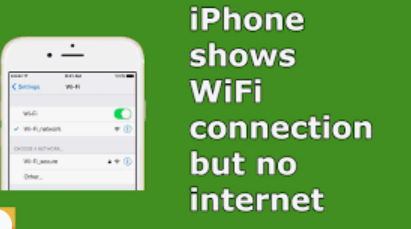
iPhone connected to WiFi but no internet-how to fix?
iPhone users may at times come across a frustrating situation – iPhone connected to WiFi but no internet access could be made. This may happen to any model of iPhone, be it iPhone 7, iPhone 8, iPhone X, iPhone 11 or iPhone 12. In this article I have shown simple proven solutions to this problem of no internet access even when your iPhone is connected to WiFi network and the WiFi icon appears at the top of the screen indicating everything is ok.
If you see your iPhone connects to WiFi but no internet access can be made, first try to use your WiFi network on other devices to verify that your internet service is ok. If you can’t get online using your other devices then check with your internet provider or cable company if there is any service outage from their end.
In case there is no service outage or any issue with your internet provider then follow the simple solutions given below to fix the issue of iPhone connected to WiFi but no internet access is possible. After each step check if the internet access problem of your device is resolved before proceeding to the next solution.
You may also like to read: iPhone keeps disconnecting from WiFi -here’s how to fix the problem
iPhone connected to WiFi but no internet – steps to fix
1. Power cycle your router/modem
The most basic solution to fix the problem of no internet access while WiFi connected on your iPhone is to check your router or wireless modem which may have minor firmware problems that might prevent it from working correctly. Simple Power cycling of the router/modem will remove glitches on its system and refresh its operation which might resolve the issue.
To Power cycle your router/modem, press the power button on your router/modem to switch it off and then unplug the AC adapter from the power source. After waiting for at least 30 seconds plug back in and turn it on and wait until all lights are stable. If you see your iPhone connects to WiFi but no internet access is possible even after this, move to the next step.
2. Restart your iPhone
If turning your router or modem off and on didn’t do the trick, the next reliable fix is to restart your iPhone itself. Sometimes your device can develop minor software glitches that interfere with the WiFi connection, even when everything else appears to be working fine. Restarting your iPhone can refresh its system and clear any temporary bugs.
Here’s how to restart your iPhone:
- Press and hold the power button and either volume button until you see the slider appear on the screen.
- Drag the slider to turn your iPhone off completely.
- After your device turns off, wait about 30 seconds, then press and hold the power button again until the Apple logo appears.
Once your iPhone powers back up, check if it connects to the WiFi and gets internet access. If you’re still facing the same issue, go ahead and try the next solution.
3.Turn off and restart WiFi on your iPhone
When you see your iPhone WiFi connected but not working to connect the device to the internet one of the simplest solutions is to turn ‘off’ the WiFi and turn it back ‘on’. To do this,
Go to Settings > Tap WiFi > Toggle the WiFi switch to turn it ‘off’ > Wait for 10 seconds > Tap the switch again to turn it ‘on’;
4. Enable and disable Airplane Mode
The Airplane Mode feature disables all the network connectivity of your device like wireless transmission, Wi-Fi and Bluetooth. Sometimes turning ‘on’ and ‘off’ this mode can resolve some WiFi and Internet issues. To turn on Airplane mode,
Go to Settings > Toggle the Airplane Mode to enable it > Wait for about 30 seconds and tap it again to disable the mode. Now check if the internet access issue is resolved;
5. Forget your WiFi network
Resetting the WiFi network of the device after forgetting it has been found to resolve internet issues for many users. But before you go to remove or forget the connected WiFi network from your iPhone keep your WiFi password ready which will be needed to reconnect the network again.
To forget the connected network,
Go to Settings > Tap WiFi > Tap ‘i’ icon next to the connected network name > Tap on ‘Forget This Network’ > Tap ‘Forget’ to confirm;
Finally to rejoin the network, go back to Settings > tap WiFi > Select the network from the list > Enter the password > Reconnect it.
6. Reset All Network Settings
Apart from WiFi network, invalid or incorrect settings of networks can also cause the issue of ‘iPhone connected to WiFi but no internet’. Therefore, resetting all network settings can be another useful solution for this issue in many cases. To do this,
Go to Settings > Tap ‘General’ > Scroll down and select ‘Reset’ > Tap ‘Reset Network Settings’ > Enter pass-code when prompted > Tap to confirm network settings reset;
7. Turn off WiFi Assist
WiFi Assist is a feature which helps to always have stable internet connection on your device. Whenever your iPhone encounters weak or poor WiFi network, ‘WiFi Assist’ will automatically switch to Cellular or Mobile data. Sometimes, this feature may interfere with proper functioning of WiFi and could be the cause of poor WiFi connection and internet issues. Therefore, turn this feature ‘on’ and ‘off’ and see if the issue of ‘iPhone WiFi connected but not working’ is resolved. To do this,
Go to Settings > Tap Cellular or Mobile Data > Tap WiFi Assist> Toggle the feature ‘on’ and turn it back ‘off’;
8. Enable or disable Location Services
In some countries your iPhone may need location access for proper working of WiFi networks. Many users have found that when their iPhone not connecting to WiFi or internet, turning off location services yielded positive results and resolved the issue. Hence make sure that the appropriate location setting is enabled for WiFi.
If ‘Location Services’ is disabled turn it ‘on’. However, if it is already enabled turn it off and see if there is any difference in working of the WiFi network. To enable or disable, ‘location services’,
Go to Settings > Tap ‘Privacy’ > Tap on ‘Location Services’ and enable it > tap on ‘System Services’ > Enable Networking & Wireless.
If it’s already enabled, turn it off to see the difference;
9. Disable VPN
On rare occasion VPN may also disrupt WiFi connectivity on your iPhone. Whether you are using built-in VPN or using an app, open the VPN app and turn it off and see the result. To do this,
Go to Settings > Tap General > Scroll down and select VPN > Turn it off;
10. Factory reset your iPhone
After trying all the above solutions if you still see, even when your iPhone connected to WiFi but no internet access could be made, try to reset your iPhone to factory default as a last option. Restoring the default factory configurations might help in fixing the problems that may be affecting the network systems causing internet access issue on your iPhone. Since resetting your iPhone to factory settings would erase all your stored data in the device, don’t forget to backup your important files via iTunes or iCloud, beforehand.
To reset your iPhone to factory default,
Go to Settings > Tap General > Tap Reset > Tap Remove All Content and Settings > Enter pass code when asked for > Tap Erase iPhone to confirm this action.
Now follow the onscreen prompts to reset your iPhone. Your device will restart automatically once the process is completed. When the reset is complete, your iPhone will be back to default factory settings. You can then either set it up as a new iPhone or restore from the backup.
Occasionally, persistent connectivity issues may be caused by conflicts with your WiFi network’s name (also known as the SSID). For example, if you’ve recently changed routers, combined devices from different brands like TP-Link or Netgear, or if your network shares a similar name with neighboring networks, your iPhone could have trouble establishing a stable connection.
In such cases, renaming your WiFi network can help clear up confusion between saved networks and allow your device to reconnect afresh. To do this, log in to your router’s admin panel (refer to the manual or try accessing it through a browser address like 192.168.0.1 or 192.168.1.1), and look for the option to change your WiFi name (SSID). After saving the changes, be sure to reconnect your iPhone to the renamed network by entering the updated information in your WiFi settings.
This simple adjustment can sometimes eliminate stubborn connection problems caused by network conflicts or caching issues.
Frequently asked questions
Now that I have explained the steps to fix when iPhone connects to WiFi but no internet access could be made, let me also address some of the queries often made by the iPhone users in this connection.
Why is my iPhone connected to WiFi but no internet?
If you see your iPhone connected to WiFi but no internet, resetting all network settings can be a useful solution for this issue in many cases. To do this,
Go to Settings > Tap General > Scroll down and select ‘Reset’ > Tap ‘Reset Network Settings’ > Enter pass-code when prompted > Tap to confirm network settings reset;
Why does my phone say connected to WiFi but no internet?
If your phone cannot access internet even after having an active WiFi network simply disconnect and reconnect the WiFi
to fix the issue. To do this,
Go to Settings > Tap WiFi > Toggle the WiFi switch to turn it ‘off’ > Wait for 10 seconds > Tap the switch again to turn it ‘on’;
Why does my phone show it’s connected to WiFi, but apps say “no internet connection”?
There are two steps to getting online with WiFi: first, your iPhone connects to the local network (your WiFi router or modem), and only then does it attempt to reach the wider internet. Sometimes, your phone will latch onto a WiFi network just fine, but still be unable to surf the web, use apps, or stream Netflix.
A few common causes for this “connected but no internet” issue include:
- Problems with your WiFi router or modem (incorrect network settings, temporary glitches, ISP issues)
- Outages or maintenance work from your Internet Service Provider (ISP) like Comcast, Spectrum, or Airtel
- Network settings errors on your iPhone (think: old WiFi passwords, misconfigured network settings, or interfering VPNs)
- Restrictions or outages from your cellular carrier if using a hotspot
How to tell where the problem lies:
- If multiple devices (laptops, tablets, or a friend’s phone) also can’t get online while connected to the same WiFi, chances are it’s your router or ISP acting up. Try restarting your router, and if the problem persists, reach out to your ISP for support.
- If it’s just your iPhone having problems but other devices work, resetting your network settings and checking for VPN or firewall conflicts on your phone often helps.
In summary: being “connected” to WiFi really just means the phone and router are talking. For actual internet access, the router still needs to connect out to your ISP’s servers.
Why do other devices connect to WiFi but my iPhone still can’t access the internet?
It can be frustrating when your Android phone or Windows desktop connects to WiFi and works perfectly, yet your iPhone remains stubbornly offline, even displaying a blue checkmark to indicate it’s connected. So, what gives?
The issue often boils down to how different devices handle WiFi authentication or network settings. Here are a few reasons why this might happen:
- Different network settings: Your Android and Windows devices might automatically handle certain network configurations (like DNS or IP assignment), while your iPhone could require a specific network setup.
- Software glitches: Sometimes, your iPhone’s network settings cache might get corrupted, causing connection issues unique to that device.
- Temporary glitches in the WiFi icon: You might notice the WiFi icon quickly flashing or disappearing in the status bar. This often indicates momentary connection attempts, but if the icon vanishes for good, your device is not fully connected.
- Compatibility quirks: Not all devices interpret the same WiFi network the same way. Some networks, especially those from older DSL modems or with specific security protocols, play nicely with Android and Windows but can pose problems for iPhones.
- No internet access over WiFi: Even if the network shows as connected on your iPhone, there could be a miscommunication between your phone and the router, resulting in no internet access.
If you notice that this “no internet” situation follows your iPhone to other WiFi networks too, it’s a strong hint the issue is with your iPhone settings rather than the network itself.
Wi-Fi not working after a software update? Here’s what to try
If your iPhone suddenly refuses to show available WiFi networks or the WiFi menu freezes after installing an iOS update, you’re certainly not alone. Such glitches can occur following major system updates, and the experience can be frustrating to say the least.
To troubleshoot WiFi issues that appear right after an update:
- Restart your iPhone: A simple restart can often clear out temporary glitches that updates sometimes trigger. Simply power your phone off and turn it back on before checking the WiFi menu again.
- Toggle Airplane Mode: Sometimes, toggling Airplane Mode on and off can refresh your wireless connections and prompt WiFi networks to reappear.
- Reset network settings (with caution): While this is a common fix, it may erase your saved WiFi networks. If you rely on many stored networks for work or travel, consider this carefully before proceeding. Alternatively, note down important network credentials before resetting.
- Update apps: Incompatibility between certain apps (such as Lowe’s or Home Depot) and new system software can sometimes cause freezing or connectivity hiccups. Make sure all your apps are up to date via the App Store.
- Clear problematic apps: If specific apps continually freeze or crash post-update, try deleting and reinstalling them. This can resolve app-specific bugs that interfere with network functions.
- Seek support if menus freeze: If crucial menus like WiFi or Cellular remain inaccessible or freeze, and resets don’t help, it may indicate a deeper software bug. Contacting Apple Support or visiting a trusted repair provider can help rule out hardware problems.
Remember that these issues are rarely permanent and are typically caused by minor software bugs that often resolve with subsequent updates. If you’ve tried all basic troubleshooting and the problem lingers—especially if your device’s WiFi, Bluetooth, or GPS remains non-functional—consider scheduling a professional inspection to ensure there’s no underlying hardware issue.
You may also like to read this related post: Why is my iPhone not connecting to WiFi
Common Symptoms and Solutions for Unstable WiFi Connections
It’s not uncommon for users to encounter WiFi issues where the connection appears active—indicated by a checkmark or a fleeting icon—yet apps and browsers report “no internet connection.” If this situation sounds familiar, rest assured you’re not alone. Let’s look at some typical symptoms and what you can do about them.
Symptoms of Intermittent or Unstable WiFi:
- The WiFi icon might occasionally appear in the status bar, only to vanish seconds later.
- Devices report being “connected,” yet apps cannot access the internet.
- Other devices—such as a friend’s Windows PC or an Android phone—might enjoy stable internet connectivity over the same network.
- Brief flashes of connectivity, sometimes when reconnecting, but never a dependable, lasting connection.
- The WiFi behaves the same way on different networks, suggesting it’s a device- or settings-specific issue.
Troubleshooting Steps to Try:
- Restart Devices and Networking Equipment:
Power cycle your phone, WiFi router, and modem. Unplug the router for 30 seconds before reconnecting. - Toggle Airplane Mode:
Switch Airplane Mode on and off to reset wireless connections. - Forget and Reconnect to WiFi Network:
Remove the problematic WiFi network from your device’s settings, then reconnect and re-enter the password. - Toggle WiFi Assist (or Similar Features):
Sometimes, automatic switching between WiFi and cellular data can cause interruptions. Try toggling this setting on and off. - Turn Location Services On or Off for WiFi:
On some devices, location permissions impact WiFi stability. Adjust this setting and observe any changes in connection quality. - Check for VPN Interference:
If you use a VPN app or built-in VPN, temporarily disable it to see if connectivity improves. - Reset Network Settings:
Restore your device’s network settings to factory defaults. Be sure to backup important data beforehand. - Factory Reset as a Last Resort:
If all else fails and your other devices are unaffected, consider performing a factory reset after backing up your data.
Other Considerations:
- If all devices are impacted, your router or modem may require a firmware update or configuration change. Refer to documentation or seek help from your Internet Service Provider (ISP).
- Try changing the WiFi network name or password, or adjusting security settings (e.g., switching between WPA2 and WPA3).
- If your device works well on other networks, but not on a particular WiFi, hardware incompatibility or settings on your router may be at fault.
Experiencing issues on multiple devices often points to a network problem, while problems isolated to one device usually indicate a settings conflict, software issue, or hardware limitation.
If you’ve exhausted these troubleshooting steps and your connection remains unstable, you may need to contact your ISP for further guidance or consider seeking support from your device’s manufacturer.
Differences between Wi-Fi and Cellular Data Connections
iPhone users often wonder about the distinction between accessing the internet via Wi-Fi and via cellular data. While both methods enable you to get online, how they operate—and whom you need to contact when things go awry—are a bit different.
When you connect over Wi-Fi, your iPhone uses a local wireless network provided by your Internet Service Provider (ISP). This is typically through a modem or router set up in your home, office, or a public location like a café. If you’re experiencing internet issues while on Wi-Fi:
- The root of the problem is often with your router, modem, or ISP.
- Troubleshooting might involve restarting your router, checking cables, or even reaching out to your ISP (such as AT&T, Xfinity, Virgin Media, or Airtel, depending on your region).
On the other hand, connecting via cellular data uses your mobile carrier’s network—for example, Vodafone, T-Mobile, Jio, or Verizon—to provide internet access directly to your phone, without relying on Wi-Fi networks.
- If there’s an issue with your cellular connection, it’s generally isolated to either your phone’s settings or your mobile service provider.
- Contact your carrier if you find you can’t access the internet when Wi-Fi is off.
Key Takeaway:
- For Wi-Fi problems, check your local network setup and contact your ISP if necessary.
- For cellular data issues, it’s your mobile carrier who can assist.
Understanding this difference makes it easier to know where to turn when your iPhone connects, but you can’t access the web.
Conclusion
In most cases it has been found that the fixes suggested in the post are able to resolve the issue – iPhone connected to WiFi but no internet access can be made.
Nevertheless, despite trying all the fixes suggested above, if you still find that your iPhone connects to WiFi but no internet access is possible, the problem may be something to do with the hardware itself and can’t be solved just by restarting or resetting your iPhone. In that case you need to reach out to Apple’s Support Team who may be able to help you to get back the internet access on your iPhone.
If you know about any other possible solution that worked for you to fix the issue when you see that your iPhone WiFi connected but not working to connect the device to the internet, please share the same in the comment section below for our readers.
You may also like to read: My Internet keeps disconnecting every few minutes
