Future of artificial intelligence.
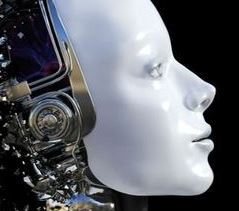
The basic Artificial Intelligence facts everyone needs to know.
Artificial Intelligence (AI) is one of the most popular subjects widely discussed today. I have in this article discussed the artificial intelligence facts that everybody needs to know including the future of artificial intelligence, as AI technology continues to evolve.
Since the invention of the computer, its capability to perform various tasks has been growing exponentially. Artificial Intelligence is a branch of Computer Science designed to create intelligent machines that behave like humans. Thus, the development of AI started with the intention of creating similar intelligence in machines that we find in human beings. Although AI has come so far in recent years, it is still missing the essential pieces of human behavior such as emotional behavior, identifying objects and handling them smoothly, etc.
Here are some important facts about AI that should give a better insight into this technology.
The Artificial Intelligence facts everyone needs to know
What is artificial intelligence?
The best definition of artificial intelligence is – it is a sub-field of computer science that makes machines imitate human intelligence i.e. to perform tasks normally requiring intelligence such as visual perception, speech recognition, decision-making, translation between languages, and more.
Artificial intelligence (AI) is the science and engineering of creating computer systems that can perform tasks typically requiring human intelligence. These tasks include learning from experience, reasoning, problem solving, perception, and making decisions. AI systems are designed to simulate the way the human brain works, allowing them to interpret information, adapt to new situations, and make choices that help achieve specific goals. The field of artificial intelligence AI is driven by ongoing AI research, which aims to develop methods and software that enable machines to perceive their environment and act intelligently. By mimicking human intelligence, AI can perform tasks ranging from recognizing speech and images to making complex decisions, revolutionizing the way we interact with technology and solve real-world problems.
How AI Learns
AI systems learn by processing large volumes of data through sophisticated algorithms that help them identify patterns, draw connections, and refine their abilities. The learning process typically starts with data collection, where information is gathered from various sources such as databases, sensors, or human interaction. Next, data preprocessing cleans and organizes the information, making it suitable for analysis. During model training, the AI learns from this data, adjusting its internal parameters to improve accuracy. Once trained, the model is deployed to perform tasks autonomously, such as recognizing images, translating languages, or making recommendations. As AI learns from new data and feedback, it continues to enhance its performance, becoming more effective at handling complex tasks and adapting to changing environments.
Industry Adoption
The adoption of artificial intelligence is rapidly transforming industries around the world. In manufacturing, AI technologies are streamlining production lines, predicting equipment failures, and improving quality control. Healthcare providers are leveraging AI to enhance diagnostics, personalize treatment plans, and optimize patient care. The finance sector uses AI-powered virtual assistants and predictive analytics to detect fraud, manage risk, and deliver better customer experience. Education is also embracing AI to create personalized learning paths and automate administrative tasks. As more companies implement AI into their business operations, the global AI market is experiencing significant growth, driven by the demand for smarter, more efficient solutions. The widespread adoption of AI is not only reshaping job markets and business models but also influencing everyday life, making it crucial for individuals and organizations to understand both the opportunities and challenges that come with AI adoption.
New Careers Emerging from AI Adoption
As artificial intelligence continues to reshape industries, it’s giving rise to a wave of new career opportunities—many of which didn’t even exist just a few years ago. According to projections from the U.S. Bureau of Labor Statistics, fields related to computer and information research are expected to see substantial growth, driven in large part by the increasing demand for talent capable of developing and maintaining AI technologies.
But the story doesn’t end with programmers and data scientists. The spread of AI is also fueling the need for roles that focus on skills machines simply can’t replicate. Soft skills—such as creativity, critical thinking, emotional intelligence, teamwork, and complex problem-solving—remain uniquely human strengths.
Here are examples of new and evolving roles becoming more prominent as AI adoption accelerates:
- Machine Learning Engineers & AI Researchers: Professionals who design, build, and refine AI models.
- Data Labelers & Annotation Specialists: Individuals who prepare and organize the data needed to train AI systems.
- AI Ethics Consultants: Experts ensuring that AI is designed and used responsibly, addressing issues such as bias, transparency, and fairness.
- Human-AI Interaction Designers (UX/UI): Creators of intuitive experiences that help people seamlessly interact with intelligent systems.
- AI Trainers: Individuals who use their expertise to “teach” AI systems how to recognize context or nuance in specialized areas.
- Talent Development & HR Specialists: Professionals who focus on fostering human-centric skills in the workforce, helping organizations adapt to AI-driven changes.
- Creative Directors & Strategists: Roles that leverage imagination and vision—qualities AI can’t easily imitate—to guide branding, storytelling, and innovation.
In short, AI is not only putting a spotlight on technical expertise but also elevating the importance of human abilities that machines struggle to match. As businesses integrate more intelligent systems into their operations, expect the job landscape to keep evolving—rewarding those who can blend human insight with technological know-how.
Getting Started with AI in Your Organization
For companies eager to begin their journey with artificial intelligence, a thoughtful and strategic approach is key. Here are some foundational steps to help integrate AI into your operations effectively:
- Build a Knowledge Base
Start by familiarizing yourself and your team with the basics of AI and how it’s being leveraged across your industry. Explore case studies, attend webinars, or look into resources provided by organizations such as the Association for the Advancement of Artificial Intelligence (AAAI) and MIT’s Computer Science and Artificial Intelligence Laboratory (CSAIL). - Pinpoint Opportunities and Challenges
Conduct an assessment to identify where AI could offer the most value within your business. Consider areas that involve repetitive processes, data-heavy tasks, or require rapid decision-making. Engage stakeholders from different departments to surface both bottlenecks and opportunities. - Consult with AI Specialists
Partnering with external consultants or industry experts can clarify the practical steps required for adoption. Whether through engaging with consultants from firms like Accenture or Deloitte, or by connecting with local university researchers, expert guidance can accelerate your efforts and help avoid common pitfalls. - Lay the Data Foundations
Assess the quantity, quality, and type of data your business currently has. Clean, well-organized data is the lifeblood of AI applications—without it, even the most advanced algorithms will fall short. This might mean updating your data management systems or investing in secure cloud storage solutions. - Experiment and Iterate
Begin by piloting AI solutions in controlled, low-risk areas. For example, automate a routine reporting process or implement an AI-powered customer support chatbot. Use the insights gained from these early initiatives to inform larger-scale projects down the road.
Encourage open conversations within your team around the benefits and limitations of AI, addressing any concerns about trust or bias as they arise. By fostering a collaborative and flexible culture, your organization can unlock the full potential of AI while preparing for the inevitable changes it will bring.
Career Outlook: AI-Driven Job Growth
What does the U.S. Bureau of Labor Statistics predict about the growth of AI-related job fields?
According to the U.S. Bureau of Labor Statistics, roles connected to computer and information research—including those directly involved with artificial intelligence—are projected to expand at a remarkable pace. In fact, job opportunities in this sector are expected to increase by approximately 19% over a decade, a rate much faster than the average for all occupations. This surge is fueled by the accelerating demand for skilled professionals who can advance and apply AI technologies across various industries.
With this strong growth on the horizon, those with expertise in AI and related fields will find a wealth of new opportunities, highlighting the importance of both technical skills and adaptability in the rapidly evolving landscape of technology careers.
How does Artificial Intelligence work?
Artificial Intelligence serves to simulate human intelligence through the power of computers using Machine Learning (ML) process i.e. the computer has to learn how to perform certain tasks normally requiring human intelligence.
Artificial intelligence works based on predictive algorithms i.e. an algorithm that predicts an outcome based on large amounts of historical data to which they are exposed. In the initial or learning phase, the algorithm maps a relationship between the input-output pairs of historical data passed on to it. The knowledge that is acquired from the relationship between the input-output pairs of this large volume of data passed on to it, is then used for application to future decision-making and predictions. Thus the process sidesteps the need to be programmed specifically for every single possible action.
Recent advancements in generative AI and advanced generative AI are driving the current AI boom by enabling machines to create and modify content, which raises new ethical and regulatory questions.
Relation between AI and Machine learning
One of the most important basic AI facts is, there are two ways that computers can acquire AI – Machine learning and Deep learning
Machine learning – Machine learning is the science of getting computers to learn how to think and act like humans do, without being explicitly programmed. It utilizes algorithms to analyze a large amount of data for decision-making and predictions;
Deep learning – Deep Learning is an artificial intelligence function that imitates the workings of the human brain’s neural networks to make sense of patterns for use in decision-making. Instead of organizing data to run through predefined equations, deep learning sets up basic parameters about the data and trains the computer to learn on its own by recognizing the patterns using many layers of processing. As computers and algorithms begin to process more data over a longer period, they continue to learn and adjust the algorithms similar to human learning.
Applications of Artificial Intelligence
The discussions on artificial intelligence facts, as an introduction to AI, would remain incomplete without giving examples of applications of artificial intelligence.
In recent times, artificial intelligence is the most ground-breaking technology which is slowly but surely overtaking the majority of basic operations in various industries. We have started learning the ways to communicate with machines and we are successful in directing machines to perform certain tasks using their intelligence. A few examples of artificial intelligence applications in recent times are self-driving cars, robotics, and image processing. Today businesses across the globe are leveraging artificial intelligence to optimize their process and reap higher revenues and profits.
I have listed here 5 major areas of application of artificial intelligence where AI technology plays a significant role.
1. Banking& financial analyses
The banking and finance industry heavily relies on applications of artificial intelligence in areas like customer service, fraud protection, investment, and more.
Many major banks across the world have implemented this emerging technology to prevent fraud and monitor potential threats to customers. A simple example of this is the automated emails that we receive from banks whenever we do an out-of-the-way transaction. Thus, AI always keeps a vigil on our account to prevent any possible fraud. AI is poised to play an even bigger role in the industry as major banks across the world are currently investing millions of dollars in the applications of artificial intelligence.
Many big players in the finance industry also use AI to analyze data which includes share price predictions, electronic trading, loan risk assessments, real estate valuations, etc. to find the best avenues to invest money so they can get the most returns with minimum risk.
2. Human Resource Management
In recent times artificial intelligence has gained wide popularity in human resources (HR) management. AI has the potential to radically change the workplace and HR management. Robotic Process Automation (RPA) frees Human Managers from more value-added tasks.
For the HR function, AI is most commonly used for talent acquisition. Traditional recruitment processes often lead to hiring candidates who are not a perfect, match for an organization. The application of artificial intelligence in HR not only helps to recruit the best candidates but also suggests the type of candidate that would fit well in a particular position according to skills and education. HR can also use AI for succession planning for higher-level positions. RPA is best suited for repetitive processes where rules are clearly defined like hiring, onboarding, payroll, exit management, etc.
3. Agriculture
The agricultural sector, which is one of the most important core sectors, is undergoing a technological revolution. The farmers are now applying the latest technology in their operations to gain its benefit to the fullest. One of the important facts about artificial intelligence is that this sector is now largely dependent on AI technology to perform various operations right from seeding and planting to harvesting crops. With the help of artificial intelligence, the farmers are now not only able to predict the most efficient harvest times, soil nutrients analysis, crop disease detection, etc. but also can look forward ahead of time and make trading price predictions. AI programs are also used to improve decision-making in agriculture and manage resources more efficiently.
4. Healthcare
According to one report, the healthcare Artificial Intelligence market is set to experience a compound annual growth rate of 40 percent, largely because AI has the potential to improve healthcare outcomes by 30 to 40 percent while simultaneously cutting the costs of treatment to half. Applications of artificial intelligence in healthcare seem poised to transform the way we collect, understand, and use data on patient health and historical health data. It would revolutionize medical diagnoses like detecting heart and lung ailments and treatment of cancer.
While AI may not be able to replace doctors and nurses, it can make them more effective, and efficient on the job as it takes the cognitive burden off our health providers. In scientific research, an AI program can quickly analyze large datasets to aid in discoveries and breakthroughs across various fields.
Here are five examples of artificial intelligence in healthcare that appear to have the most potential.
i. Assisted robotic surgery;
ii. Aid clinical judgment or diagnosis;
iii. Image analysis;
iv. Virtual nursing assistants;
You may also like to read: Data mining in healthcare
5. Transport system
Applications of Artificial Intelligence in transportation systems are also going to play a huge role. The transport sector faces the challenge of transporting huge numbers of passengers daily while providing safety, reliability, and improved rider experience. Currently, there are several ways in which artificial intelligence is being used by transit providers which give the drivers real-time information on traffic jams, accidents, weather conditions, estimated time of arrival, and many more aspects of transportation requiring attention. Applications of advanced artificial intelligence technology optimize traffic management applications, which in turn reduces wait times, energy use, and emissions by as much as 25 percent. AI in transportation is expected to provide safe, efficient, and reliable transportation while minimizing the impact on the environment and communities.
AI programs are also used to enhance cybersecurity by detecting and preventing cyber threats, making digital systems more secure.
Apart from the above areas of application of artificial intelligence, businesses across the globe is leveraging artificial intelligence in measuring energy consumption patterns and increasing energy efficiency, for quality control, maintenance through built-in calibration, etc. AI-powered tools are also helping students solve math problems and improve their understanding of mathematical concepts.
Modern AI chatbots rely on large language models, which are a key component of recent AI advancements and have significantly impacted the proliferation of AI technologies.
How Global Powers and Tech Giants Are Investing in AI
The race to lead in artificial intelligence is not just a trend among startups and small businesses but is a strategic priority for world powers and technology giants alike. Countries like China have made AI a cornerstone of their national strategy, pouring significant resources into research, infrastructure, and talent development to position themselves at the forefront of global innovation.
At the same time, major technology companies such as Google and Microsoft are allocating large portions of their resources and budgets to accelerate AI advancements. These organizations are integrating AI into everything from cloud computing platforms to everyday digital services, ensuring their offerings are more intelligent, efficient, and adaptable. Their investment is fueling the rapid pace of progress and competition, shaping the direction of AI’s influence across industries and around the world.
This global momentum highlights just how central artificial intelligence has become—not only as a tool for operational efficiency, but as a catalyst for economic and technological leadership in the years to come.
Common Misconceptions About Artificial Intelligence
While we are seeing artificial intelligence reshape industries and everyday life, several misconceptions about AI continue to circulate, leading to unnecessary confusion and apprehension. Let’s clear up some of the most persistent myths:
- AI is a completely new phenomenon
Many people believe artificial intelligence is a recent invention. However, the concept of AI dates back decades—the term itself was coined in 1955. Technologies like IBM’s Deep Blue chess computer and popular digital assistants such as Siri and Alexa are built on years of development. The current surge in AI’s visibility is primarily due to recent advancements in computational power and machine learning, bringing older principles into practical use. - AI will inevitably take over all jobs
There is a common fear that AI will render most humans unemployed. While it’s true that automation and intelligent machines will transform certain fields, history—and recent industry data—shows technology tends to shift the job landscape rather than eliminate it. For example, new roles in AI training, data analysis, and machine oversight are emerging even as repetitive tasks are automated in places like manufacturing and logistics. - AI is as intelligent and independent as humans
Another widespread misconception is that present-day AI can think, reason, and feel just like a person. In truth, most AI systems are “narrow AI”—specialized programs good at highly specific tasks such as language translation (think: Google Translate) or recommendation engines (like Netflix). We are still far from developing “general AI,” which would possess human-like consciousness or broad problem-solving skills. - AI is infallible and unbiased
Some people think AI makes perfect, impartial decisions. In reality, AI outcomes are only as unbiased as the data they are trained on, and biases in that data can—and do—affect results. For instance, facial recognition technologies have at times reflected social and cultural biases, leading to calls for more transparent AI development and ethical oversight.
It’s also a common misconception that, because AI systems rely strictly on logic and algorithms, there is little to no chance of mistakes. While algorithms can remove certain types of human error and are indeed used in safety and security contexts—such as facial recognition at airports or in smartphones—their effectiveness depends heavily on the quality of the data and the design of the system. If the data set carries historical biases, or if the algorithm isn’t rigorously tested, even the most advanced AI can make flawed or unfair decisions.
Understanding these limitations is critical as we integrate AI more deeply into daily life and sensitive domains. Responsible development and ongoing human oversight are essential to ensure that AI serves everyone fairly. - AI will rapidly surpass human control
Fears of runaway AI or “robot overlords” tend to be popularized in science fiction. In the real world, oversight, ethics, and regulatory frameworks are advancing alongside the technology. International organizations, governments, and tech firms are working together to ensure AI operates within human-defined boundaries and in service of the public good.
Dispelling these myths is crucial as we continue to adapt to an evolving technological landscape. Understanding what AI can and cannot do helps individuals and organizations approach its adoption with clarity and confidence.
While discussing the basic artificial intelligence facts to have a better insight into AI technology, we also need to know the advantages and disadvantages of AI.
Benefits of Artificial Intelligence
Here are the major benefits of artificial intelligence:
Improves efficiency
Artificial Intelligence of machines would improve overall efficiency and increase the amount of products or services a company can produce and deliver to its clients. It would also create new opportunities for revenue generation and cost savings.
Reduces costs
One of the major benefits of artificial intelligence for businesses is increased automation, which will considerably reduce operational costs. Machines with AI would perform tasks that would once have required intensive human labor. Hence, there will be economic consequences to the widespread adoption of machine learning and other AI technologies.
AI’s ability to tackle repetitive, time-consuming tasks—like data entry, scheduling, and basic customer queries—means employees are freed from menial work and can focus on higher-value activities. For example, in recruitment, AI can quickly screen hundreds of resumes, schedule interviews, and answer candidate questions, saving businesses countless hours. Studies indicate that automating these stages can reduce the time spent per candidate by more than half, streamlining the entire hiring process.
Frees up humans to do more creative work
Humans are not best served by doing tedious repetitive tasks which can be done by machines. This is where AI can be a true benefit for us. It would free up humans to apply their valuable time and talent to other areas of the business.
By delegating the repetitive chores to AI, people can focus on creativity, strategy, and innovation—areas where human judgment and insight are irreplaceable. This shift not only boosts job satisfaction but also enhances productivity across organizations. AI can respond to queries, manage workflows, and even provide real-time personalization in customer interactions, allowing human workers to nurture relationships and focus on solving complex problems.
Improves our lifestyle
More use of AI in our society would improve our lifestyle and create more efficient businesses. It can make marketing more targeted. Some of the routine tasks like answering emails, data entry, etc. Can be done by intelligent machines. Smart homes would be able to reduce energy usage and get better security. AI and machine learning can also help reduce carbon emissions by optimizing energy consumption and supporting climate change mitigation efforts. AI assistants are increasingly useful for setting reminders, answering questions, and controlling smart home devices, making everyday life more convenient. Additionally, digital assistants have seen widespread adoption in smartphones, cars, homes, and workplaces, simplifying daily tasks and improving user convenience.
Beyond individual convenience, AI brings broad economic benefits. For instance, global companies like UPS have implemented AI-powered chatbots to help customers track packages and estimate shipping costs, which is expected to save hundreds of millions of dollars annually. In banking, AI is projected to boost revenues and create new opportunities for employment, while in healthcare, virtual assistants and AI-driven workflow automation are estimated to add billions in annual value by reducing inefficiencies.
Ultimately, the future of AI promises substantial savings in both time and money, with the added bonus of a more engaging, creative, and efficient human workforce. As AI continues to evolve, the possibilities for improved productivity and better quality of life will only expand.
Helps to get better healthcare
One of the most important benefits of artificial intelligence is the increased integration of AI tools in everyday medical applications which helps us in getting better health care. It would improve the efficiency of treatments and avoid costs by minimizing the risk of the wrong diagnosis. AI can also reduce human error in complex medical procedures, improving patient safety.
Can take risks on behalf of humans
In various situations, Robots can be used instead of humans to avoid risks. For example, Robots can be programmed to explore Space in place of humans because the human body can not endure different situations. In Military forces, Robots can be programmed to defuse a bomb. This reduces possible errors and can save human lives. AI tech is also being used to enhance cybersecurity and prevent threats like hacking, ransomware, and viruses.
Enhances cybersecurity
Cybersecurity is a hot topic in the tech industry due to the rise in data breaches, malware, and hacking threats. AI is a transformative solution for addressing these critical issues by detecting and preventing cyber threats more effectively.
With the great power of AI comes great responsibility. As AI technology advances, it is essential to recognize the ethical obligations and accountability required to ensure AI benefits society responsibly.
Disadvantages of Artificial Intelligence
While AI is going to help us to be more efficient, live a safer and healthier life, and manage resources efficiently, there are also certain challenges and concerns about the AI-infused future. Though in my view, the benefits of AI will outweigh the concerns it causes, according to experts here are some major disadvantages that artificial intelligence may cause as it continues to evolve:
Cannot emulate human intelligence
Machines cannot replicate human intelligence which is a gift of nature. They do not have any emotions and moral values like humans. They perform the way they are programmed and cannot make any judgment of right or wrong. They cannot make decisions if they encounter a situation unfamiliar to them. In such situations, they either perform incorrectly or stop working.
No improvement with experience
Unlike humans, the artificial intelligence of machines does not get better with experience. It can lead to wear and tear with time. Machines are unable to alter their responses to changing environments. They may be able to store enormous amounts of data, but access and retrieval are not as effective as in the case of the human brain.
No creativity and imagination
Creativity and imagination are not the strong points of artificial intelligence. Robots can only do the work that they are programmed to do. They cannot act any differently outside of whatever algorithm or programming is stored in their internal circuits. But when it comes to a creative mind machines are no match for the power of thinking that the human brain has.
May cause unemployment
It is logical to fear that AI is going to disrupt and take away our jobs in the coming days. The policymakers, therefore, need to address this concern about possible rising unemployment due to more and more applications of AI technology. International Data Corporation (IDC) predicts that half of the structured and repeatable tasks will be automated in workplaces soon, due to the use of AI-infused software.
Certain jobs are at high risk of being displaced by AI and automation, especially those involving repetitive or routine tasks.
According to a McKinsey report, such repeatable job profiles could experience a decline from 40% to around 30% as a share of total employment by 2030.
The policymakers, therefore, will have to address this understandable concern of the declining share of employment in the job market. The companies will have to focus on the huge task of refreshing and skilling their people to work with AI. The individuals will have to adjust to this transition to new types of employment and update their skills to match a dynamically changing job market.
On a positive note, while many fear the disruption caused by AI, it’s important to remember that interacting with these new technologies may not be as daunting as it seems. Thanks to advances in natural language processing, AI systems are becoming increasingly intuitive—much like the computers and mobile devices we already use daily. Rather than requiring us to master entirely new technical skills, incorporating AI into our routines often builds on knowledge we already have. This means that, although reskilling and adaptation will be essential, the transition could be less disruptive and more accessible than we might expect.
Nonetheless, learning new soft skills and embracing lifelong learning will be key to thriving alongside AI in the workplace, ensuring that both individuals and organizations can navigate these changes smoothly.
Reduce privacy and independence of individuals
Since autonomous systems reduce or altogether eliminate the need for human involvement in carrying out certain tasks, AI may bring greater pressure on us to live according to what ‘the system’ wants us to do and what not to do. Individuals may have to sacrifice independence, privacy, and power over choice. We may lose the autonomy to decide for ourselves about varied ways of doing things. Many experts believe that with the advent of AI, decision-making on key aspects of life may have to be conceded to code-driven tools to stay competitive and get things done.
The importance of data privacy is growing as AI systems can compromise personal information, raising concerns about how user data is collected, stored, and used.
Need for regulation and oversight
As AI becomes more embedded in society, there is a growing need for regulation to ensure its responsible use. Ethical considerations and transparency in AI development are essential to address issues such as bias, fairness, and accountability. Responsible AI development should prioritize safety and human-centric practices to ensure that technological advancements benefit society as a whole.
Overcoming Trust and Bias Issues in AI Adoption
For teams looking to embrace AI, building a strong foundation of trust and mitigating bias is essential. One of the most effective ways to do this is by fostering a transparent workplace culture—where open dialogue about AI’s limitations, risks, and potential is encouraged. This means not shying away from tough conversations about what AI can and cannot do, as well as acknowledging and addressing concerns at every stage of the adoption process.
To bridge gaps in understanding and reduce bias, consider these steps:
- Promote collaboration: Bring together cross-functional teams—including technical experts, ethicists, decision-makers, and end-users—to weigh in on how AI tools are designed and used. Diverse perspectives help surface hidden biases and ensure broader oversight.
- Leverage unbiased, diverse data: Make data quality and diversity a priority. Regularly audit datasets for skewed or incomplete information, and refine algorithms to account for potential blind spots.
- Invest in education and training: Offer ongoing training to team members so that everyone is equipped to use AI tools wisely. Learning how AI models are built, and what safeguards exist, goes a long way toward demystifying the technology and easing anxieties.
- Embrace established frameworks: Refer to guidelines from organizations like the OECD and the European Union, which advocate for fairness, transparency, and accountability in AI. Such frameworks provide practical guardrails to help organizations uphold ethical standards.
By proactively addressing these areas, organizations can cultivate a collaborative, informed environment where AI technologies enhance—not hinder—trust, and reinforce a commitment to fair and responsible innovation.
Perspectives from Leading Scientists and Innovators
Prominent voices from the scientific and technology communities have expressed a range of perspectives on the promise and perils of artificial intelligence. While there is widespread admiration for AI’s capabilities, experts have also highlighted profound risks and the need for ongoing vigilance.
Take Alan J. Perlis, for example—the pioneering computer scientist saw such wonder in the complexity of AI that it fueled his philosophical reflections on the very nature of intelligence and creation. For others, the excitement is tempered by more cautionary notes. The late Stephen Hawking famously warned that the rapid development of AI could lead to significant job displacement, predicting widespread unemployment if society is not prepared for the changes on the horizon. He, along with several economists and policymakers, stressed the importance of proactive adaptation to ensure broad-based prosperity.
Elon Musk, meanwhile, has become one of the more vocal advocates for strong oversight of AI development. He argues that without carefully defined controls and ethical guidelines, superintelligent AI systems could evolve in ways that are ultimately harmful to humanity. Musk cautions that prioritizing safety and human control is essential to prevent unintended consequences as AI continues to advance at a breakneck pace.
Similarly, Neil Jacobstein, an AI specialist associated with NASA, emphasizes that humanity must rise to the challenge by nurturing our own intellectual capacities. He urges a dual focus—harnessing AI’s enormous potential while also ensuring we remain competitive and adaptable in a world shaped ever more deeply by intelligent machines.
These varied perspectives underscore that while AI holds tremendous promise, its future will rely on thoughtful leadership, open dialogue, and careful planning—so society can balance innovation with ethics, opportunity with responsibility.
Future of artificial intelligence
As applications of artificial intelligence become increasingly indispensable in our society it is going to change the way we work and live. It is clear from the examples of artificial intelligence – from facial recognition to language translators, SIRI to self-driving cars, healthcare diagnosis to stock market analysis, chat-bots (a computer program that conducts conversations with human users) to image recognition that AI is progressing faster than ever.
As voice and facial recognition continue to develop, machine learning algorithms are increasingly becoming a lot more capable. Deep neural networks now give AI the capability to learn how to move from doing tasks to solving problems without needing any instructions.
AI, Machine Learning (ML), and Robotics are progressively automating our daily tasks. The examples include – companies using AI in HR and People management, healthcare providers using AI to provide better healthcare services, maps, and ride-sharing apps using AI in route planning and pricing, online retailers using AI to understand buyers’ preferences and buying habits, and many more.
Whether we realize it or not, much of what we see, buy, and even consider purchasing is subtly influenced by artificial intelligence. Researchers have created sophisticated programs that analyze our online presence—what we browse, like, and share—to deduce our shopping preferences. This means the recommendations we receive on platforms like Amazon, Netflix, or Spotify, and even the ads that follow us around the web, are shaped by complex AI algorithms working quietly in the background. It’s remarkable, and perhaps a little unsettling, to consider just how much of our daily decision-making is being guided by these invisible machine-driven processes.
Interestingly, within sectors such as education, healthcare, and the public sector, AI has created more jobs than it has eliminated. This positive impact demonstrates that while automation is transforming traditional roles, it’s also fostering new opportunities and reshaping the workforce in beneficial ways.
From the above trending AI facts, it is not hard to visualize the future of artificial intelligence. It is clear from the facts about AI that artificial intelligence apps are going to play an increasingly larger role in our day-to-day lives as the future unfolds.
Future progress of AI technology can be easily envisaged from the fact that venture capital funding of AI companies is rising significantly globally which reached a record $9.3 billion in 2018. This surge in investment demonstrates a strong belief in AI’s transformative potential, not only among startups but also across established industries. In fact, nearly 51% of small and medium enterprises now see AI as pivotal to their future, actively directing resources toward its research and development.
Major technology leaders like Google and Microsoft are dedicating substantial portions of their budgets to infuse AI capabilities into their platforms and services, pushing the boundaries of what’s possible. On a global scale, countries such as China are heavily investing in AI, aiming to leverage these advancements for both economic growth and technological leadership.
These trends collectively highlight a worldwide commitment to advancing AI, setting the stage for rapid innovation and integration into everyday life.
Scientists have created an Artificial Intelligence (AI) based system that directly translates thoughts into intelligible and recognizable speech that may help people who cannot speak, regain their ability to communicate.
Future possibilities of AI
Here are some examples of artificial intelligence future possibilities as it continues to evolve:
1. Would create fully functional Robots
As robotic technology advances with the incorporation of AI, robots will be used in a variety of ways. They could be made to take up hazardous jobs and can be employed to do work considered undesirable for humans;
2. Would create efficient virtual assistants
In the coming days, AI-driven virtual assistants will anticipate your needs and provide you with various personalized services tailored to your needs without waiting for external instructions;
3. Would enable better healthcare services
Applications of artificial intelligence in healthcare seem poised to transform the way we collect, understand, and use historical data on patients’ health. This is going to revolutionize medical diagnosis, treatment, and research.
By monitoring someone’s brain activity, the technology developed by researchers from Columbia University can reconstruct the words a person hears with unprecedented clarity. The breakthrough, which harnesses the power of speech synthesizers and AI, could lead to new ways for computers to communicate directly with the brain. It also lays the foundation for helping people who cannot speak, such as those recovering from a stroke, regain their ability to communicate with the outside world.
While AI may not be able to replace doctors and nurses, it can make them more effective and efficient on the job as it takes the cognitive burden off our health providers;
4. Would provide Robotic Care service to children and elderly
AI-driven virtual assistants and functional robots would provide personal care to the children and elderly needing supervised care service, at a level nearing human efficiency.
Since the virtual assistants would be capable of performing important functions to keep the older adults healthy and safe at home, the elders would be able to continue to stay at home and avoid moving to an assisted living facility;
You may also like to read this post: Robotics Control System
5. Would create virtual models for advertising
The application of artificial intelligence in advertising seems poised to transform the way apparel companies use fashion models to showcase their products. AI technology could find use in creating virtual models for advertising and displaying apparel. When widely adopted, it could reduce the need for brands and online stores to invest in photo shoots to showcase their products;
6. Would create a complete, end-to-end customer service
Experts project that by the next 2/3 years, more than 85% of all customer interactions will be handled without the need for a human agent. A virtual assistant would answer your customer questions directly on the front end, and provide your human agents with the information and resources that they need on the back end;
7. Would be able to make important Atmospheric predictions
We know that lightning is one of the most unpredictable phenomena in nature which regularly kills people and animals and sets fire to homes and forests. The researchers are working on a method that uses a machine learning algorithm that has been trained (using data collected over ten years) to recognize conditions that lead to lightning. The machine learning model would be able to predict up to 30 minutes in advance when lightning will strike at any place within a 30 km radius around the observation point;
8. Would transform the manufacturing sector
AI is set to revolutionize the manufacturing sector by automating processes, predicting equipment failures, and optimizing maintenance schedules. This will help manufacturers reduce downtime, improve efficiency, and lower operational costs.
Robots That Heal Themselves
One of the most fascinating advancements in robotics revolves around the concept of self-healing robots—yes, machines capable of repairing themselves! Until recently, the general expectation was that, like any other piece of equipment, robots would eventually wear down and need human intervention for repairs. However, new developments are rewriting this assumption.
Researchers are now exploring ways to design robots using innovative, flexible materials that allow them to recover from specific types of damage. For example, scientists at institutes like the Vrije Universiteit Brussel (VUB) have developed synthetic materials that can “heal” after a cut or puncture. If a robot’s soft limb gets damaged during operation, the material can physically repair itself—restoring the robot’s original functionality within hours.
This breakthrough not only increases the lifespan of robots but also reduces downtime and maintenance costs, paving the way for more resilient machines in environments where human repairs are difficult or unsafe. As these self-healing technologies continue to mature, we may soon see robots that not only adapt to their tasks but also actively recover from wear and tear—making them even more reliable partners in our day-to-day lives.
After going through the above discussion on artificial intelligence facts it is easy to predict that Artificial Intelligence is going to play an increasingly significant role in our daily lives as the future unfolds.
Interesting facts about Generative AI
Before I conclude let me mention a few of the many interesting facts about artificial intelligence:
1. AI has been around for decades;
2. AI can be used to diagnose diseases;
3. AI can be used for natural language processing;
4. AI can be used for facial recognition;
5. AI can create art;
6. AI is being used to develop self-driving cars;
7. AI can help predict natural disasters;
Frequently asked questions
Now that I have discussed the major AI facts, let me also address some of the queries often made relating to AI.
What is unique about artificial intelligence?
The unique thing about artificial intelligence is that it achieves inconceivable accuracy through deep neural networks.
What are the benefits of artificial intelligence?
The major advantages of Artificial Intelligence are,
1. Improves efficiency
2. Reduces costs
3. Frees up humans to do more creative work
4. Can take risks on behalf of humans
5. Improves our lifestyle
6. Helps to get better health care
What is an interesting fact about Artificial Intelligence?
One of the most interesting facts about AI is that as per scientific prediction, AI is expected to surpass human intelligence within the next 20/25 years
Conclusion
From the above discussion on artificial intelligence facts, as an introduction to AI, it should not be difficult to understand that Machine Learning is the practical face of AI. It’s about identifying sources of data and then creating systems that analyze that data and make decisions based on it. Artificial Intelligence makes it possible for machines to learn from experience, adjust to new inputs, and perform human-like tasks.
Behind the scenes, data scientists play a crucial role in this process. They create sophisticated algorithms and use predictive analysis to anticipate how machines will behave in different scenarios. By installing sets of instructions—essentially, teaching machines step-by-step how to solve specific problems—data scientists enable AI systems to perform designated tasks with increasing efficiency and accuracy.
This blend of learning from vast data and following carefully crafted algorithms is what gives AI its remarkable ability to mimic, and sometimes even surpass, human cognitive functions like reasoning, learning, and problem-solving.
It would be evident from the AI facts discussed above that artificial intelligence aims to improve computer functions that are related to human knowledge, such as reasoning, learning, and problem-solving. This partnership of humans and AI offers many opportunities to unlock new possibilities. There is no better and more prominent display of this technology than what self-driving cars are doing with it currently. Just a few years back, using a fully automatic car was a dream. Now automobile companies have made so much progress that we already have a fleet of semi-automatic cars on the road using artificial intelligence technology.
By 2027, the automotive industry is expected to experience a major transformation as AI-powered vehicles become increasingly mainstream. While we might not be cruising around in cars as advanced as “Optimus Prime” from the Transformers movies, the reality of reaching your destination without worrying about traffic or driver fatigue is closer than ever. AI technology is at the core of this shift, handling everything from navigation to safety features.
Leading tech innovators like Nvidia have already introduced AI assistants capable of handling much of the driving process. Although fully autonomous vehicles are still being perfected and aren’t yet a common sight everywhere, it’s clear that this futuristic mode of travel is well on its way to becoming a regular part of our lives. The convenience and safety promised by these intelligent systems underscore how artificial intelligence is not just reshaping our roads, but also redefining our daily experiences.
However, having said that, while the future of artificial intelligence discussed above should continue to advance and improve the quality of life across multiple industry settings, it cannot replace humans in situations that require creative and flexible thinking.
One common misconception is that AI will make people obsolete. In reality, AI is a tool designed to help us do our jobs better—not to take our jobs away. While automation may reshape how certain tasks are performed, very few jobs will vanish entirely. Instead, we see a transformation in the nature of work: new roles are emerging to support, develop, and manage AI systems, and there is a growing emphasis on the uniquely human skills that machines cannot replicate.
You may also like to read this post: Robotic Process Automation use cases

JamesSlawl
Dec 17. 2018
One way of defining #AI is the famous Turing test: if you can mistake a computer for a human, it s (artificially) intelligent.
Gabriel Cosmin
Apr 09. 2019
Interesting facts. I am very curious to see ai in the surgery room. Indeed the AI helped us to be more efficient and to grow our countries economy.
AI also is error-free as long as the humans are not intervening.
There are many AI facts and I think some of these can complement your list.
https://valuer.ai/blog/75-facts-about-artificial-intelligence/
Manoj Pandey
Mar 11. 2021
Artificial Intelligence is growing very fast, as everything is going to be dependent upon AI, as machine learning is going to be the another step on process for AI.
George Thomas
Dec 05. 2022
This article was very interesting to read. Artificial intelligence is discussed in depth in order to boost today’s business productivity. It was a pleasure to read your post!
radharenu ganguly
Dec 06. 2022
Hi Thomas,
Thanks for your comment. I am glad that you liked the post.